
East Asia offers a fascinating combination of ancient traditions and rapidly changing modern cities.
Few journeys demonstrate this contrast better than a trip from Tokyo to Seoul.
Tokyo is a city where centuries-old temples stand close to futuristic skyscrapers, electronic districts and some of the world's most influential fashion and entertainment scenes. Seoul offers a similarly striking contrast, with royal palaces, traditional hanok neighbourhoods and historic markets existing alongside K-pop, Korean fashion, contemporary art, technology and modern shopping districts.
The two cities are different, but that is what makes combining them so interesting.
In Tokyo, you can begin the morning at a historic Buddhist temple, spend the afternoon exploring anime and electronics districts, and finish the evening surrounded by the neon lights of Shibuya.
In Seoul, you can wear a hanbok while visiting a Joseon-era palace, walk through traditional Bukchon streets and later explore the modern shopping and entertainment districts of Myeongdong, Gangnam or Hongdae.
Japan's official tourism organization describes Tokyo as a city where tradition and innovation exist side by side. Its recommended Tokyo itinerary combines historic Asakusa and Sensoji with Tokyo Skytree, Akihabara and Shibuya.
Seoul's official tourism guide similarly describes the city as a place where tradition and current trends coexist, with Joseon palaces located close to modern cafés, shopping areas and K-culture experiences.
For Indian travellers looking for an international holiday that combines culture, food, shopping, history and modern entertainment, a Tokyo-to-Seoul itinerary can provide a particularly diverse experience.
Why Combine Tokyo and Seoul?
Tokyo and Seoul are two of Asia's most recognisable cities.
Both are major metropolitan destinations, but their cultural identities are distinct.
Tokyo provides a window into Japanese traditions, technology, pop culture, food and urban life.
Seoul brings together Korean royal heritage, contemporary design, K-pop, K-drama, beauty, fashion, food and nightlife.
The result is not simply a two-city holiday.
It is an opportunity to compare two neighbouring East Asian cultures while experiencing how each has developed its own modern identity.
The journey can also be expanded.
Travellers with more time can include Kyoto, Osaka, Nara or Hiroshima in Japan before continuing to Seoul. TrawelMart's current Japan–South Korea itinerary, for example, covers Tokyo, Hiroshima, Osaka and Seoul over 11 days and 10 nights.
Tokyo: Where Ancient Japan Meets the Future
Tokyo can feel overwhelming during your first visit.
Skyscrapers, railway stations, shopping districts, temples, restaurants and neighbourhoods seem to blend together into one enormous city.
But the best way to understand Tokyo is to look at its contrasts.
The city's official tourism guide describes Tokyo as both futuristic and historical, with modern districts such as Shibuya and Harajuku existing alongside traditional areas such as Asakusa.
That contrast should become the foundation of your itinerary.
Asakusa and Sensoji Temple
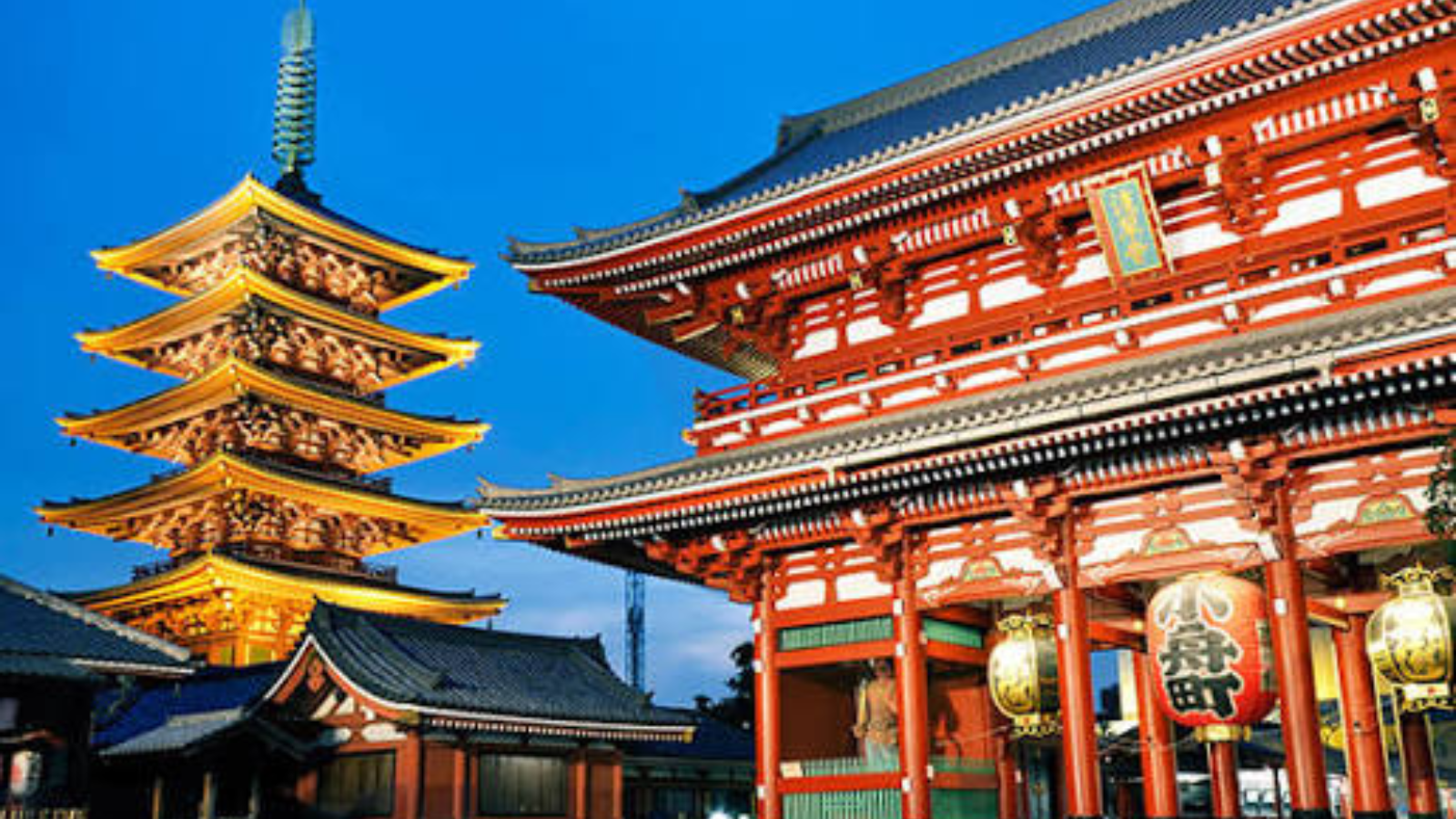
Begin your Tokyo heritage experience in Asakusa.
Sensoji is one of Tokyo's best-known temples and one of the city's oldest. The approach through Kaminarimon and Nakamise shopping street gives visitors a chance to experience traditional architecture, street food and souvenir shopping before reaching the temple complex.
Nakamise Street contains around 90 shops selling traditional products, snacks and souvenirs, making it an interesting place to experience the more traditional side of Tokyo.
The area also provides a striking view of Tokyo's modern skyline.
From around Asakusa, Tokyo Skytree rises dramatically above the city.
This creates the kind of contrast that defines Tokyo: a historic temple district with a futuristic tower in the same urban landscape.
Tokyo Skytree
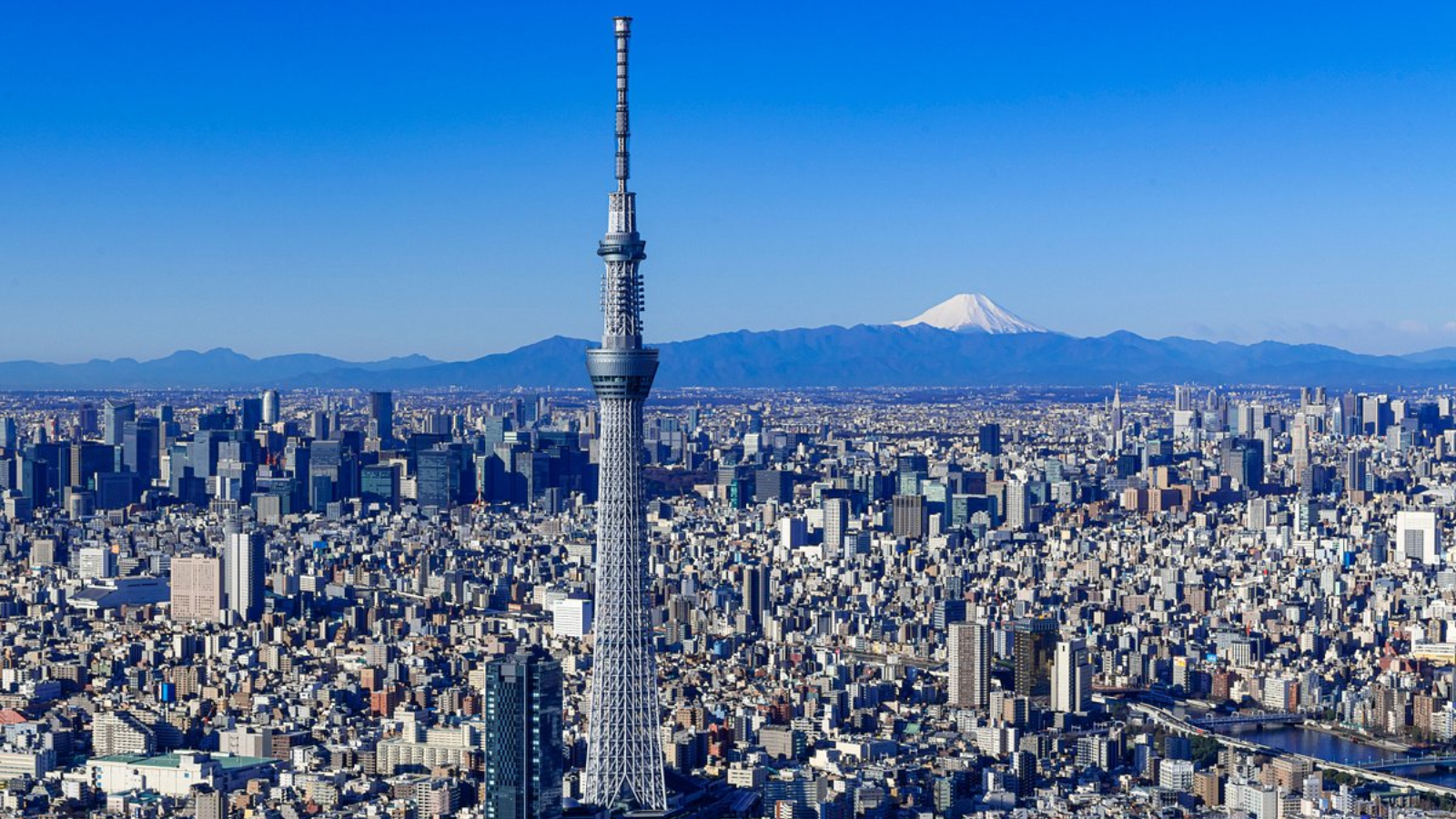
After exploring Asakusa, Tokyo Skytree provides a completely different perspective.
At 634 metres, it is one of Tokyo's most recognisable modern landmarks and offers panoramic views over the metropolitan area.
The surrounding area also contains shopping and entertainment options.
This combination makes it easy to connect heritage sightseeing with contemporary Tokyo in a single day.
Meiji Jingu: Tradition in the Middle of Modern Tokyo
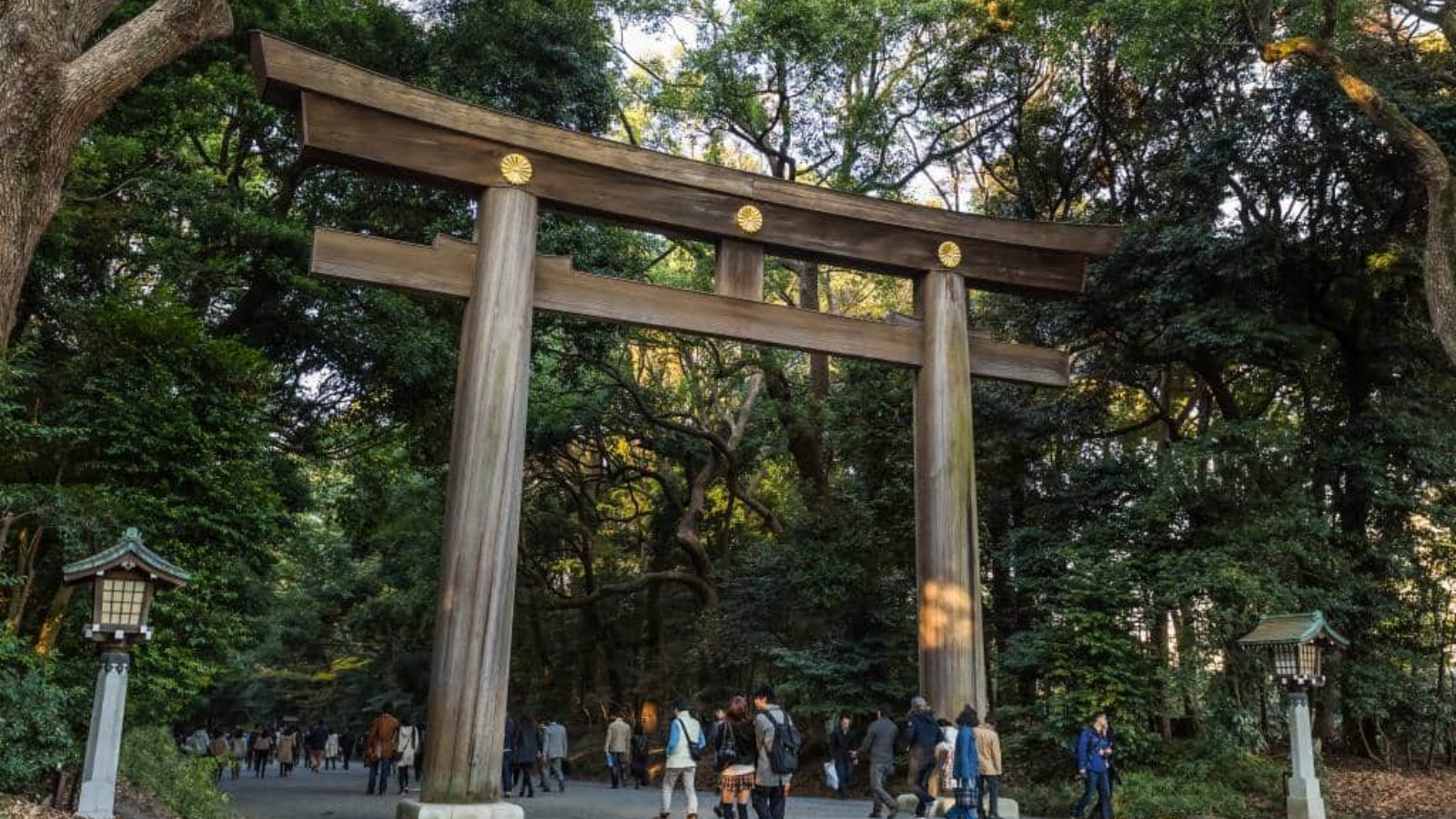
Another important cultural stop is Meiji Jingu.
Located close to Harajuku and Shibuya, the shrine is surrounded by a large forest that creates a remarkably quiet environment within the city.
The Japan National Tourism Organization notes that more than 100,000 trees were planted to create the forest surrounding the shrine.
The contrast is particularly interesting.
You can leave the busy streets of Harajuku, walk through the forest and arrive at a traditional Shinto shrine.
Meiji Jingu therefore provides more than a sightseeing stop.
It offers an introduction to Japanese religious traditions and rituals.
Visitors can observe traditional practices such as making offerings, praying and writing wishes on ema tablets.
Harajuku: Tokyo's Youth Culture
After visiting Meiji Jingu, walk towards Harajuku.
This area represents another side of Tokyo.
Harajuku is internationally associated with youth culture, street fashion, cafés and creative trends. The Japan National Tourism Organization describes it as a centre of youth culture and street fashion.
Takeshita Street is particularly well known for its shops and colourful youth-oriented atmosphere.
The contrast with Meiji Jingu nearby is one of the best examples of Tokyo's ability to place traditional and contemporary experiences almost next to each other.
Shibuya: The Modern Face of Tokyo
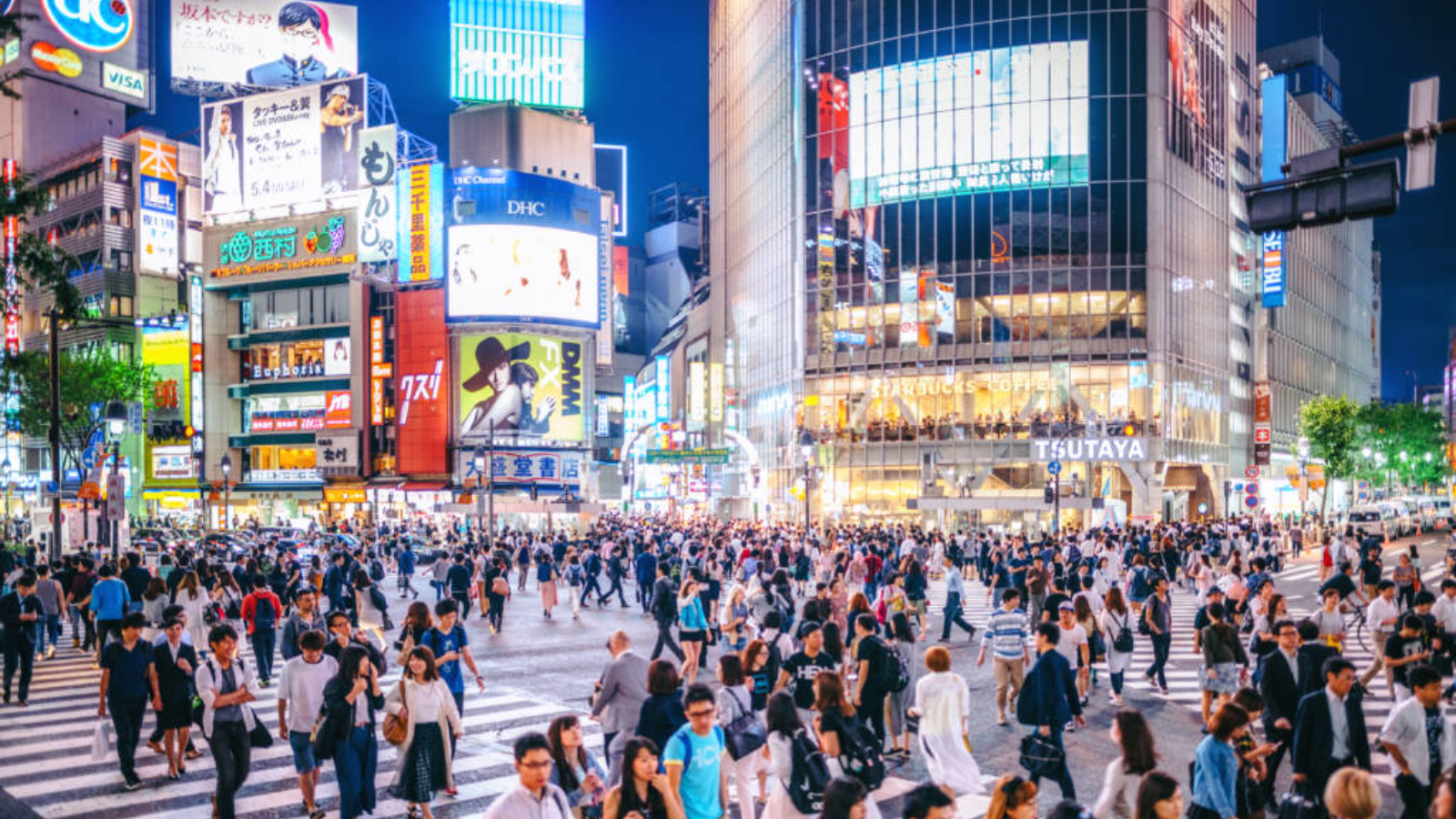
If Asakusa represents traditional Tokyo, Shibuya represents the city's modern energy.
Shibuya Crossing has become one of the most recognisable urban scenes in Japan.
The surrounding area is filled with fashion stores, restaurants, cafés, entertainment venues and nightlife.
Japan's official tourism guide describes Shibuya as a centre of cutting-edge culture and youth life, with shopping, entertainment and nightlife forming an important part of the district.
For first-time visitors, an evening in Shibuya can be particularly memorable.
Watch the crossing from an elevated viewpoint, explore the surrounding streets and experience Tokyo after dark.
Akihabara: Anime, Gaming and Technology
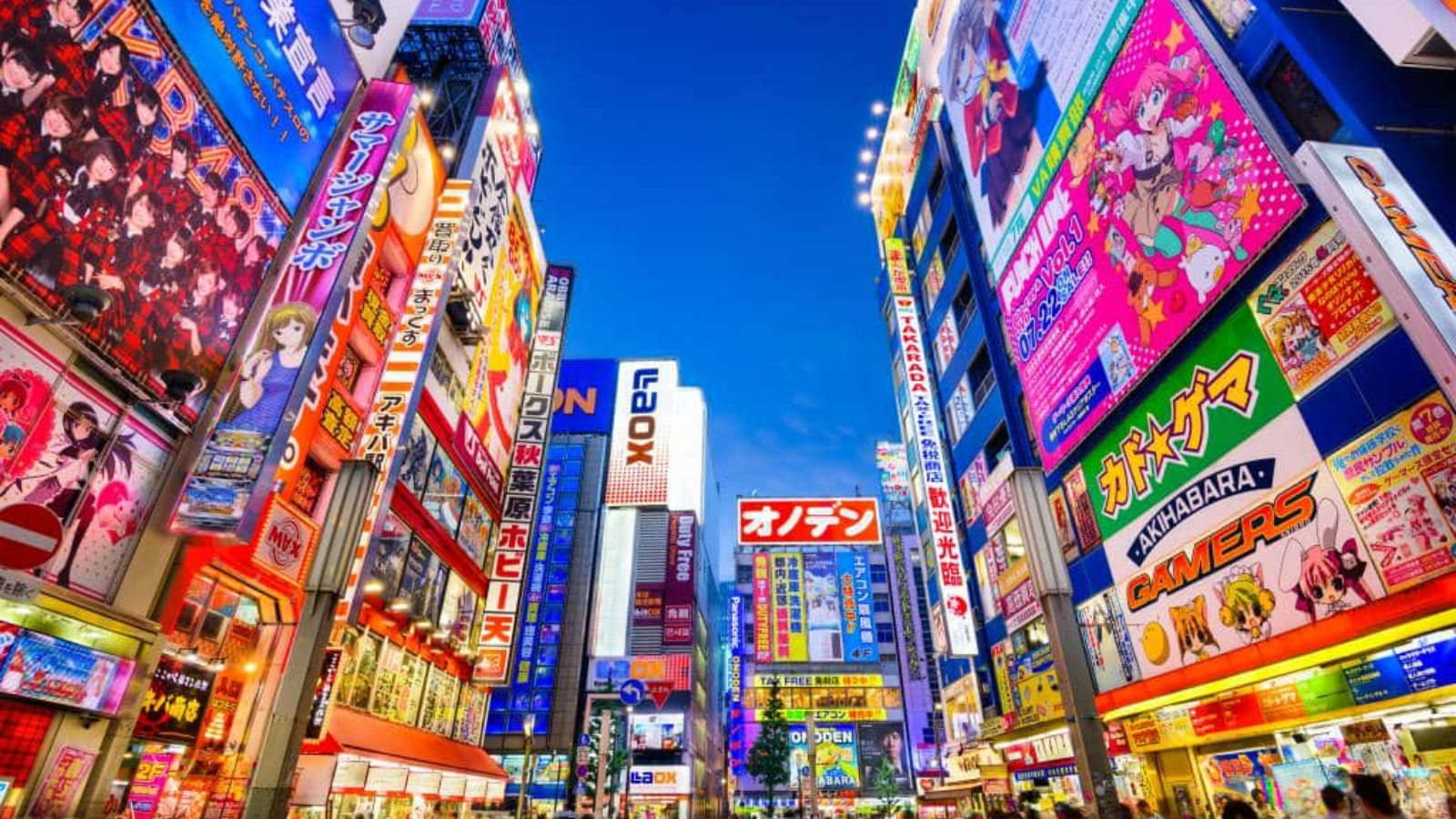
For travellers interested in Japanese pop culture, Akihabara is difficult to miss.
The district is associated with electronics, anime, manga, video games and Japanese pop culture.
The Japan National Tourism Organization describes Akihabara as a major centre for anime, video games, J-pop and electronics.
This is where Tokyo's modern cultural influence becomes particularly visible.
From multi-level electronics stores to gaming arcades and anime shops, the district offers a very different experience from the temples of Asakusa.
Tokyo Food: From Traditional to Contemporary
Food should be an important part of a Tokyo itinerary.
Japanese cuisine is far more diverse than sushi alone.
Travellers can explore ramen, tempura, yakitori, donburi, soba, udon and numerous regional specialities.
Tsukiji Outer Market is another useful stop for travellers interested in seafood and Japanese food culture.
Tokyo also offers an enormous range of contemporary dining.
The city combines traditional restaurants with modern cafés, international cuisine and innovative food experiences.
This makes food one of the easiest ways to experience the combination of old and new.
Beyond Tokyo: Adding Kyoto to the Journey
If your holiday allows more than a week in Japan, consider adding Kyoto before flying to South Korea.
Kyoto represents a very different side of Japan.
The city was Japan's imperial capital for centuries and remains closely associated with temples, shrines, gardens, traditional wooden houses and cultural practices.
Japan's official tourism guide describes Kyoto as a city where culture has been refined over more than 1,200 years, with traditional architecture, festivals, tea culture and historic neighbourhoods continuing to influence modern life.
For travellers particularly interested in heritage, Kyoto can make the Japan portion of the trip much richer.
Nara: Temples and Traditional Japan
Nara can also be included as a day trip from Kyoto or Osaka.
The city is famous for its historic temples, traditional sites and Nara Park.
The official Japan tourism itinerary combining Kyoto, Nara and Osaka highlights Kyoto's historic temples, Nara's famous deer and its enormous bronze Buddha, and Osaka's food and shopping culture.
For travellers with limited time, Kyoto and Nara can provide a concentrated introduction to traditional Japan.
Osaka: Food, Shopping and Entertainment
Osaka gives the itinerary another modern dimension.
While Tokyo is often associated with fashion, technology and global metropolitan culture, Osaka is particularly known for food, entertainment and a more relaxed atmosphere.
Japan's official tourism guide describes Osaka as a city known for food, fun and nightlife, while also highlighting Osaka Castle as an important historical attraction.
Dotonbori is an obvious evening stop.
The bright signs, restaurants and lively streets create an energetic atmosphere.
Osaka can therefore provide a useful transition before travelling to South Korea.
From Japan to South Korea
The next stage of the journey takes you from Japan to South Korea.
For Indian travellers, international travel between the two countries needs to be planned according to the selected itinerary, flight availability and current entry requirements.
Because visa and entry rules can change, travellers should always verify the latest requirements with the relevant official authorities before departure.
TrawelMart's current Japan and South Korea tour includes Japan's major destinations before continuing to Seoul. Its listed itinerary covers Tokyo, Hiroshima, Osaka and Seoul over 11 days and 10 nights.
Seoul: Korea's Historic and Modern Capital
Seoul offers a similar contrast to Tokyo, but with its own Korean identity.
The official Seoul tourism guide describes the city as a place where traditional and contemporary life coexist, highlighting Joseon-era palaces alongside modern skyscrapers, cafés, shopping and K-culture.
This makes Seoul an excellent destination for travellers who want both heritage and modern culture.
Gyeongbokgung Palace
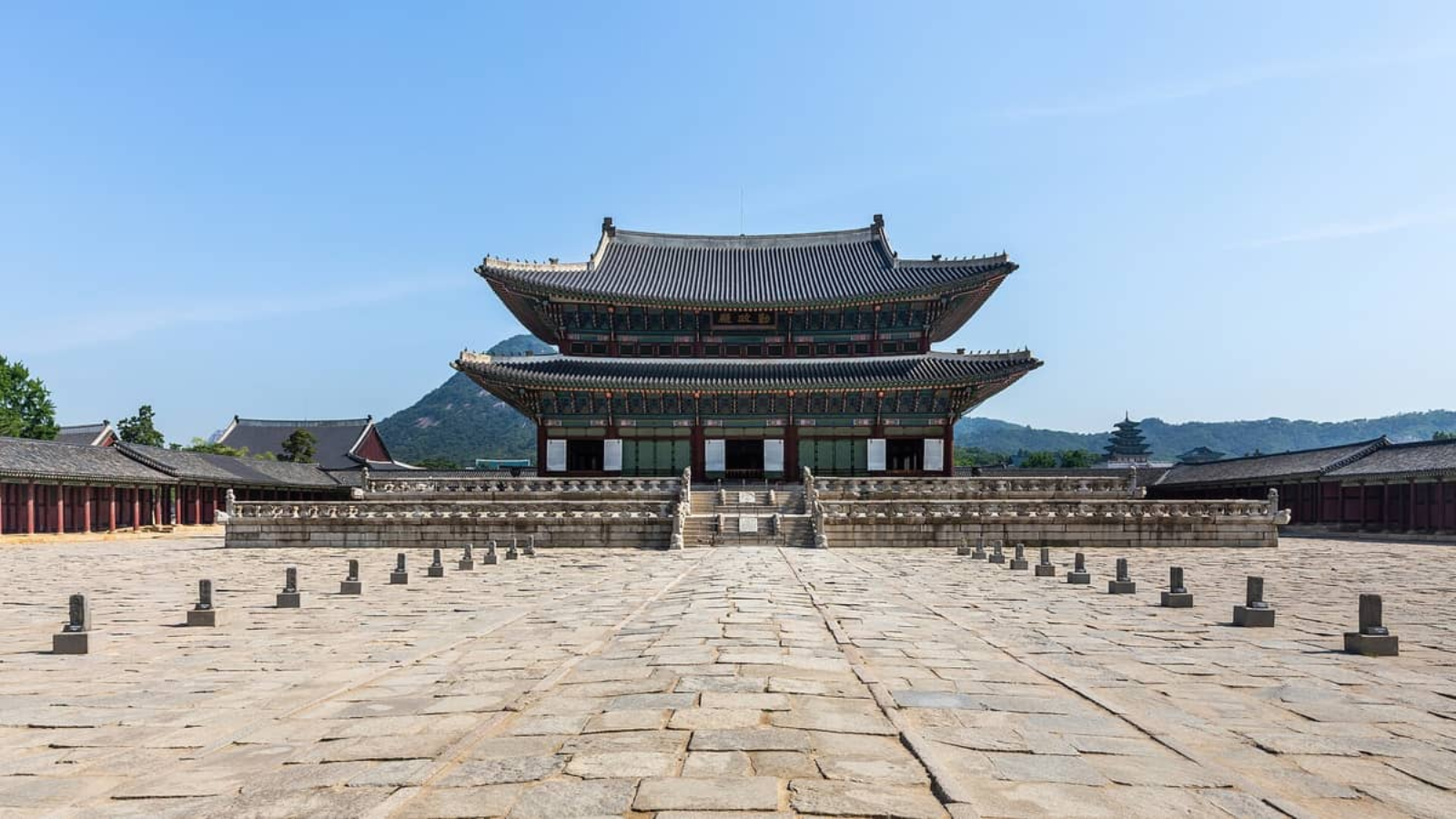
Start your Seoul heritage experience at Gyeongbokgung Palace.
The palace was the main royal palace of the Joseon Dynasty and remains one of Seoul's most important cultural landmarks.
The area surrounding Gyeongbokgung also provides access to traditional neighbourhoods, museums, restaurants and cultural experiences. Korea Tourism specifically highlights the palace and surrounding Seochon and Bukchon areas as major heritage and cultural zones.
One popular experience is wearing a hanbok while exploring the palace area.
This can make the cultural experience more immersive and also creates memorable photographs.
Bukchon Hanok Village
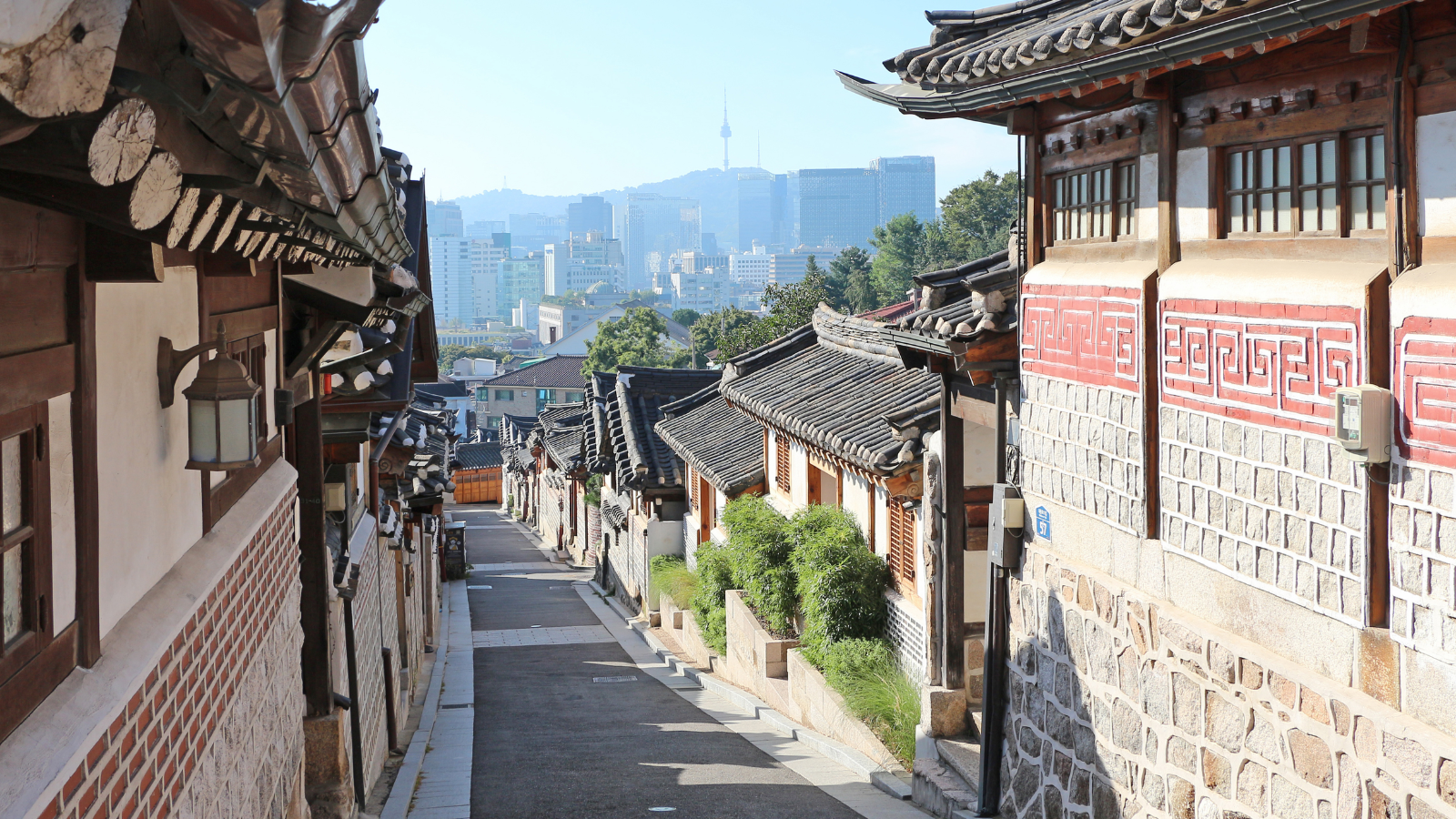
Continue to Bukchon.
The neighbourhood is known for traditional Korean houses called hanok.
The official Seoul tourism guide recommends Bukchon as part of its traditional culture itinerary and describes its streets as places where visitors can see traditional Korean houses and experience crafts.
The surrounding area is also close to Insadong, making it convenient to combine several cultural experiences.
Travellers should remember that Bukchon remains a residential area, so visitors should respect local residents, keep noise low and follow posted visitor guidance.
Insadong: Traditional Korean Arts and Crafts
Insadong is a useful stop for travellers looking for Korean crafts, art and souvenirs.
The official Seoul tourism guide describes the district as an area with craft shops and traditional art galleries.
You can browse traditional tea shops, galleries, craft stores and restaurants.
This is also a good place to look for souvenirs that feel connected to Korean culture rather than generic tourist products.
Changdeokgung Palace
Changdeokgung provides another important look at Korea's royal heritage.
It is listed as a UNESCO World Heritage Site, and its palace buildings and garden are particularly valued for their relationship with the surrounding natural landscape.
If your interest is architecture and history, consider allowing enough time for a guided visit rather than treating the palace as a quick photo stop.
Jogyesa Temple and Korean Buddhist Culture
Seoul's heritage is not limited to royal palaces.
Jogyesa Temple provides an opportunity to experience Korean Buddhist traditions in the middle of the modern city.
The official Seoul traditional-culture itinerary includes Jogyesa Temple alongside Gyeongbokgung, Changdeokgung, Bukchon and Insadong.
This combination shows how Seoul's heritage exists within the modern urban environment.
Seoul's K-Culture Experience
After exploring traditional Seoul, it is time to experience the city's contemporary cultural identity.
Korean popular culture has become a global phenomenon.
K-pop, K-dramas, Korean beauty, fashion and food are now major parts of Seoul's international image.
The official Seoul tourism guide identifies the city as a centre of K-pop, K-drama, K-beauty and K-food.
Travellers can experience this culture through shopping districts, cafés, entertainment venues, music-related experiences and contemporary neighbourhoods.
Myeongdong: Shopping and Korean Beauty
Myeongdong is one of Seoul's best-known shopping areas.
The district is particularly popular for cosmetics, fashion, cafés, restaurants and Korean beauty products.
For Indian travellers interested in K-beauty, this can be one of the most enjoyable shopping stops.
Keep in mind that product prices and promotions change regularly, so compare prices before purchasing larger quantities.
Hongdae: Youth Culture and Nightlife
Hongdae represents another side of modern Seoul.
The area around Hongik University is associated with music, street performances, cafés, independent shops and youth culture.
It is an excellent contrast to the historic atmosphere of Bukchon and the royal palaces.
Spend the afternoon exploring small shops and cafés before returning after dark when the neighbourhood becomes more energetic.
Gangnam: Seoul's Contemporary Image
Gangnam became globally famous through K-pop, but the district is more than a song reference.
It is a major commercial and entertainment area featuring shopping, restaurants, offices, cafés and modern architecture.
For travellers interested in contemporary Seoul, Gangnam provides a useful contrast to the historic districts around Jongno.
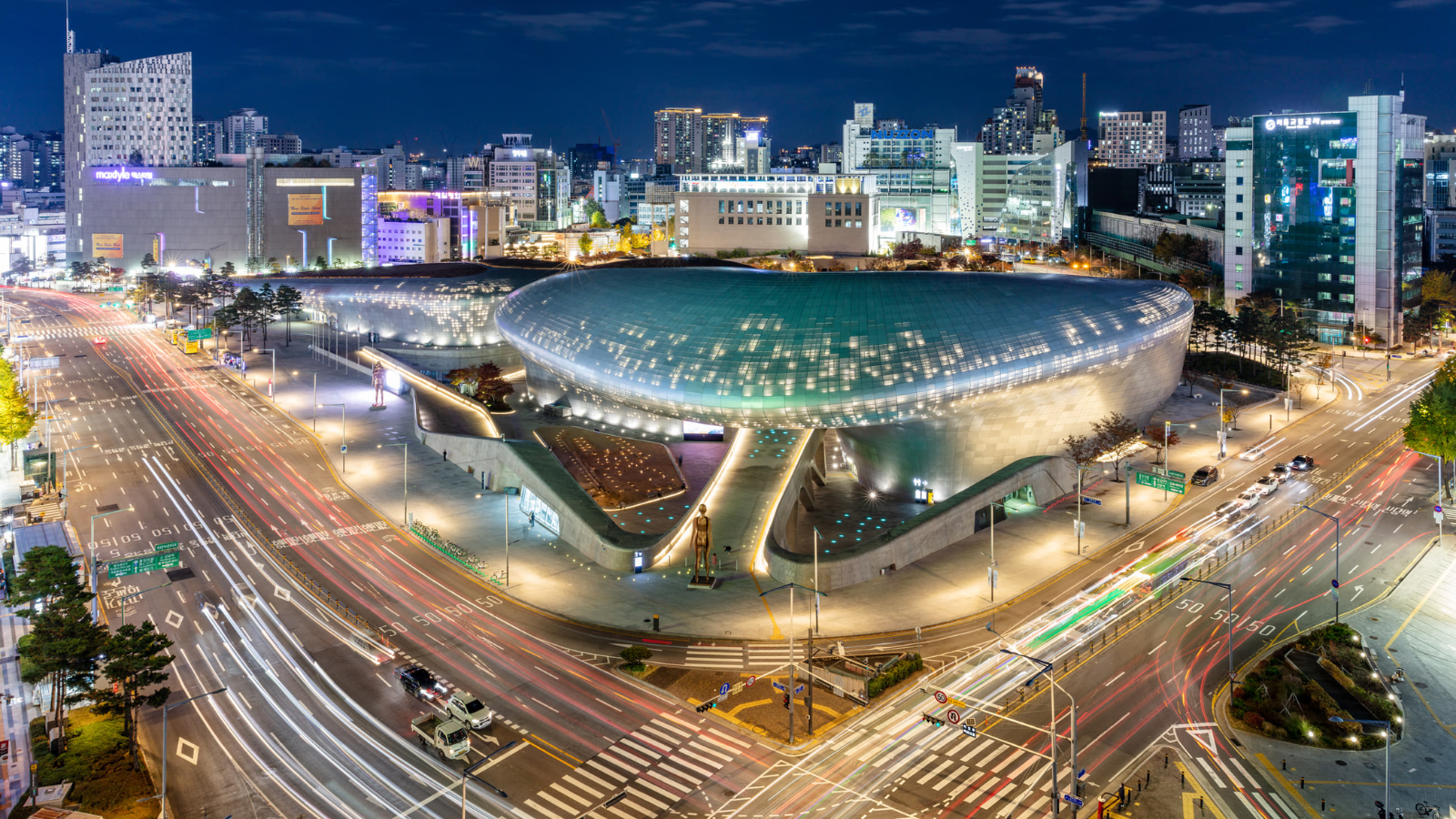
Dongdaemun Design Plaza
Dongdaemun Design Plaza, commonly called DDP, is another landmark of modern Seoul.
Its futuristic architecture represents Seoul's focus on design, fashion and contemporary creativity.
The official Seoul cultural itinerary includes DDP as part of a route combining historic areas with regenerated urban spaces and modern attractions.
A visit here can be combined with Dongdaemun's shopping areas.
Seoul Sky and the Modern Skyline
For a panoramic view of Seoul, consider Seoul Sky.
The official Seoul tourism guide highlights Seoul Sky as a major observation point offering wide views of the city and the Han River.
The experience gives travellers another perspective on how large and modern Seoul has become.
Korean Food: A Major Part of the Journey
Food is one of the easiest ways to understand the cultural difference between Japan and South Korea.
In Japan, travellers can explore sushi, ramen, tempura, soba and numerous regional dishes.
In South Korea, the food experience changes to kimchi, bibimbap, bulgogi, Korean barbecue, tteokbokki, japchae and a wide range of street foods.
Seoul's official tourism guide highlights everything from traditional market food to modern restaurants and international dining. Gwangjang Market and Namdaemun Market are among the city's well-known food destinations.
Indian travellers who prefer vegetarian or specific dietary options should communicate their requirements before travelling, especially when joining a group itinerary.
Tokyo vs Seoul: Two Modern Asian Capitals
Tokyo and Seoul share some similarities but offer different cultural experiences.
| Experience | Tokyo | Seoul |
|---|---|---|
| Traditional heritage | Shrines, temples, historic districts | Palaces, hanok villages, temples |
| Modern culture | Anime, gaming, technology, fashion | K-pop, K-drama, K-beauty, fashion |
| Major heritage area | Asakusa, Meiji Jingu | Gyeongbokgung, Bukchon, Insadong |
| Shopping | Shibuya, Harajuku, Ginza, Akihabara | Myeongdong, Gangnam, Dongdaemun |
| Food culture | Sushi, ramen, tempura, street food | Korean barbecue, bibimbap, kimchi, street food |
| Night experience | Shibuya, Shinjuku, Akihabara | Hongdae, Gangnam, Myeongdong |
| Urban character | Futuristic megacity with historic pockets | Modern capital with strong royal heritage |
The similarities make the comparison interesting, but the differences are what make the combined journey worthwhile.
A Suggested 10-Day Tokyo to Seoul Itinerary
A practical itinerary could look like this:
Day 1: Arrive in Tokyo
Arrive in Tokyo and settle into your hotel.
Spend the evening exploring the neighbourhood around your accommodation and enjoy your first Japanese meal.
Day 2: Traditional Tokyo
Visit Asakusa, Sensoji Temple and Nakamise Street.
Continue to Tokyo Skytree and explore the surrounding area.
Day 3: Modern Tokyo
Explore Harajuku, Meiji Jingu and Shibuya.
Spend the evening experiencing Shibuya's restaurants, shopping and entertainment.
Day 4: Tokyo Pop Culture
Explore Akihabara, Ginza or other shopping areas depending on your interests.
Keep some free time for shopping.
Day 5: Tokyo to Osaka
Travel to Osaka by Shinkansen.
Explore Dotonbori and the city's food scene in the evening.
Day 6: Osaka and Heritage
Visit Osaka Castle and explore the city's historic and modern attractions.
Day 7: Osaka to Seoul
Travel to Seoul.
After checking into the hotel, explore a nearby shopping or dining area.
Day 8: Historic Seoul
Visit Gyeongbokgung Palace, Bukchon Hanok Village and Insadong.
Consider a hanbok experience.
Day 9: Modern Seoul
Explore Myeongdong, Hongdae, Dongdaemun or Gangnam.
Spend the evening enjoying Korean food and Seoul's nightlife.
Day 10: Seoul and Departure
Depending on your flight time, visit a final attraction or complete your shopping before departure.
For travellers with more time, Kyoto, Nara, Hiroshima or additional Seoul experiences can be added.
An 11-Day Version With TrawelMart's Current Route
TrawelMart currently lists an 11-day/10-night Japan & South Korea Cherry Blossom Tour 2026 covering five cities, with Tokyo for three nights, Hiroshima for one night, Osaka for three nights and Seoul for three nights.
This creates a broader journey than a simple Tokyo-to-Seoul city break.
The route provides time for:
Tokyo's modern and traditional culture
Hiroshima's historical significance
Osaka's food and entertainment
Seoul's royal heritage and contemporary culture
For travellers visiting during cherry blossom season, the itinerary also adds a strong seasonal element.
However, cherry blossom timing varies by location and year, so travellers should avoid assuming exact bloom dates too far in advance.
Best Time for a Tokyo-to-Seoul Holiday
Both Tokyo and Seoul experience four distinct seasons.
Spring is especially popular because of cherry blossoms.
Japan's official tourism information highlights spring events around destinations such as Meiji Jingu and Tokyo's parks, while Seoul's official tourism guide provides seasonal recommendations for spring and autumn.
Autumn is another excellent period for cultural sightseeing.
The weather can be comfortable for walking through historic districts, temples, palaces and markets.
Summer can be hot and humid, while winter can be cold, particularly in Seoul.
The best season therefore depends on whether your priority is blossoms, autumn foliage, comfortable sightseeing, shopping or seasonal events.
Tokyo to Seoul for Families
Families can enjoy both cities, but the itinerary should not be overloaded.
Tokyo offers attractions for children interested in technology, anime, gaming and theme parks, while Seoul offers museums, interactive attractions, shopping and entertainment.
Allow enough rest time between sightseeing days.
Children may also enjoy experiences such as Japanese character stores, arcades, Korean cafés and family-friendly attractions.
Tokyo to Seoul for Couples
Couples can build a romantic itinerary around food, city views, cultural experiences and shopping.
Tokyo can provide sunset views, elegant restaurants and traditional cultural experiences.
Seoul offers palace walks, cafés, night views and neighbourhood exploration.
A combination of heritage and modern experiences can make the holiday feel more varied than a conventional city break.
Tokyo to Seoul for First-Time East Asia Travellers
For travellers visiting East Asia for the first time, the biggest challenge can be deciding how much to cover.
Do not try to visit every famous attraction.
Instead, select a few experiences from each category.
Choose traditional heritage.
Add modern city life.
Include local food.
Reserve time for shopping.
Keep some free time.
This creates a much more comfortable itinerary.
Visa and Entry Planning for Indian Travellers
Visa and entry requirements for Japan and South Korea can change, so Indian travellers should verify the latest requirements with the relevant official authorities before booking and again before departure.
Documentation requirements may include passports, photographs, financial documents, accommodation details, flight information and other supporting documents depending on the applicable rules.
TrawelMart currently promotes visa assistance as part of its Seoul travel package offering and lists its Japan–South Korea tour for travellers from India.
Visa assistance can help with the application process, but final visa decisions are made by the relevant authorities.
What to Pack for Japan and South Korea
Your packing list should depend on the season.
For spring, carry layers because temperatures can change during the day.
For autumn, light jackets and comfortable walking shoes are useful.
Summer requires breathable clothing and rain protection.
Winter requires substantially warmer clothing, particularly for Seoul.
Comfortable walking shoes are essential regardless of season.
Both Tokyo and Seoul involve extensive walking, especially when exploring neighbourhoods, markets, temples and shopping districts.
Why Choose TrawelMart for a Japan and South Korea Holiday?
Planning a multi-country East Asia holiday involves coordinating flights, hotels, intercity transportation, sightseeing and entry documentation.
TrawelMart currently offers Japan travel packages covering Tokyo, Kyoto, Osaka and Hiroshima, while its Japan–South Korea Cherry Blossom Tour combines Tokyo, Hiroshima, Osaka and Seoul in an 11-day/10-night itinerary.
The listed Japan–South Korea package includes accommodation in Tokyo, Hiroshima, Osaka and Seoul, with three nights in Tokyo, one night in Hiroshima, three nights in Osaka and three nights in Seoul.
TrawelMart's current Seoul offering also highlights guided experiences covering landmarks such as Gyeongbokgung Palace, Bukchon Hanok Village, Insadong and N Seoul Tower, alongside shopping areas including Myeongdong and Dongdaemun. It also lists day-trip options and visa assistance.
For Indian travellers, having these components coordinated through one itinerary can simplify the planning process.
It also makes it easier to create a journey where Japan's traditional and modern culture naturally connects with South Korea's heritage and K-culture.
Final Thoughts
A Tokyo-to-Seoul journey is more than a trip between two major Asian cities.
It is a journey through two cultures that have preserved centuries of heritage while becoming global centres of technology, fashion, entertainment and popular culture.
Tokyo introduces travellers to the contrast between Sensoji and Shibuya, Meiji Jingu and Harajuku, traditional Japanese food and cutting-edge pop culture.
Seoul offers a similarly fascinating combination through Gyeongbokgung Palace, Bukchon, Insadong and Jogyesa Temple alongside Myeongdong, Hongdae, Gangnam and Dongdaemun.
The journey becomes even richer when Kyoto, Nara, Hiroshima or Osaka are added.
For travellers from India, the combination of Japan and South Korea can provide a memorable international holiday filled with heritage, modern culture, food, shopping and seasonal experiences.
TrawelMart's current Japan–South Korea itinerary already brings together Tokyo, Hiroshima, Osaka and Seoul in an 11-day journey, making it a useful starting point for travellers interested in experiencing both countries in one holiday.
Whether your interest is Japanese temples, Korean palaces, anime, K-pop, traditional food, modern architecture, shopping or simply discovering two fascinating Asian cultures, Tokyo to Seoul offers an East Asian journey where the past and future meet at almost every stop.