
Few travel experiences can match the feeling of watching the African savannah come alive at sunrise. The grass moves gently in the morning breeze, distant hills turn golden, and wildlife begins its daily rhythm. In Kenya, a safari is not simply a wildlife-viewing holiday. It is an immersive journey through some of East Africa’s most spectacular landscapes.
From the legendary Maasai Mara and its Great Migration to the elephant-filled plains of Amboseli, Kenya offers an extraordinary variety of wildlife environments. The country is also home to Lake Nakuru, Tsavo East, Tsavo West, Nairobi National Park and many other protected areas managed or supported through Kenya's conservation system. Kenya Wildlife Service describes its protected areas as landscapes ranging from savannahs and forests to wetlands, mountains and coastal ecosystems.
For travellers looking for something more luxurious, Kenya adds another dimension to the classic safari. Luxury tented camps combine comfortable accommodation with an authentic wilderness setting, while hot air balloon safaris provide a completely different perspective of the Maasai Mara.
Whether you are planning a honeymoon, family holiday, photography trip or once-in-a-lifetime African adventure, this Kenya Wildlife Safari Guide explains how to plan the experience.
Why Kenya Is One of Africa's Most Memorable Safari Destinations
Kenya has an exceptional combination of wildlife, landscapes, culture and safari infrastructure. A single trip can take you from Nairobi's urban environment to open savannahs, mountain views, freshwater lakes and enormous wilderness areas.
The country's wildlife attractions include elephants, lions, leopards, rhinos, buffaloes, giraffes, zebras, hippos and many species of antelope and birds. Kenya Wildlife Service highlights opportunities to see major wildlife species in their natural habitats through guided game drives and other safari experiences.
The biggest advantage of choosing Kenya is that the safari can be customized around your interests.
A wildlife enthusiast may want several days in the Maasai Mara. A photographer may prefer a slower itinerary with longer game drives and fewer hotel changes. Couples may choose luxury tented camps and add a hot air balloon experience. Families may prefer a combination of wildlife viewing, cultural experiences and comfortable lodges.
This flexibility makes Kenya suitable for both first-time safari travellers and experienced wildlife enthusiasts.
Maasai Mara: The Heart of a Kenya Wildlife Safari
The Maasai Mara is usually the highlight of a first Kenya safari.
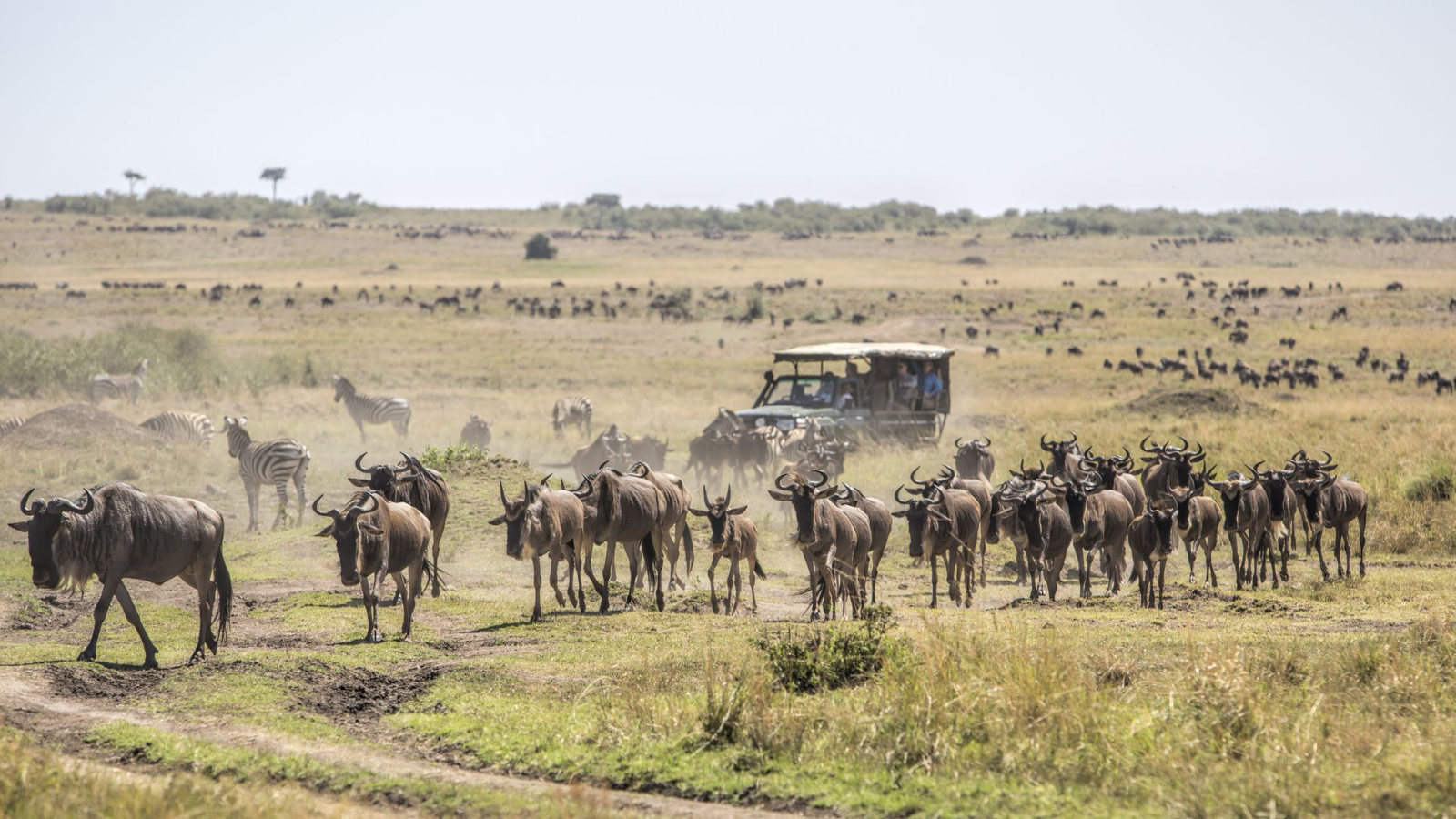
Located in southwestern Kenya, the Maasai Mara is a vast grassland ecosystem famous for its wildlife density and the annual Great Migration. The official Magical Kenya tourism portal describes the Mara as home to the Big Five — lion, leopard, buffalo, elephant and rhino — and highlights the Great Migration as one of its signature experiences.
The landscape itself is part of the attraction. Wide-open grasslands create excellent opportunities for wildlife viewing, particularly during early morning and late afternoon game drives.
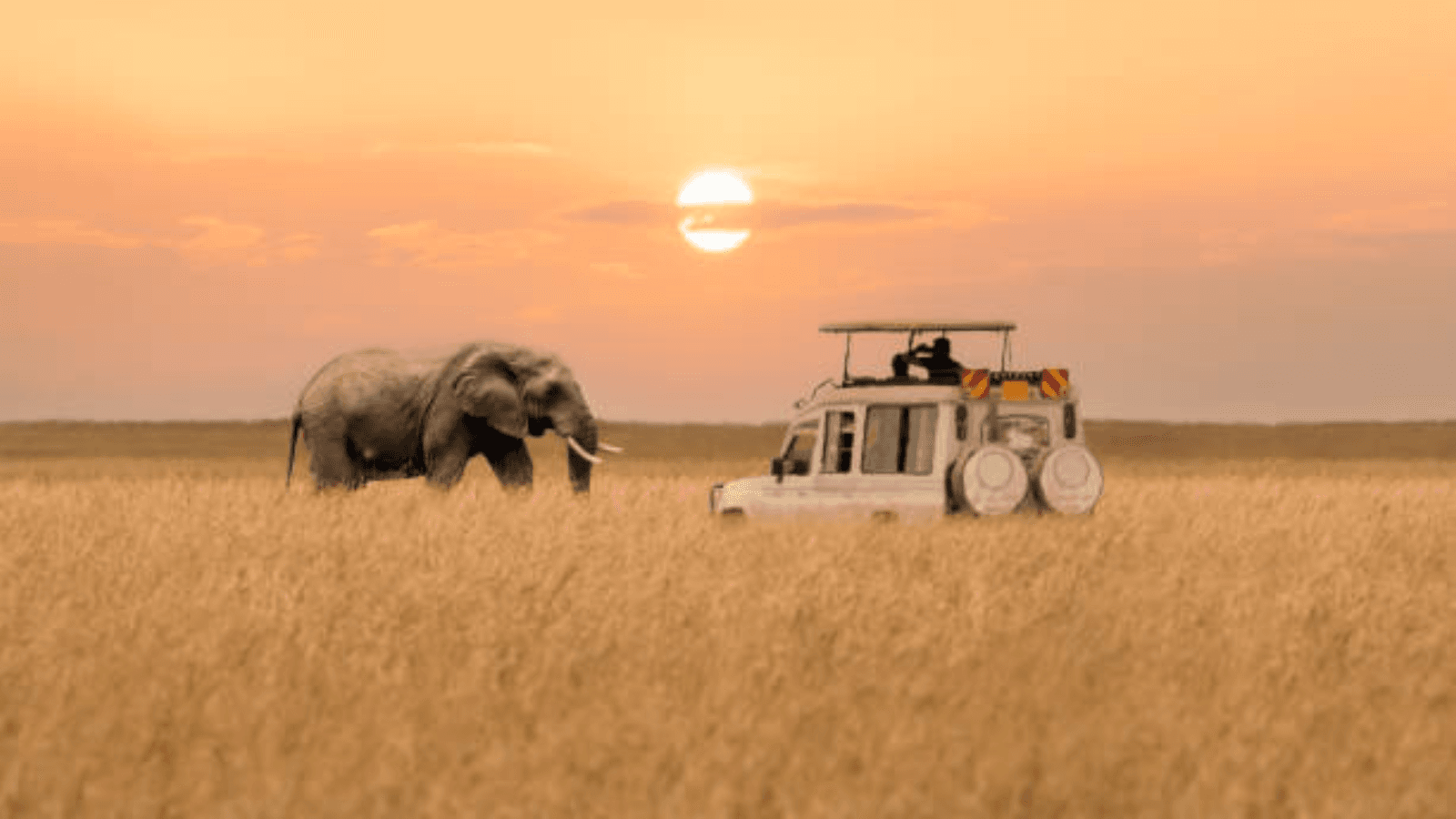
A typical safari morning begins before sunrise. You leave camp while the sky is still cool and slowly brightens over the savannah. As the sun rises, predators may still be active, while herds of zebra, wildebeest, antelope and buffalo begin moving across the plains.
The Mara is also known for its large predator population. Lions, cheetahs and leopards can often be found in areas where prey animals gather.
The Great Migration
The Great Migration is one of the most famous reasons travellers choose Kenya.
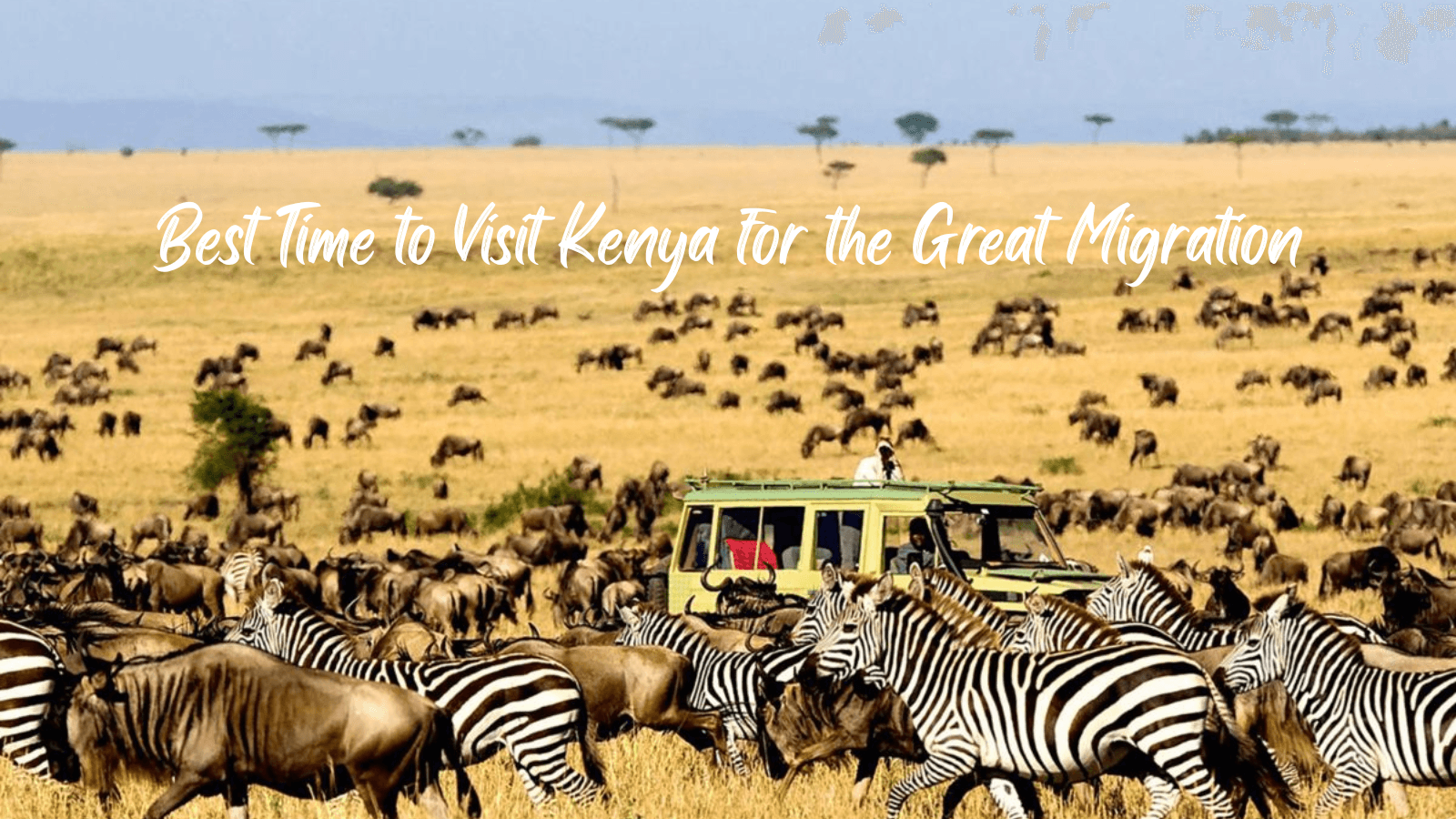
The migration is not a single one-day event. It is a continuous natural cycle involving huge herds of wildebeest, zebras and other grazing animals moving between the Serengeti ecosystem in Tanzania and the Maasai Mara in Kenya.
The most dramatic Kenya-focused period generally occurs from July to October, when large herds move into the Maasai Mara and some attempt to cross the Mara River. Magical Kenya identifies July to October as the period associated with the most dramatic migration activity in the Mara.
However, it is important not to assume that visiting outside these months means there will be no wildlife. The Maasai Mara offers strong game viewing throughout the year, and different seasons provide different experiences.
Hot Air Balloon Safari Over the Maasai Mara
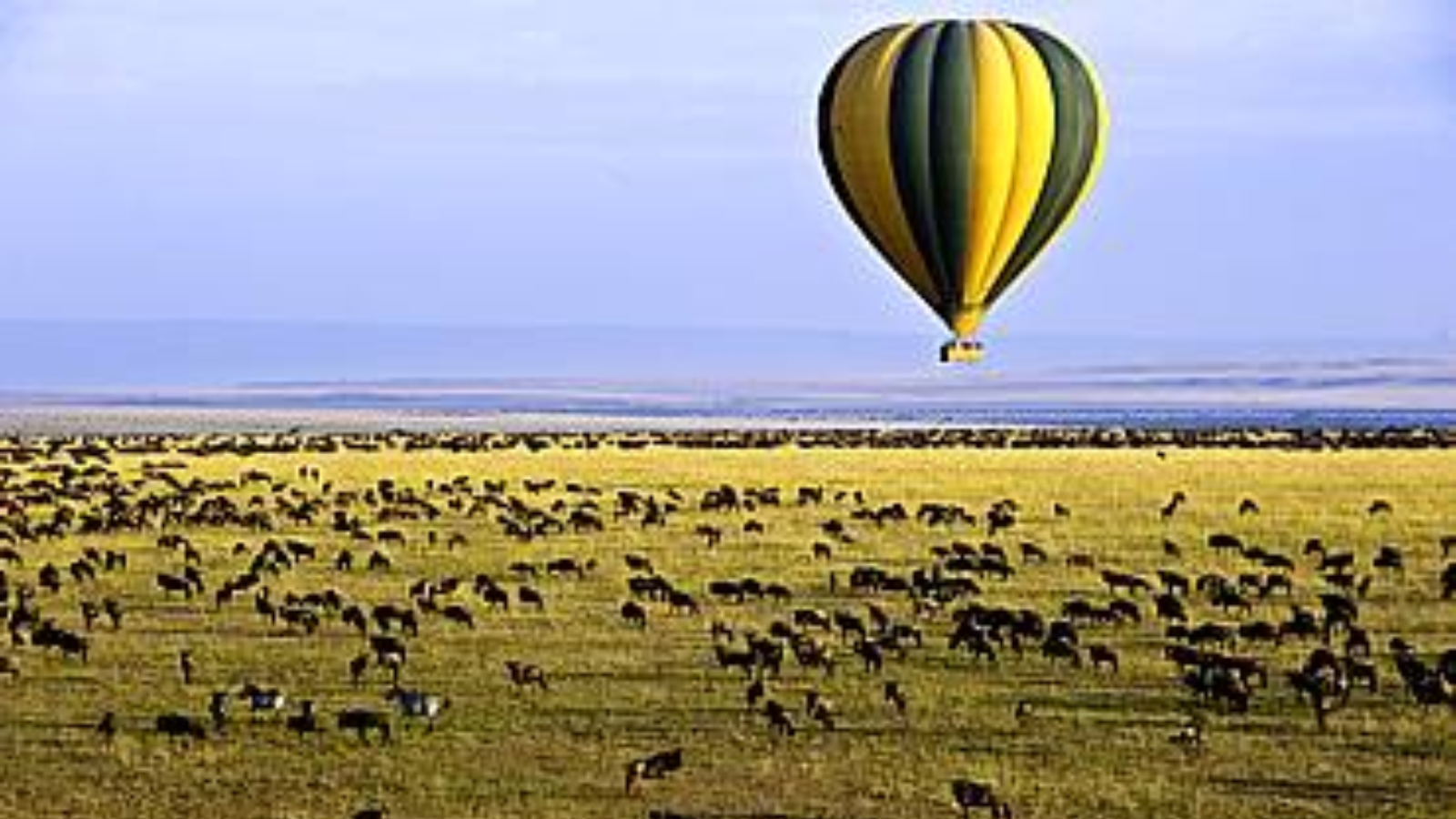
A hot air balloon safari is one of the most extraordinary additions you can make to a Kenya itinerary.
Instead of travelling across the savannah in a safari vehicle, you rise into the sky around sunrise and gently float above the landscape.
Magical Kenya describes balloon safaris as an early-morning experience offering panoramic views over the Mara plains, riverine forests and surrounding wilderness. The experience typically concludes with a bush breakfast in the wilderness.
The experience is especially memorable because the balloon moves quietly compared with a vehicle. From above, the landscape becomes a giant natural canvas. Herds of animals appear as small moving patterns across the grasslands, while rivers and trees create natural lines through the landscape.
For photographers, the soft early-morning light can be particularly attractive.
A balloon safari is generally considered an optional premium experience, so it should be added when your budget and itinerary allow. It is especially suitable for honeymooners, couples celebrating a special occasion and travellers who want something beyond traditional game drives.
Luxury Tented Camps: Where Comfort Meets the Wilderness
The phrase "tented camp" can sometimes create the impression of basic camping. Luxury safari camps in Kenya are very different.
Kenya Wildlife Service notes that accommodation in parks and reserves ranges from luxury lodges and tented camps to campsites and other accommodation styles.
Luxury tented camps can feature spacious sleeping areas, private bathrooms, comfortable beds, dining areas, decks and beautiful views of the surrounding wilderness.
Some camps are designed to blend into the environment rather than dominate it. The result is an accommodation experience where you remain connected to nature while still enjoying modern comfort.
The location is also important.
Staying close to or inside a wildlife area can reduce the amount of time spent travelling between your accommodation and game-viewing areas. Kenya Wildlife Service notes that privately operated lodges and tented camps can offer guided game drives, bush walks, dining and other services within protected landscapes.
For luxury travellers, the accommodation can become part of the safari experience rather than simply a place to sleep.
Amboseli National Park: Elephants with Mount Kilimanjaro
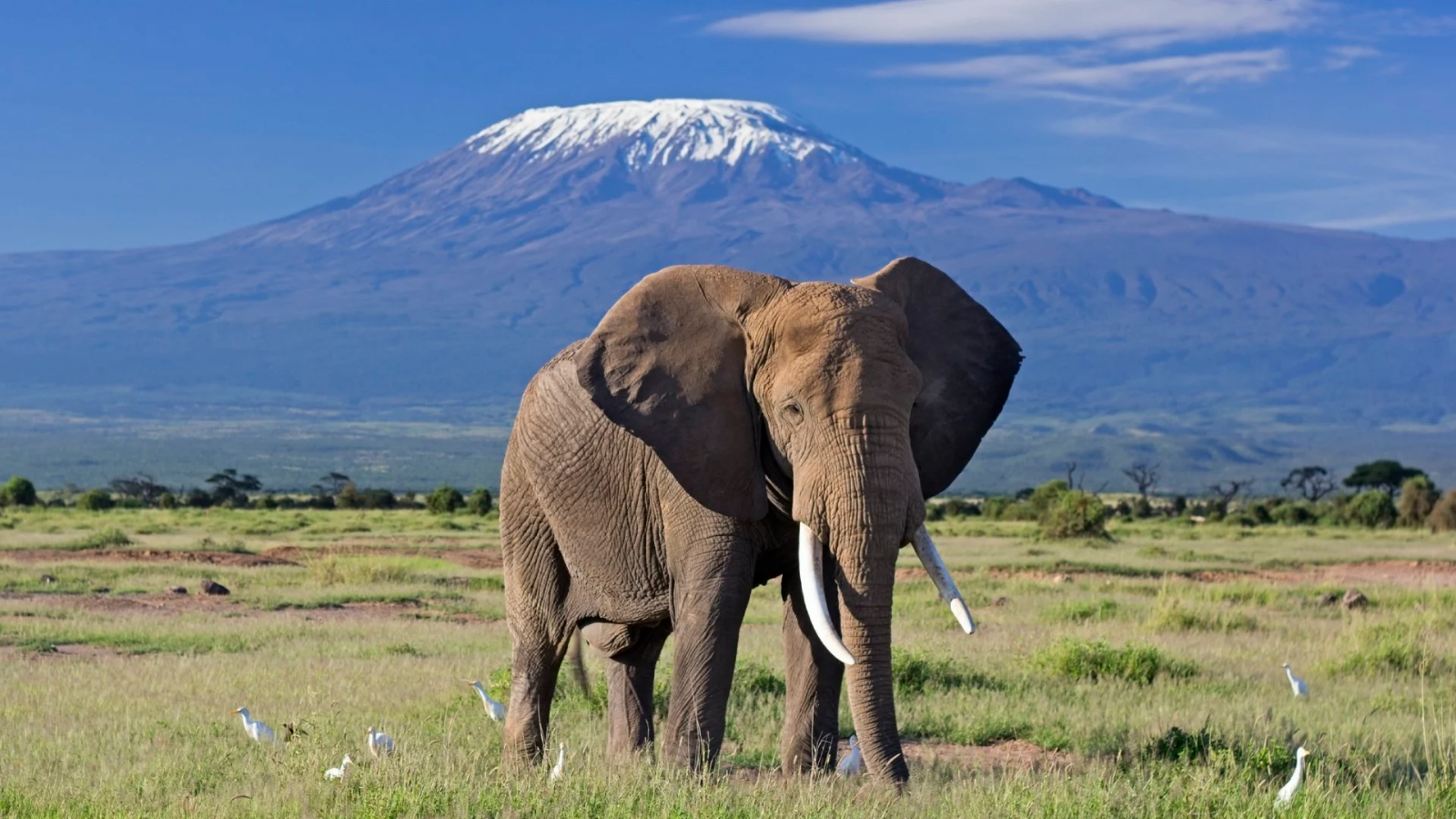
Amboseli offers one of the most recognizable landscapes in Kenya.
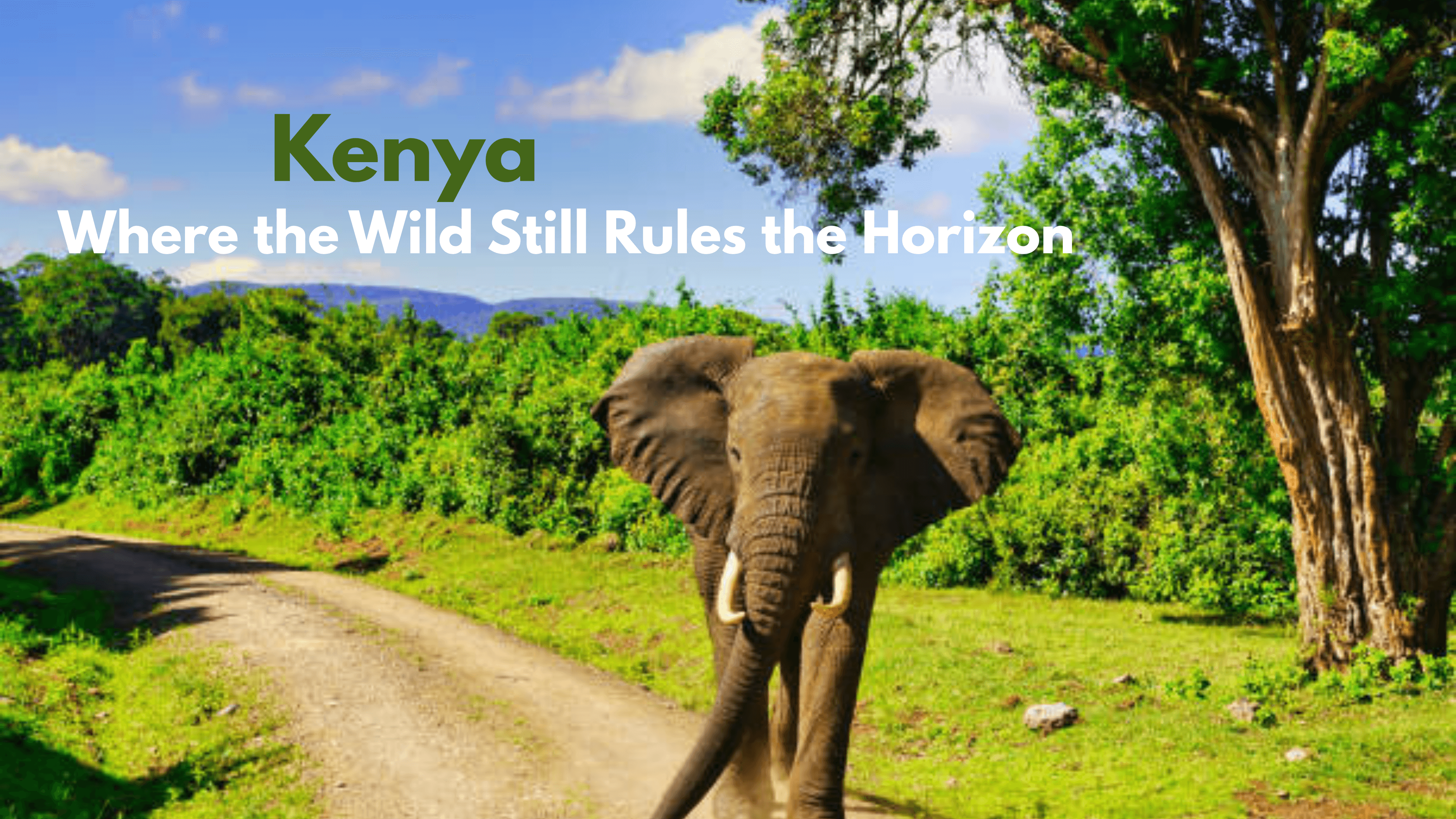
The park is famous for its large elephant population and spectacular views toward Mount Kilimanjaro. Kenya Wildlife Service lists big-game viewing, the Kilimanjaro backdrop, the Amboseli Lake basin, birdlife and Maasai cultural experiences among its major attractions.
The combination of elephants and Mount Kilimanjaro creates extraordinary photographic opportunities.
Early mornings can be particularly rewarding when the mountain is visible above the plains. The changing light can transform the landscape from soft grey and blue tones into warm golden colours.
Amboseli also offers a different character from the Maasai Mara. Rather than focusing primarily on the migration, travellers come here for elephants, scenic landscapes, birdlife and the distinctive Kilimanjaro setting.
A Kenya itinerary combining Maasai Mara and Amboseli therefore gives travellers two very different safari experiences.
Lake Nakuru: Wildlife Around the Rift Valley
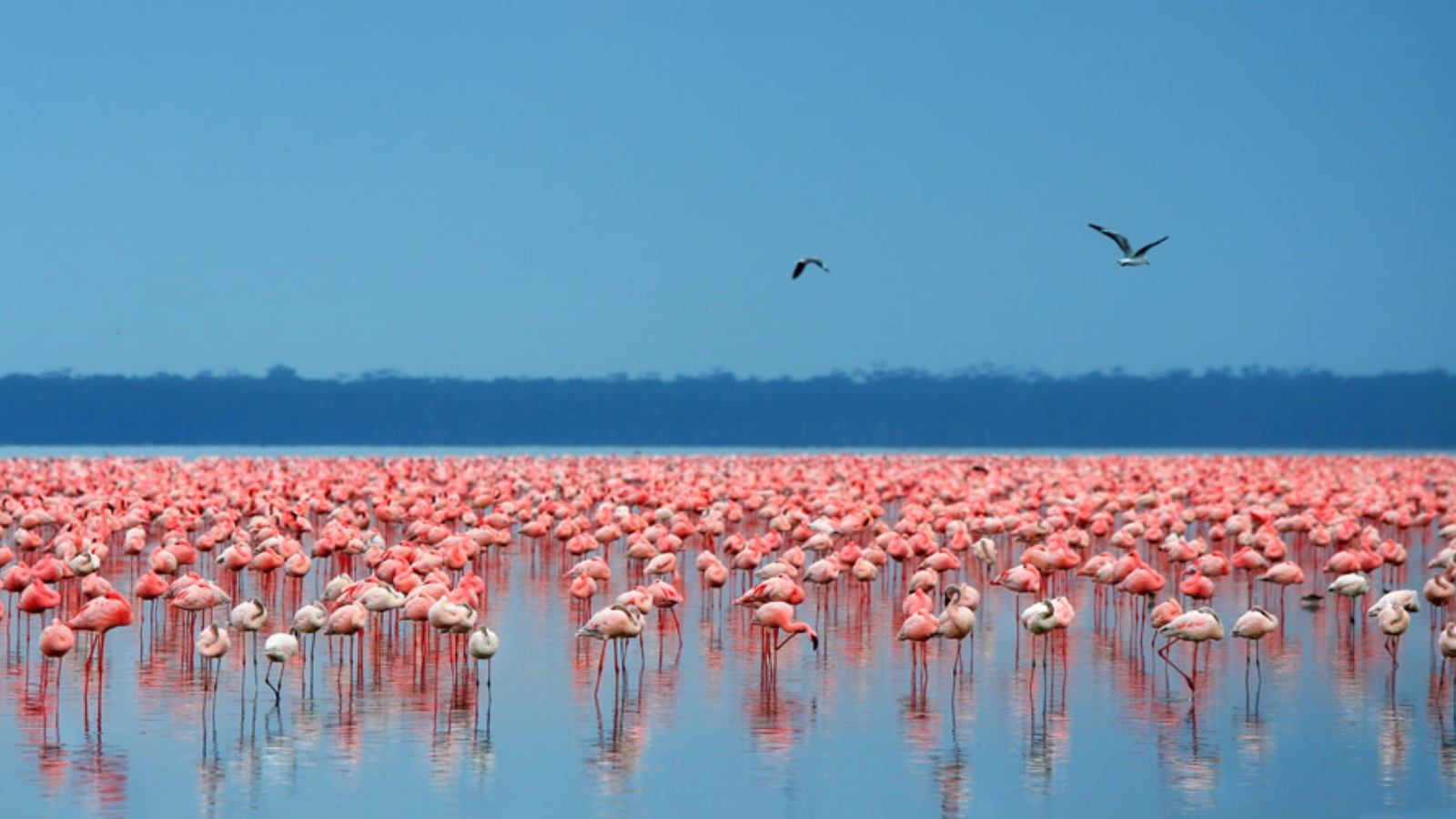
Lake Nakuru is another important destination to consider when planning a Kenya safari.
The national park is located within the Great Rift Valley and offers a different environment from the open grasslands of the Maasai Mara.
The lake and surrounding ecosystems attract a wide range of birds and wildlife. Kenya Wildlife Service lists Lake Nakuru among its protected national parks and wildlife safari destinations.
Lake Nakuru can work particularly well as part of a longer Kenya itinerary between Nairobi and the Maasai Mara.
Instead of spending the entire holiday in one reserve, travellers can experience several ecosystems while moving through the country.
Tsavo East and Tsavo West: Vast Wilderness and Red Elephants
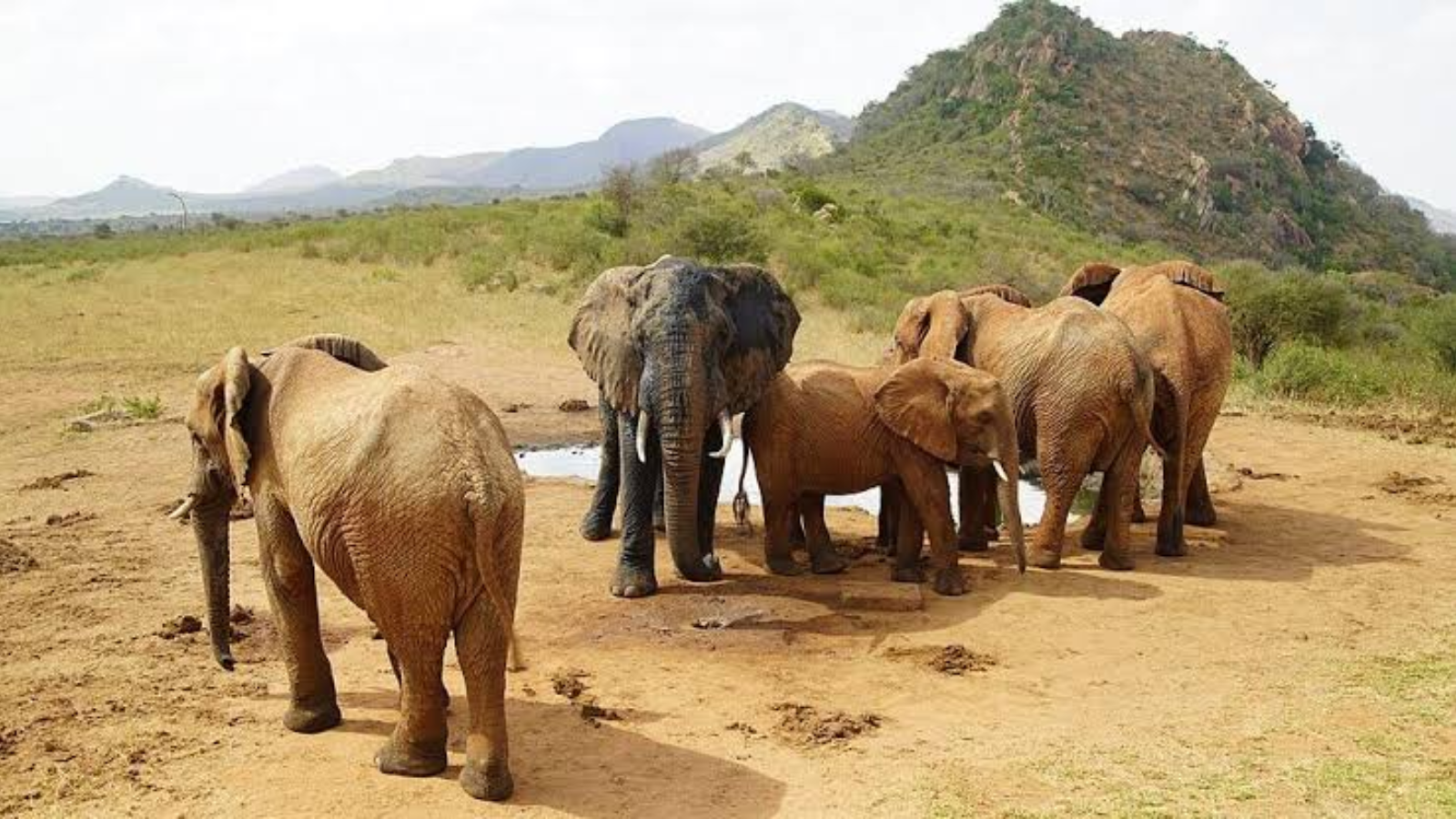
Tsavo offers another side of Kenya.
The Tsavo ecosystem is enormous and features varied landscapes, including open plains, woodland and hills. Magical Kenya highlights Tsavo for its large-scale wilderness, wildlife diversity and famous red elephants whose appearance is influenced by the red soil and dust of the region.
Tsavo West is also known for Mzima Springs, where clear water creates an oasis that attracts wildlife.
For travellers who want a quieter and more expansive wilderness experience, Tsavo can be an excellent addition to a Kenya itinerary.
It can also work well for travellers who want to combine a safari with a coastal holiday in destinations such as Mombasa or Diani.
Nairobi National Park: Safari Before or After Your Flight
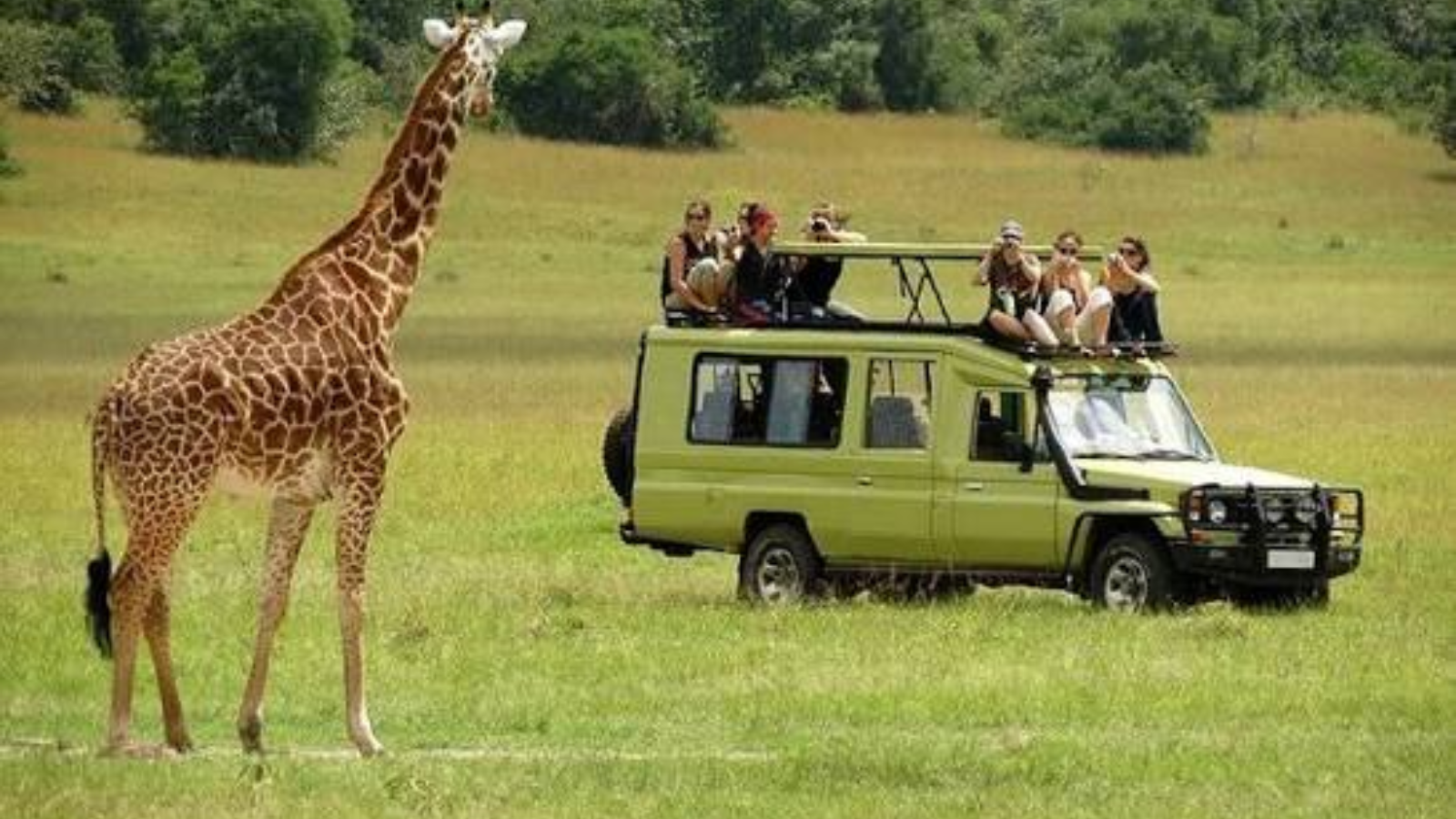
Nairobi National Park is an unusual safari destination because of its proximity to Kenya's capital.
Kenya Wildlife Service includes Nairobi National Park among its major wildlife safari areas.
This makes it particularly convenient for travellers who have a few additional hours before an international flight or who want to begin their Kenya experience immediately after arrival.
A short safari here can introduce travellers to Kenya's wildlife environment without requiring a long transfer to another national park.
For a longer holiday, Nairobi can also serve as the starting or ending point for a multi-park itinerary.
What Happens During a Typical Safari Day?
A safari day is very different from a conventional sightseeing holiday.
Early mornings are usually important because animals are often more active during the cooler parts of the day. A morning game drive can begin before sunrise and continue for several hours.
After returning to camp, travellers usually have breakfast followed by some leisure time. Depending on the property and itinerary, this may include relaxing at the camp, enjoying lunch or taking part in another activity.
Later in the afternoon, another game drive can begin as temperatures become more comfortable.
The evening is an opportunity to return to camp, enjoy dinner and listen to the sounds of the surrounding wilderness.
Some private conservancies and safari properties also offer activities such as guided nature walks or night experiences, subject to local rules and operator arrangements.
The important thing to understand is that a safari is not about ticking animals off a checklist. Wildlife is unpredictable. The excitement comes from not knowing what you may encounter around the next bend.
A Suggested 7-Day Kenya Safari Itinerary
A seven-day Kenya wildlife holiday can provide a good introduction to the country's major safari experiences.
Day 1: Arrival in Nairobi
Arrive in Nairobi, complete your transfer and settle into your hotel. Depending on your arrival time, keep the first day relaxed.
Day 2: Nairobi to Amboseli
Travel towards Amboseli National Park. After reaching your lodge or camp, enjoy an afternoon game drive and look for elephants against the Mount Kilimanjaro backdrop.
Day 3: Amboseli Safari
Spend more time exploring Amboseli. Morning and afternoon wildlife drives provide opportunities to see elephants, buffaloes, giraffes, zebras and other wildlife.
Day 4: Amboseli to Lake Nakuru
Travel towards the Great Rift Valley and Lake Nakuru. The journey itself provides a changing view of Kenya's landscapes.
Day 5: Lake Nakuru to Maasai Mara
Continue towards the Maasai Mara. After checking into your camp, enjoy an afternoon game drive.
Day 6: Maasai Mara Wildlife Safari
Spend a full day exploring the Maasai Mara. This is also the ideal day to add a hot air balloon safari if your itinerary and budget allow.
Day 7: Maasai Mara to Nairobi
Enjoy an early game drive before travelling back towards Nairobi for your onward journey.
For a more relaxed luxury safari, extending the trip to eight or ten days allows additional nights in the Mara and reduces the number of long travel days.
Best Time to Visit Kenya for a Safari
Kenya can be visited throughout the year, but the best period depends on the type of experience you want.
The official Magical Kenya tourism information identifies December to March and July to October as major peak travel periods, with generally dry and warm conditions supporting wildlife viewing.
July to October
This is one of the most popular periods for travellers interested in the Great Migration and Mara River crossings.
However, demand for accommodation can also be higher during this period. Luxury camps in prime locations can book early, particularly around popular travel dates.
January to March
These months can offer good wildlife-viewing conditions and are also attractive for travellers who prefer to avoid the busiest migration period.
April to June
Some areas experience wetter conditions. This can mean fewer visitors and greener landscapes, although road and wildlife-viewing conditions can vary.
The best month ultimately depends on whether your priority is migration, general wildlife viewing, photography, weather, budget or fewer crowds.
Kenya Safari for Couples and Honeymooners
Kenya is particularly well suited to romantic travel.
A luxury tented camp surrounded by wilderness creates a very different atmosphere from a conventional city hotel. Couples can combine private transfers, game drives, scenic landscapes and special dining experiences.
Adding a hot air balloon safari can make a honeymoon especially memorable.
The sunrise flight, followed by a wilderness breakfast, provides a special experience without requiring an extremely active itinerary.
For honeymoon planning, it is usually better to spend more nights in fewer destinations rather than moving every day. Two or three nights in the Maasai Mara can give couples enough time to enjoy both safari activities and the camp itself.
Kenya Safari for Families
Kenya can also be an exciting destination for families.
Children often find wildlife viewing more engaging than conventional sightseeing because every game drive feels different.
Family-friendly safari properties may offer larger rooms or family tents, depending on the camp. Some camps also provide nature-based activities suitable for children, although age restrictions can apply to certain experiences.
For families, a slightly slower itinerary is often preferable. Long road transfers every day can become tiring, so choosing comfortable accommodation and limiting the number of hotel changes can make the holiday much more enjoyable.
Kenya Safari for Wildlife Photography
Kenya is one of the world's most exciting destinations for wildlife photography.
The combination of open grasslands, large mammals, dramatic skies and changing light provides countless photographic opportunities.
The Maasai Mara is particularly attractive because animals can often be seen against relatively open landscapes.
A hot air balloon safari adds another photographic perspective. Instead of photographing wildlife only from ground level, you can capture the geometry of herds, rivers and savannah from above.
For serious photographers, it is worth discussing camera equipment, vehicle seating, charging facilities and luggage requirements with your tour planner before departure.
What to Pack for a Kenya Safari
Safari packing should focus on comfort, practicality and protection from the sun.
Lightweight neutral-coloured clothing works well for daytime activities. Comfortable walking shoes, sunglasses, sunscreen and a wide-brimmed hat are useful.
Early mornings can be surprisingly cool, so a light jacket or fleece is worth carrying even when daytime temperatures are warm.
A good camera or smartphone, extra memory, power banks and suitable charging equipment are also useful.
Binoculars can significantly improve the experience, especially when animals are far away.
Because luggage restrictions can apply on safari flights and smaller aircraft, travellers taking internal flights should confirm baggage limits before departure.
Kenya Travel and eTA for Indian Travellers
Indian travellers should check Kenya's current entry requirements before departure because immigration procedures can change.
Kenya currently operates an Electronic Travel Authorization system, and the official immigration website states that visitors, including children and infants, generally need an approved eTA before beginning their journey unless they fall under an exemption.
The official application information advises travellers to have a passport valid for at least six months after the planned arrival date, a passport-style photograph or selfie, travel details and accommodation information. Applications are generally processed within three working days, although the government recommends applying well ahead of travel.
Travellers should always check the official Kenya eTA portal before booking or travelling because requirements, fees and procedures can be updated.
How Much Time Should You Spend on a Kenya Safari?
A short safari can provide a taste of Kenya, but seven to ten days is more comfortable for travellers who want to combine multiple parks.
A four- to five-day trip can focus mainly on the Maasai Mara.
A seven-day itinerary can combine destinations such as Amboseli, Lake Nakuru and Maasai Mara.
An eight- to ten-day itinerary provides more time for wildlife viewing and can include additional destinations or a luxury camp stay.
Longer trips can combine Kenya with Tanzania or a Kenyan safari with a beach holiday on the coast.
The right duration depends less on the number of destinations and more on how much time you want to spend actually experiencing the wilderness.
Why Choose TrawelMart for Your Kenya Wildlife Safari?
Planning an African safari involves more than booking flights and hotels. The route, park selection, accommodation location, game-drive timing and transfers all affect the overall experience.
TrawelMart currently features Kenya safari packages within its safari collection. Its current portfolio includes a 7-Day Kenya Wildlife & Scenic Adventure, covering the Maasai Mara, Lake Naivasha and Aberdare National Park, as well as an Ultimate Kenya Safari Holiday – 7 Days of Adventure, combining the Maasai Mara and Amboseli.
The current Kenya offerings demonstrate two different ways to experience the country. One focuses on a combination of wildlife and scenic landscapes, while the other brings together two of Kenya's most recognizable safari environments: the Maasai Mara and Amboseli.
TrawelMart also presents customizable travel options, making it possible to consider different durations, accommodation preferences and experiences according to the traveller's requirements. Its safari collection currently includes Kenya among destinations available for safari-focused holidays.
For travellers from India, working with a travel company can simplify the planning process by bringing together accommodation, transportation, sightseeing and other trip requirements into one itinerary.
Final Thoughts
A Kenya wildlife safari is more than a holiday built around spotting animals. It is about experiencing the landscape in its most natural form.
It is the sight of elephants moving across the Amboseli plains with Mount Kilimanjaro in the background. It is a lion appearing through the golden grass of the Maasai Mara. It is the anticipation of watching the Great Migration. It is waking before sunrise for a hot air balloon flight and seeing the savannah from above.
It is also the experience of staying in a luxury tented camp where modern comfort exists alongside the sounds of the wilderness.
Kenya offers enough variety to build a safari around almost any travel style. Couples can create a romantic luxury escape, families can enjoy an educational wildlife adventure, photographers can concentrate on landscapes and animals, and first-time safari travellers can combine the country's most famous parks into one unforgettable journey.
For travellers from India looking for an African holiday that combines wildlife, nature, adventure and luxury, Kenya remains an exceptional choice.
With the right itinerary, the safari does not simply become another trip on your travel calendar. It becomes an experience you remember long after you return home.