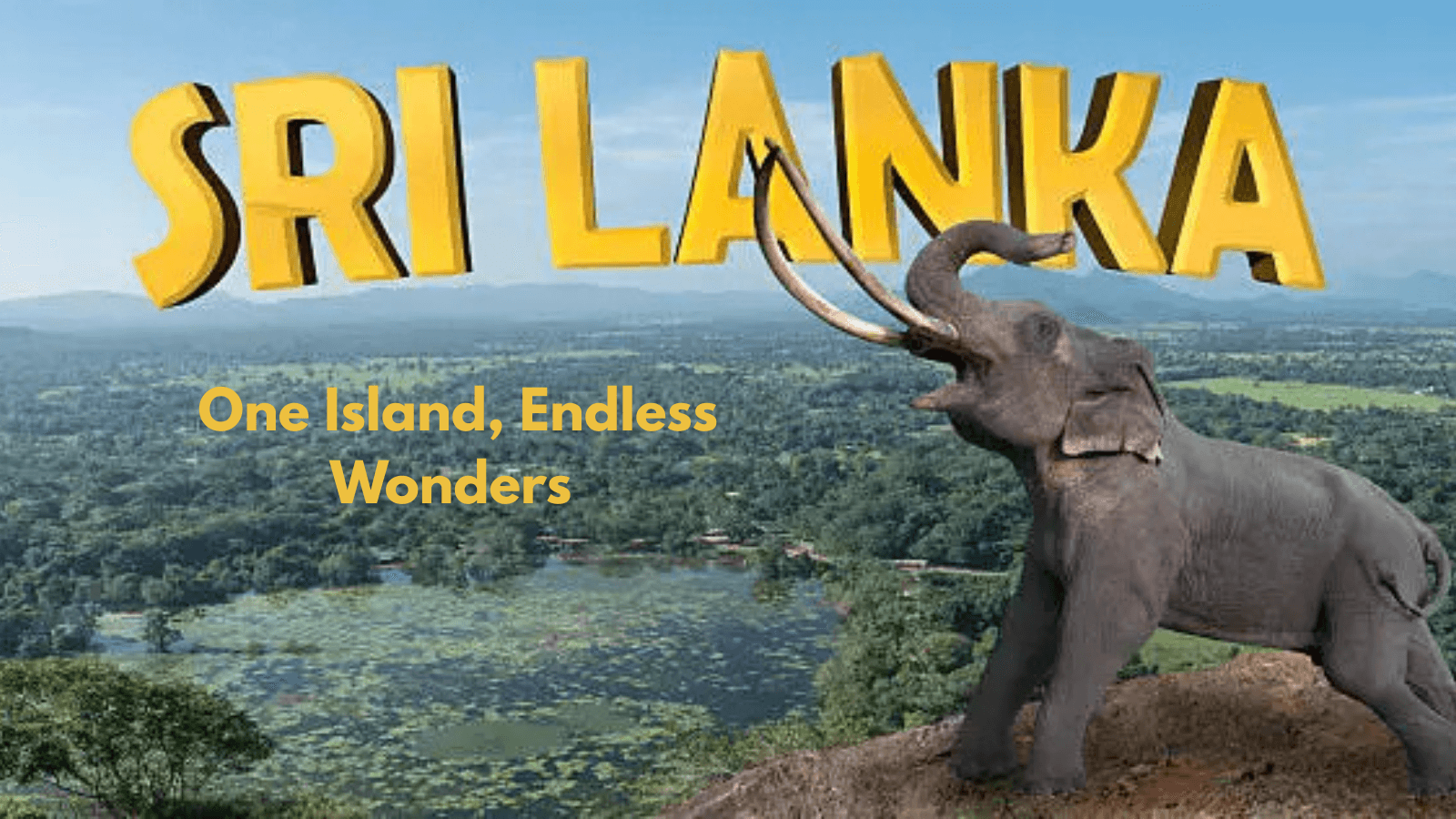

Sri Lanka is a destination where ancient heritage, green mountain landscapes and tropical beaches can be experienced within one relatively compact island.
For Indian travellers looking for an international holiday that combines culture and relaxation, Sri Lanka offers an appealing mix of experiences. A single journey can begin among ancient fortresses and Buddhist heritage, continue through misty tea-growing hills and finish beside the Indian Ocean.
The combination of Sigiriya Rock Fortress, Kandy's hill country and Bentota's beaches creates a well-balanced Sri Lanka holiday.
Sigiriya introduces travellers to one of the country's most important ancient sites. Kandy brings together history, religion, traditional culture and the scenery of Sri Lanka's central highlands. Bentota then changes the pace completely, offering a coastal environment suited to relaxation and water-based activities.
Sri Lanka Tourism describes the island as having a diverse landscape that includes central highland tea plantations, waterfalls, mountain towns, beaches and the ancient sites of the Cultural Triangle.
This makes a cultural and coastal itinerary particularly suitable for families, couples, first-time visitors and travellers who want more than a conventional beach holiday.
Whether you are planning a short international escape or an extended Sri Lanka vacation, this guide explains how to experience the country's history, hill country and coastline in one memorable journey.
Why Choose Sri Lanka for a Cultural and Coastal Holiday?
Sri Lanka offers remarkable variety for its size.
Travellers can explore ancient cities in the central part of the island, visit sacred temples, travel through tea plantations, discover colonial-era towns and relax on tropical beaches.
The country's cultural heritage includes several UNESCO World Heritage Sites. Sri Lanka Tourism identifies Sigiriya, Kandy, Dambulla, Anuradhapura, Polonnaruwa and Galle among the country's important cultural heritage sites.
At the same time, the island's central highlands offer a completely different environment.
The scenery changes from warm tropical surroundings to cool mountain landscapes covered with tea estates.
Then, as the journey continues towards the coast, the landscape changes once again to beaches, palm trees and the Indian Ocean.
This variety allows travellers to experience several different sides of Sri Lanka without needing multiple separate holidays.
Sigiriya Rock Fortress: The Cultural Highlight
Sigiriya is one of the defining attractions of Sri Lanka.
The ancient fortress rises approximately 200 metres above the surrounding landscape and is surrounded by the remains of gardens, reservoirs, walls and other structures.
Sri Lanka Tourism describes Sigiriya as a fifth-century fortress and ancient city with sophisticated water-management systems, landscaped gardens and famous frescoes. The site was designated a UNESCO World Heritage Site in 1982.
For travellers, the approach to Sigiriya is already part of the experience.
The massive rock appears above the surrounding greenery, creating an impressive view before you even begin exploring the site.
Exploring the Sigiriya Gardens
The area around Sigiriya contains extensive ancient gardens.
Visitors can see the remains of water gardens, pools and landscaped areas that demonstrate the sophistication of the ancient settlement.
The gardens also provide a different perspective of the fortress because travellers can appreciate the scale of the rock and the surrounding archaeological landscape before beginning the climb.
Climbing Sigiriya Rock
The climb to the upper sections of Sigiriya involves a considerable number of steps.
Travellers should therefore wear comfortable footwear and carry water.
The climb can be particularly warm during the middle of the day, so starting early can make the experience more comfortable.
The famous Lion's Paw Terrace is one of the most recognisable sections of the route.
The upper area contains the remains of the ancient palace complex and provides expansive views across the surrounding landscape.
Sigiriya Frescoes
The ancient frescoes are another important part of the attraction.
Sri Lanka Tourism highlights the famous paintings and the Mirror Wall as significant elements of the Sigiriya complex.
The frescoes add an artistic dimension to the experience, complementing the architecture, gardens and engineering of the ancient fortress.
The Cultural Triangle of Sri Lanka
Sigiriya is part of the broader cultural landscape of central Sri Lanka.
The Cultural Triangle connects several historically significant sites, including Sigiriya, Dambulla, Polonnaruwa and Anuradhapura.
Sri Lanka Tourism describes the region as an area containing ancient cities, sacred temples, archaeological remains and sophisticated examples of historic engineering.
Travellers with additional time can therefore expand their itinerary beyond Sigiriya.
Dambulla Cave Temple
Dambulla is another important cultural attraction.
The site is famous for its cave temples, Buddhist statues and murals.
It can be combined with Sigiriya because both destinations are located within Sri Lanka's central cultural region.
A visit to Dambulla can provide a quieter contrast to the physical experience of climbing Sigiriya.
Polonnaruwa
Polonnaruwa was one of Sri Lanka's ancient capitals.
Its archaeological remains provide another opportunity to understand the island's historical kingdoms.
Travellers interested in history can add Polonnaruwa to a longer itinerary.
Anuradhapura
Anuradhapura is another ancient capital and an important Buddhist heritage destination.
The city contains large stupas, monasteries and sacred sites.
It requires additional travel time, so it is generally more suitable for longer Sri Lanka itineraries rather than a short cultural-and-coastal trip.
Kandy: Sri Lanka's Cultural Heart
After exploring the ancient sites around Sigiriya, travelling towards Kandy introduces a different side of Sri Lanka.
Kandy was the country's last royal capital and remains an important centre of religion, culture and traditional arts.
Sri Lanka Tourism identifies Kandy as one of the country's UNESCO World Heritage cultural sites and highlights the Temple of the Tooth as an important part of its heritage.
The city sits among hills and is surrounded by lush landscapes.
This combination of cultural attractions and mountain scenery makes Kandy an important stop on a Sri Lanka itinerary.
Temple of the Sacred Tooth Relic
The Temple of the Sacred Tooth Relic, commonly known as Sri Dalada Maligawa, is one of Kandy's most important religious sites.
The temple houses the sacred tooth relic of the Buddha and is an important pilgrimage destination.
Visitors should dress respectfully when entering religious sites.
Shoulders and knees should generally be covered, and footwear may need to be removed in designated areas.
The temple is not simply a sightseeing attraction. It remains an active religious site, so travellers should respect ceremonies and local customs.
Kandy Lake and City Experience
Kandy Lake provides a scenic setting near the city's historic centre.
A walk around the lake can be a pleasant way to experience the city after visiting its cultural attractions.
The surrounding hills create a distinctive landscape that separates Kandy from the flatter coastal areas of Sri Lanka.
The city is also a useful base for exploring nearby attractions and travelling onwards towards the tea-growing regions.
Kandy Tea Hills and Sri Lanka's Tea Country
One of the most memorable transitions on a Sri Lanka journey occurs when the landscape begins climbing into the central highlands.
The warm tropical environment gives way to cooler air, rolling hills and expansive tea plantations.
Sri Lanka Tourism describes the central highlands as an area covered with emerald tea plantations, waterfalls, misty views and mountain towns.
This is the landscape commonly associated with Sri Lankan tea.
Visiting a Tea Plantation
A tea plantation visit allows travellers to understand one of the country's most important agricultural traditions.
Depending on the itinerary, visitors can learn about tea cultivation, processing and grading.
The experience can also provide excellent opportunities for photography because the neatly arranged tea bushes cover the surrounding hills.
Tea Factory Experience
A tea factory visit can add another dimension to the journey.
Travellers can see how freshly harvested tea leaves are processed before becoming the tea products that are exported around the world.
For Indian visitors who are familiar with tea as part of everyday life, seeing its production in the Sri Lankan highlands can be surprisingly interesting.
Nuwara Eliya: The Little England Experience
Travellers with more time can continue from Kandy towards Nuwara Eliya.
The town sits within Sri Lanka's central highlands and is surrounded by tea estates and cool-weather landscapes.
Its colonial architecture and gardens have contributed to its popular nickname, "Little England."
The journey towards Nuwara Eliya is itself part of the experience.
Mountain roads, waterfalls, tea estates and viewpoints create a scenic transition between Kandy and the higher hill country.
Scenic Train Journeys in Sri Lanka
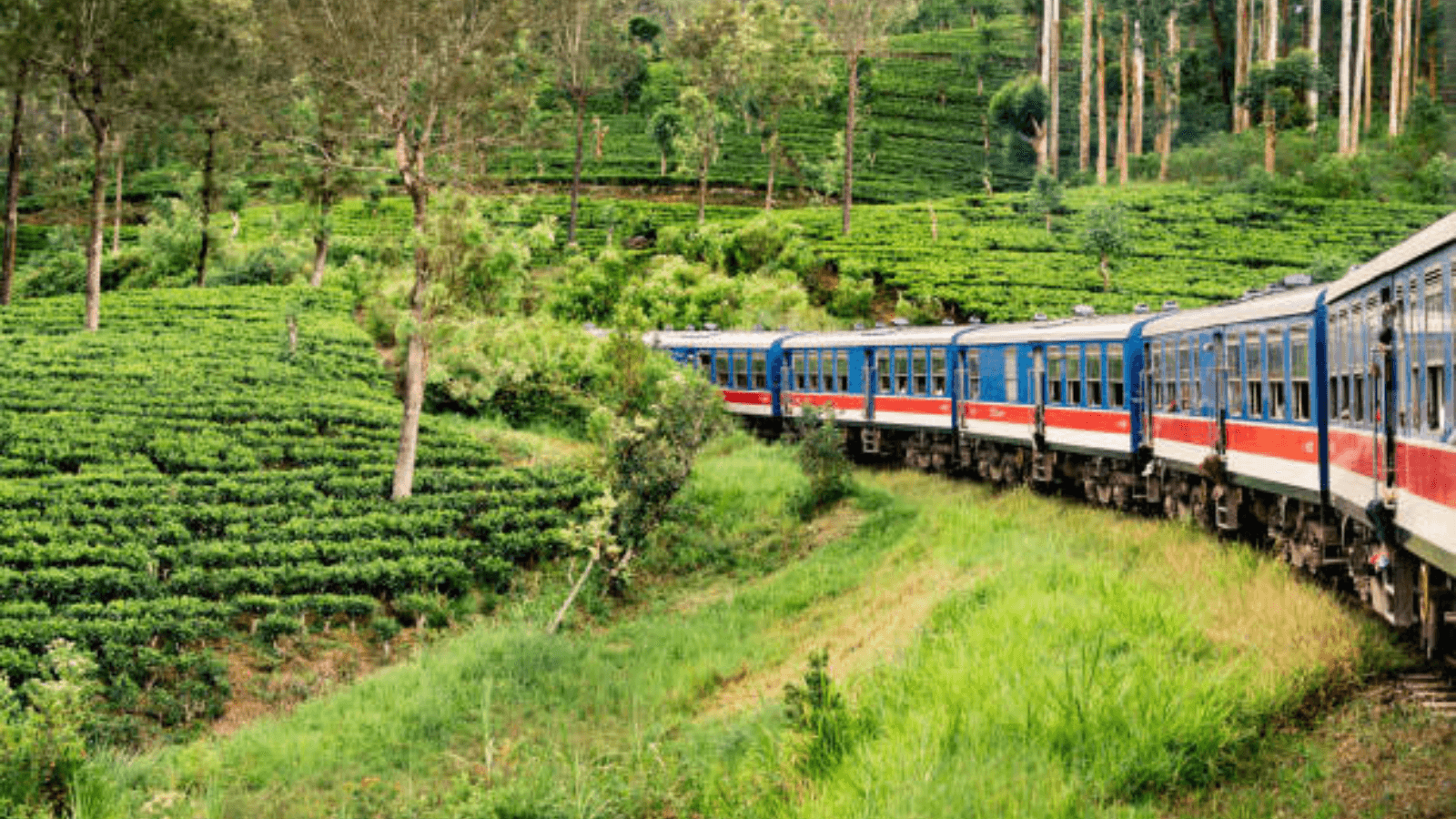
Train travel is another popular way to experience Sri Lanka's hill country.
The journey through the central highlands is known for its views of tea plantations, valleys and mountain landscapes.
Depending on the itinerary and operational conditions, travellers may include a scenic train journey as part of the Kandy and hill-country experience.
Train schedules and seat availability can vary, so travellers should confirm the arrangements for their particular tour.
From the Hills to the Coast
One of the pleasures of a Sri Lanka cultural and coastal itinerary is the change in atmosphere as the journey moves from the central highlands towards the coast.
The cool, misty hills gradually give way to warmer temperatures and tropical vegetation.
Eventually, the Indian Ocean becomes part of the landscape.
This transition makes the second half of the holiday feel very different from the first.
After several days of cultural sightseeing and mountain travel, the beach becomes a natural place to slow down.
Bentota: The Coastal Escape
Bentota is one of Sri Lanka's well-known coastal destinations.
It is particularly suited to travellers who want to combine beach relaxation with water-based activities.
The destination offers a mixture of sandy beaches, river scenery, resorts and opportunities for leisure.
For a cultural and coastal tour, Bentota works well as the relaxing final chapter.
After exploring ancient fortresses and temples, travellers can spend a few days enjoying the coast at a slower pace.
Bentota Beach Experience
The beach is naturally the main attraction for many visitors.
Travellers can spend time walking along the shoreline, relaxing at the resort or watching the sunset.
The pace is very different from sightseeing in cities or climbing Sigiriya.
This makes Bentota particularly attractive for couples and families who want some relaxation after several active travel days.
Water Activities in Bentota
Bentota is also associated with water-based activities.
Depending on weather and local operating conditions, visitors may be able to enjoy activities such as boating, water sports and river experiences.
Travellers should always follow local safety instructions and choose activities appropriate to their experience level.
For families, it is worth checking age and safety requirements before booking water activities.
Bentota River Experience
The Bentota River and surrounding waterways provide another way to experience the coastal environment.
A river excursion can introduce travellers to mangroves, waterways and tropical vegetation.
This gives the coastal portion of the trip more variety than simply spending every day at the beach.
Galle: A Heritage Addition to the Coastal Itinerary
Travellers with additional time can include Galle before or after Bentota.
Galle is known for its historic fort and colonial architecture.
Sri Lanka Tourism identifies the Old Town of Galle and its fortifications as a UNESCO World Heritage Site and describes the fort as an important example of colonial heritage.
Walking through the old streets provides a different cultural experience from Sigiriya and Kandy.
The architecture reflects Sri Lanka's later colonial history, creating a useful contrast with the country's ancient Buddhist and royal heritage.
A Suggested 7-Day Sri Lanka Cultural and Coastal Itinerary
A week is enough to create a balanced introduction to Sri Lanka.
Day 1: Arrival in Sri Lanka
Arrive in Colombo and begin the journey towards the cultural region.
Depending on the arrival time, travellers can either continue towards the first overnight destination or enjoy a short Colombo experience.
Day 2: Sigiriya and Cultural Exploration
Visit Sigiriya Rock Fortress and explore the ancient gardens, archaeological remains and surrounding landscapes.
Spend the evening relaxing at the hotel.
Day 3: Dambulla and Kandy
Visit Dambulla Cave Temple before travelling towards Kandy.
In the evening, explore Kandy and experience the atmosphere around Kandy Lake.
Day 4: Kandy and Tea Country
Visit the Temple of the Sacred Tooth Relic before travelling into the hill country.
Explore a tea plantation or factory and enjoy the cooler mountain surroundings.
Day 5: Kandy to Bentota
Travel towards the coast.
The scenery gradually changes from mountains and tea plantations to tropical lowlands.
Arrive in Bentota and spend the evening relaxing by the beach.
Day 6: Bentota Leisure
Enjoy a relaxed day at Bentota.
Travellers can choose between beach time, resort activities, water sports or a river excursion.
Day 7: Galle and Departure
Depending on the departure time, visit Galle Fort or another nearby attraction before continuing towards the airport.
The exact sequence should be adjusted according to flight timings and road conditions.
A Longer 9-Day Sri Lanka Itinerary
Travellers with more time can slow down the journey and add additional destinations.
A nine-day itinerary can include Colombo, Sigiriya, Dambulla, Kandy, Nuwara Eliya, Bentota and Galle.
This provides more time for tea-country exploration and coastal relaxation.
An alternative route can add wildlife experiences in places such as Yala or Udawalawe.
This type of itinerary is particularly suitable for families and couples who prefer not to change hotels every day.
Sri Lanka for Families
Sri Lanka can be an enjoyable family destination because the country combines cultural attractions, nature and beaches.
Children can learn about ancient history at Sigiriya and Dambulla.
The hill country provides opportunities to see tea plantations and waterfalls.
The coastal portion provides time for relaxation and water-based activities.
Families should avoid creating an itinerary that is too packed.
A little additional leisure time can make a major difference, especially when travelling with young children.
Sri Lanka for Couples
Sri Lanka is also well suited to couples.
The combination of cultural exploration, scenic hill country and beach relaxation creates plenty of variety.
Couples can explore ancient sites together, enjoy tea-country scenery and finish the holiday at a beach resort.
A private vehicle and flexible itinerary can make the experience more relaxed than following a tightly scheduled group itinerary.
Sri Lanka for First-Time International Travellers
Sri Lanka can be an attractive option for Indian travellers taking their first international holiday.
The relatively short travel distance from India, familiar food options, cultural similarities and wide variety of attractions make it accessible while still providing a distinctly international experience.
Travellers can experience a different currency, landscape, wildlife environment and cultural setting without travelling extremely far from India.
For first-time international travellers, a professionally organised package can also simplify airport transfers, accommodation, sightseeing and transportation.
Sri Lankan Food to Try
A Sri Lanka holiday is also an opportunity to experience local cuisine.
Rice and curry is one of the country's best-known meal combinations.
Travellers can also try hoppers, string hoppers, kottu and various seafood dishes.
Coconut, spices and fresh ingredients feature prominently in Sri Lankan cooking.
Indian travellers will find some familiar flavours, although Sri Lankan cuisine has its own distinct character.
Vegetarian travellers can also find suitable options, but it is useful to communicate dietary preferences when arranging hotels and meals.
Sri Lanka Visa and ETA Information for Indian Travellers
Visa and entry requirements should always be checked before travelling because regulations can change.
As of the latest official Sri Lankan immigration information, India is among the 40 countries whose nationals are eligible, from 25 May 2026, for a tourist ETA free of charge for a 30-day period under the current scheme. The official ETA website also states that travellers intending to visit Sri Lanka should obtain the applicable ETA before arrival.
The official Sri Lanka ETA guidance states that tourist ETA holders receive a 30-day short-visit visa with double entry under the relevant tourist arrangement.
The immigration authority also states that travellers should have a passport valid for at least six months from the date of arrival, a confirmed return ticket and sufficient funds to cover their stay.
Travellers should apply through the official Sri Lankan ETA system and verify the latest rules before departure.
Best Time to Visit Sri Lanka
Sri Lanka can be visited at different times of the year because weather patterns vary between regions.
For a cultural and coastal holiday, travellers should consider the specific coast they are visiting and the season.
The central highlands can be cooler than the lowlands throughout the year.
Coastal conditions can vary depending on the monsoon cycle.
For this reason, there is no single month that is universally perfect for every Sri Lanka itinerary.
Before booking, check the expected weather for Sigiriya, Kandy and Bentota separately.
What to Pack for Sri Lanka
Packing for a Sri Lanka cultural and coastal holiday requires a mixture of comfortable sightseeing clothes and beachwear.
Lightweight clothing is useful for the warmer lowland areas.
A light jacket or sweater can be useful in the hill country.
Comfortable walking shoes are important for Sigiriya and other heritage attractions.
Sandals or beach footwear are useful for Bentota.
Sunscreen, sunglasses and a hat can help during outdoor sightseeing.
A small umbrella or rain jacket can also be useful because tropical weather can change quickly.
Travellers visiting temples should carry clothing that allows shoulders and knees to be covered when required.
How to Travel Comfortably Around Sri Lanka
Sri Lanka's roads connect the country's major tourist destinations, but travel times can vary depending on traffic, road conditions and weather.
A private vehicle with a driver or an organised tour vehicle can make multi-destination travel more convenient.
This is particularly useful for first-time visitors because the itinerary can be coordinated around hotel check-in times and sightseeing schedules.
Travellers should avoid judging distances only by the number of kilometres.
Mountain roads and traffic can make journeys take longer than expected.
A realistic itinerary should therefore allow enough time between destinations.
Why Choose TrawelMart for a Sri Lanka Holiday?
Planning a Sri Lanka holiday independently means coordinating hotels, transportation, sightseeing, activities and airport transfers.
A professionally arranged tour can simplify these details and allow travellers to focus more on the experience.
TrawelMart offers international holiday packages and customised travel options that can be adapted around destinations, accommodation, activities, duration and transportation.
For Indian travellers, this can be particularly useful when creating a Sri Lanka itinerary that combines cultural attractions with a few days of beach relaxation.
A standard itinerary can cover the major highlights, while a customised holiday can provide more flexibility for families, couples and private groups.
For example, a family may prefer additional leisure time between Sigiriya and Kandy.
A couple may want a private vehicle and a longer Bentota stay.
A group may prefer coordinated transportation and accommodation throughout the journey.
The itinerary can be planned according to the travellers' available time and preferred experiences.
Final Thoughts
A Sri Lanka cultural and coastal tour brings together some of the island's most memorable experiences.
Sigiriya introduces travellers to an extraordinary ancient fortress rising above the surrounding landscape.
Kandy adds religious heritage, traditional culture and the atmosphere of Sri Lanka's central highlands.
The tea-growing regions provide misty mountains, green plantations and scenic journeys.
Bentota then offers a complete change of pace with beaches, tropical surroundings and opportunities for relaxation.
For travellers with additional time, Dambulla, Nuwara Eliya, Galle and other destinations can be added to create a more extensive itinerary.
The biggest advantage of this style of holiday is variety.
One trip can include ancient history, religious heritage, mountain scenery, tea plantations, local food and tropical beaches.
For Indian travellers, Sri Lanka also offers the convenience of a relatively close international destination with current official ETA arrangements that include India in the 30-day fee-free tourist ETA scheme effective from 25 May 2026.
Whether you are travelling as a family, couple, group or first-time international traveller, a well-planned Sri Lanka itinerary can provide a balanced holiday without feeling repetitive.
From the ancient heights of Sigiriya to the green tea hills around Kandy and the relaxing beaches of Bentota, Sri Lanka offers a journey that combines culture, scenery and the coast in one unforgettable island experience.
Visa rules, entry requirements, attraction timings, hotel availability and tour inclusions can change. Travellers should verify the latest official requirements and final TrawelMart package details before booking.