
Japan is beautiful in every season, but spring brings something truly special. As winter begins to disappear, cherry trees across the country burst into delicate shades of pink and white, transforming parks, streets, temples, riverbanks, and gardens into breathtaking landscapes.
For travelers planning a Japan holiday, cherry blossom season is one of the most popular times to experience the country. It is not only about seeing flowers. Spring in Japan brings together traditional culture, beautiful scenery, seasonal food, outdoor celebrations, and some of the country's most famous destinations.
A Japan cherry blossom holiday can take you from the energetic streets and futuristic skyline of Tokyo to the peaceful surroundings of Mount Fuji and then into the historic streets and temples of Kyoto.
This combination makes Japan an excellent destination for couples, families, photographers, first-time visitors, and travelers who want to experience both modern and traditional Japan in one journey.
Why Visit Japan During Cherry Blossom Season?
Cherry blossoms, known as sakura, are deeply connected with Japanese culture. Their short blooming period is often associated with the beauty and temporary nature of life.
During the season, people gather with friends and family for hanami, or flower viewing. Parks become lively with people enjoying food, conversation, photography, and the beauty of the blossoms.
For visitors, this creates an opportunity to experience Japan in a completely different atmosphere.
A normal city park can suddenly become one of the most beautiful places in Tokyo. A temple garden in Kyoto can look almost magical beneath flowering trees. Even an ordinary train journey can become memorable when pink blossoms appear outside the window.
However, cherry blossom timing varies depending on the location and weather. Travelers should avoid assuming that the entire country blooms at exactly the same time. Southern and warmer areas generally bloom earlier, while northern and higher-altitude regions can bloom later.
Because the season is highly popular, accommodation and transportation should be planned well in advance.
Begin Your Journey in Tokyo
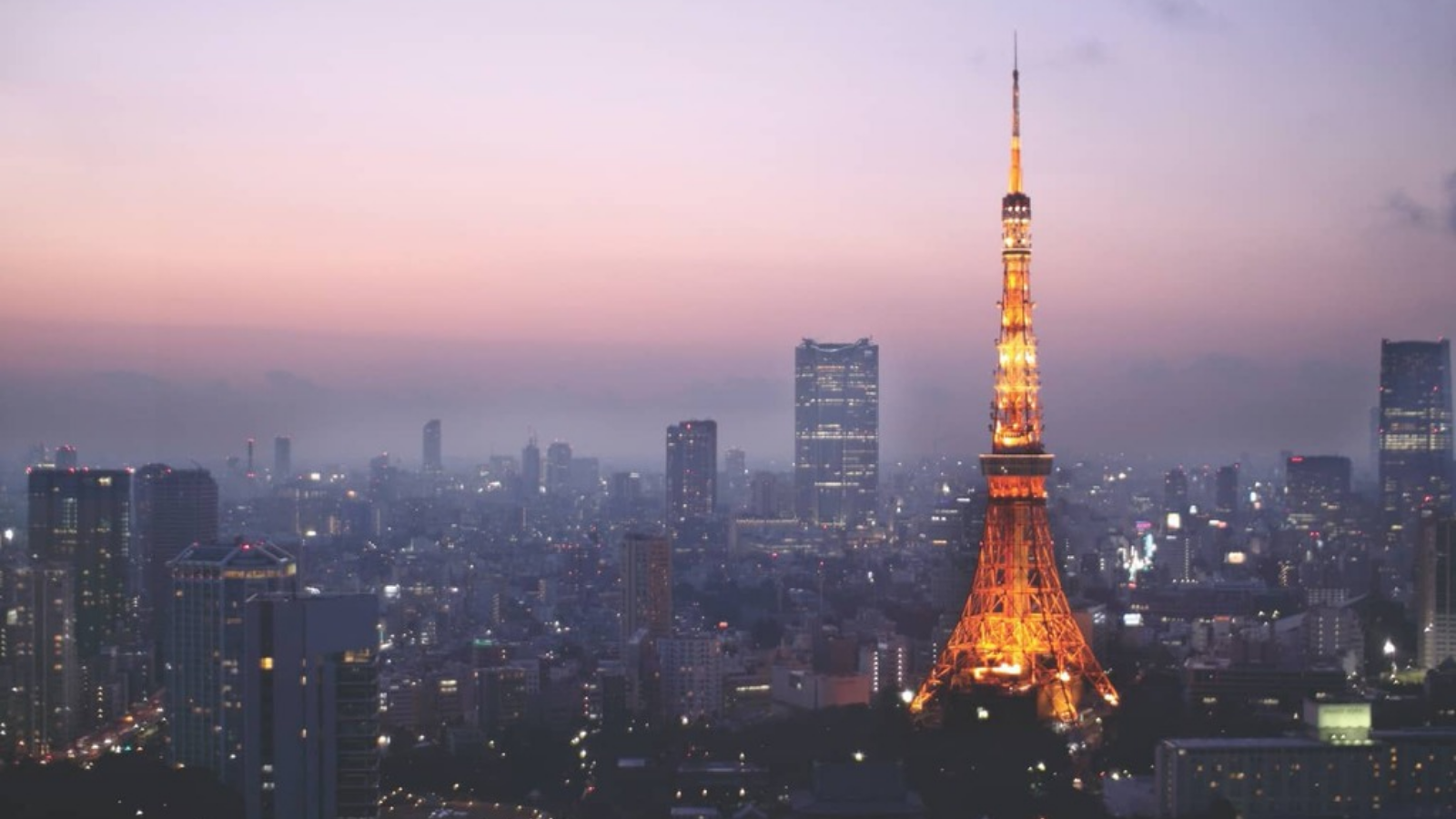
Tokyo is often the first stop for travelers arriving in Japan.
The city provides an exciting introduction to the country, combining modern architecture, shopping districts, traditional neighbourhoods, technology, food, and entertainment.
During cherry blossom season, Tokyo becomes even more attractive.
The contrast between delicate sakura and the city's enormous skyline creates some of the most memorable photographs you can take in Japan.
Spend a few days exploring Tokyo rather than trying to see everything in one day. The city is enormous, and different neighbourhoods offer completely different experiences.
From Shibuya and Shinjuku to Asakusa and Ueno, every area has its own character.
See the Tokyo Skyline from Shibuya
Shibuya is one of the most recognizable areas of Tokyo.
The famous Shibuya Crossing represents the energy of the city, with thousands of people moving through the intersection throughout the day.
For travelers interested in city views, Tokyo offers several observation decks where you can see the skyline from above.
The contrast between modern skyscrapers and the traditional elements of other Tokyo neighbourhoods makes the city particularly interesting to explore.
At night, Tokyo becomes a completely different experience. Neon signs, illuminated buildings, restaurants, and busy streets create an atmosphere that is almost the opposite of the peaceful cherry blossom parks.
This combination of modern city life and seasonal nature is one of the things that makes Tokyo special.
Enjoy Cherry Blossoms in Tokyo Parks
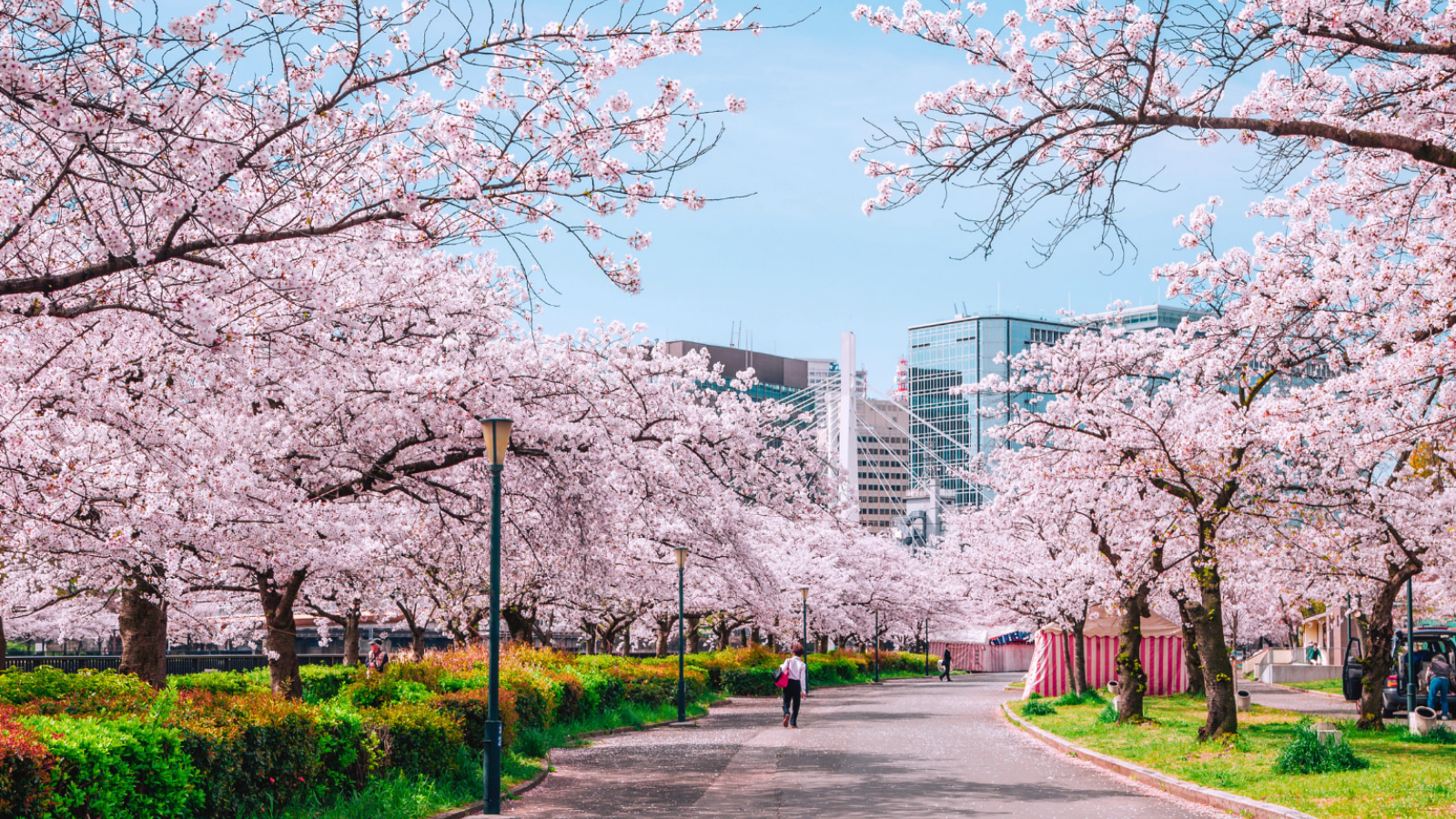
Tokyo has several excellent places for cherry blossom viewing.
Ueno Park is one of the city's most famous hanami locations. During the sakura season, the park becomes particularly lively as visitors gather beneath the flowering trees.
The Meguro River is another popular location. Cherry trees line sections of the river, creating a beautiful walking route.
Shinjuku Gyoen provides a different experience, with spacious gardens and multiple varieties of cherry trees. Because different varieties bloom at different times, the park can offer a longer viewing period than some individual locations.
Yoyogi Park is also popular with locals and visitors.
If you want a quieter experience, consider visiting early in the morning. Popular locations can become extremely busy during peak bloom periods.
Explore Traditional Tokyo in Asakusa
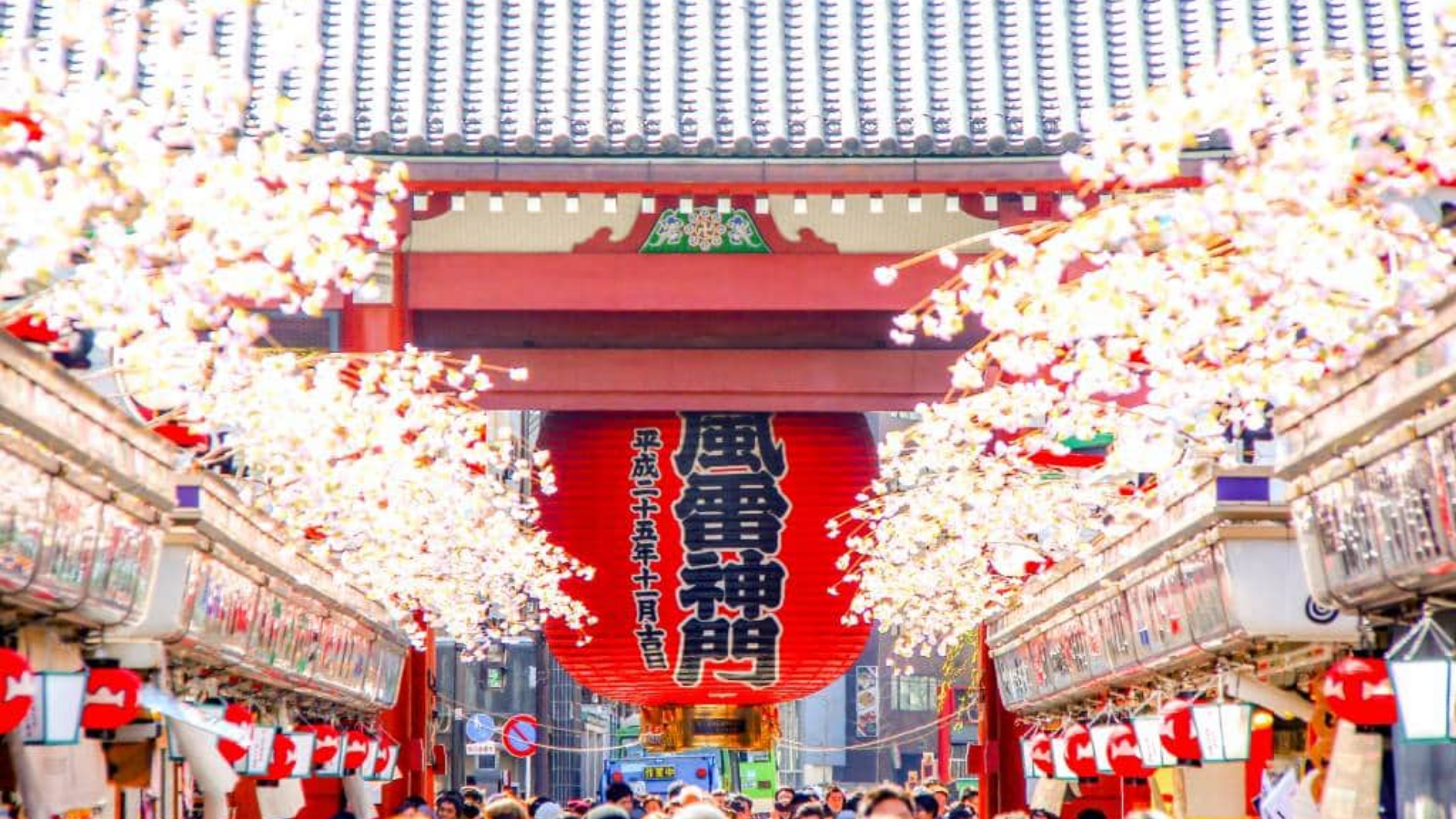
After experiencing Tokyo's modern skyline, travel to Asakusa for a more traditional atmosphere.
Senso-ji Temple is one of Tokyo's most famous landmarks. The temple complex and surrounding streets provide a glimpse into the city's historic side.
Nakamise-dori, the shopping street leading toward the temple, is filled with souvenir shops and traditional snacks.
You can spend a few hours exploring the area, trying local food, and visiting the temple before continuing to another part of the city.
During cherry blossom season, the contrast between traditional architecture and spring flowers can make the area especially photogenic.
Travel Toward Mount Fuji
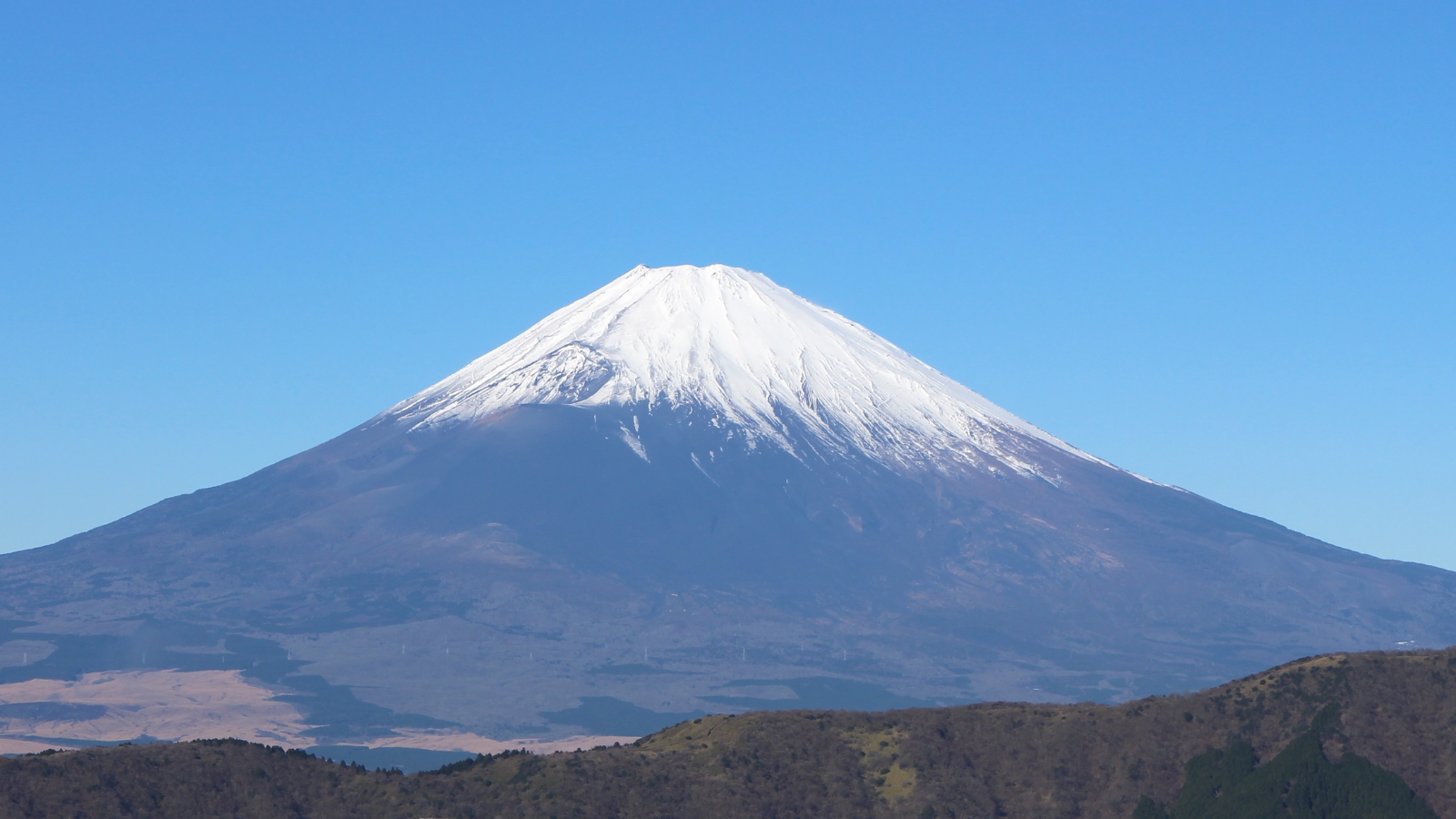
No Japan itinerary feels complete without seeing Mount Fuji.
Japan's highest mountain is one of the country's most recognizable symbols. Its symmetrical volcanic shape has inspired artists, photographers, and travelers for generations.
Mount Fuji can be viewed from several locations, and the experience depends heavily on weather conditions.
The Fuji Five Lakes region is particularly popular because the lakes can provide beautiful views of the mountain.
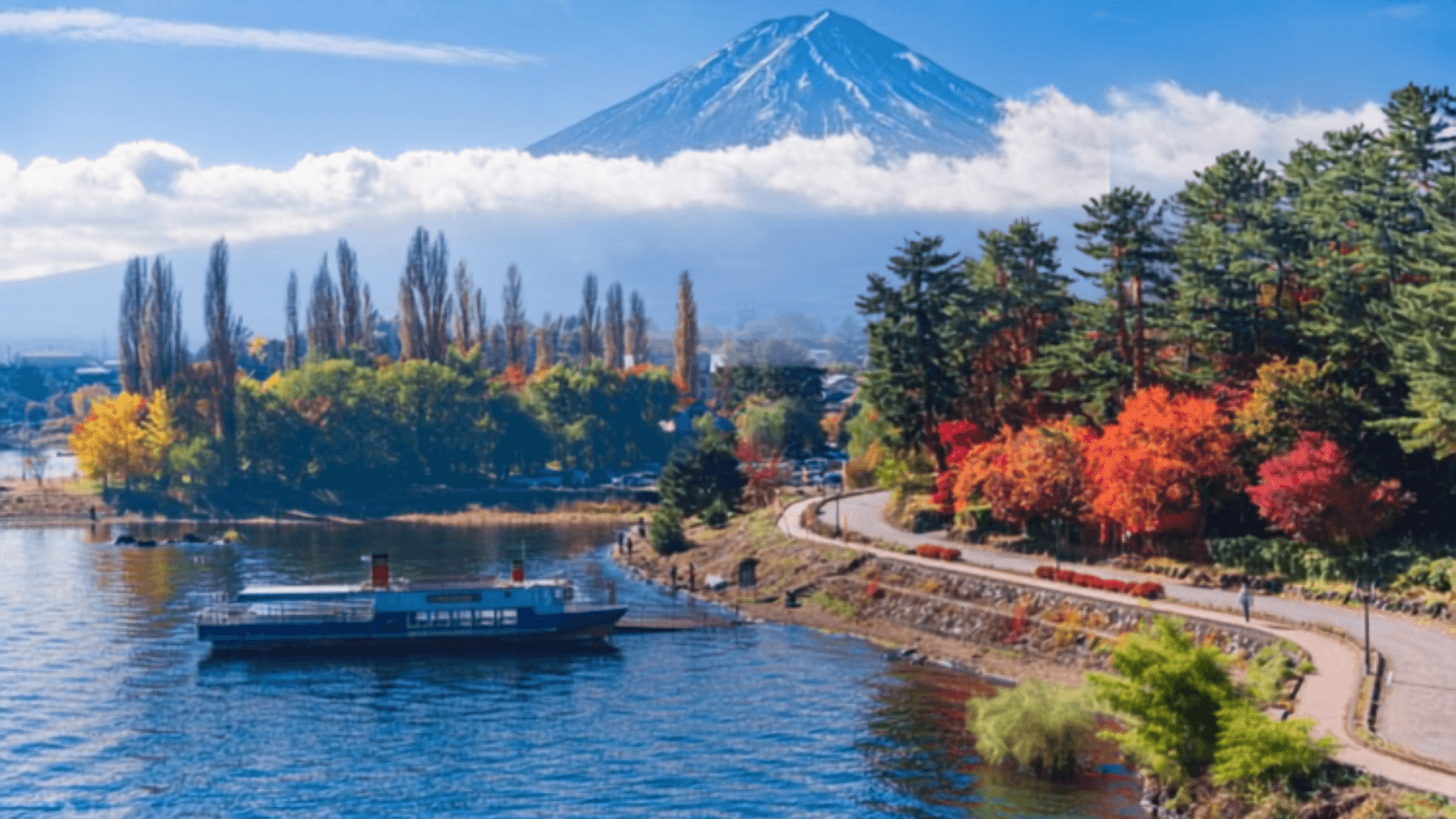
Lake Kawaguchi is one of the easiest destinations to include in a Fuji-area itinerary and offers several viewpoints.
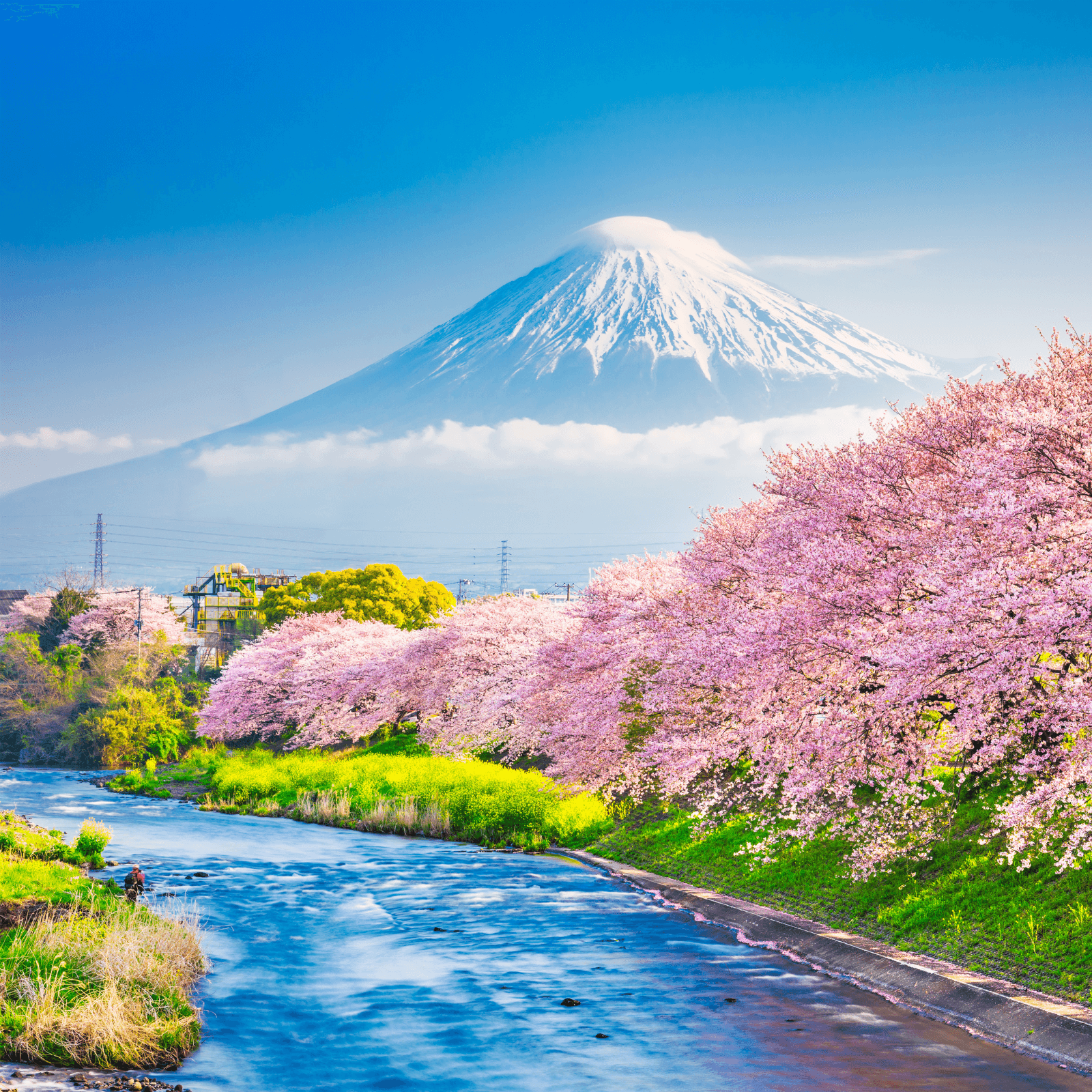
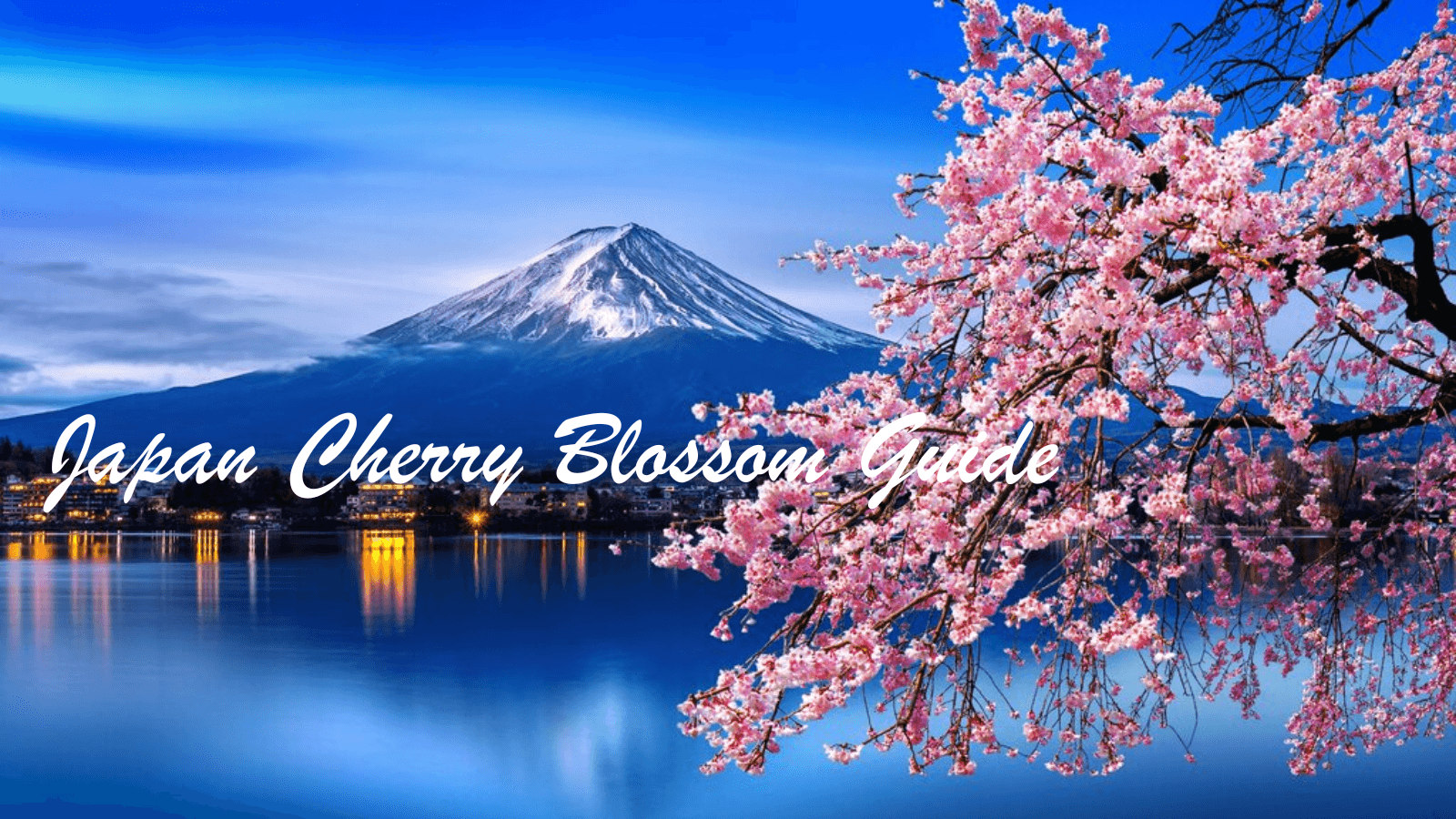
During cherry blossom season, the combination of Mount Fuji, flowering trees, and the lake can create the classic Japanese landscape many travelers dream of seeing.
Experience the Fuji Five Lakes Region
The Fuji Five Lakes area provides more than simply a viewpoint of the mountain.
Travelers can explore lakes, parks, walking routes, traditional villages, and viewpoints around the region.
Lake Kawaguchi is particularly convenient for visitors and offers a range of accommodation and sightseeing options.
If you are visiting during spring, check local bloom conditions before deciding where to go. The timing of cherry blossoms around Mount Fuji can differ from Tokyo and Kyoto.
Weather is equally important.
Mount Fuji is frequently hidden by clouds, particularly later in the day. Early mornings can sometimes provide better visibility, although there is no guarantee.
If seeing Mount Fuji is one of your main priorities, consider staying overnight in the region instead of visiting only as a day trip.
Stay in a Traditional Ryokan
For travelers who want a more authentic Japanese experience, staying in a ryokan can be a wonderful addition to a Japan holiday.
Ryokans are traditional Japanese inns that often feature tatami rooms, futon bedding, Japanese meals, and, in some locations, access to hot-spring baths.
A stay around the Mount Fuji area can combine mountain views with traditional Japanese hospitality.
Remove your shoes when required, follow the property's etiquette, and take time to enjoy the experience rather than treating it as simply another hotel.
For couples, a ryokan stay can also add a romantic element to the trip.
Continue to Historic Kyoto
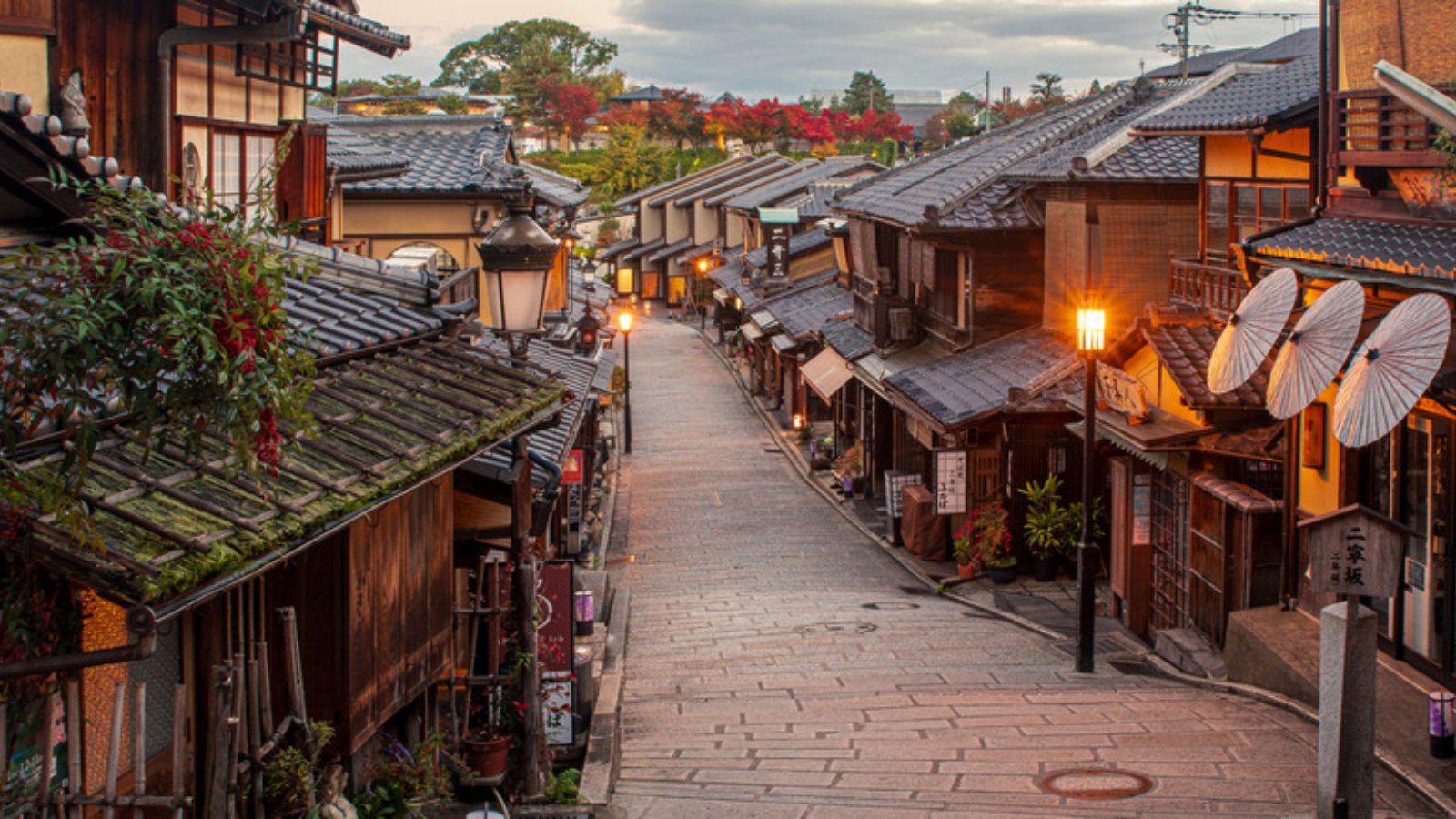
After the modern energy of Tokyo and the natural beauty around Mount Fuji, Kyoto introduces another side of Japan.
Kyoto was Japan's imperial capital for centuries and is famous for temples, shrines, traditional streets, gardens, tea houses, and historic neighbourhoods.
During cherry blossom season, Kyoto becomes especially beautiful.
The combination of old wooden buildings, stone paths, traditional gardens, and flowering trees makes the city feel very different from Tokyo.
Kyoto has many attractions, so avoid trying to visit them all in a single day.
Instead, divide the city into areas and explore each at a comfortable pace.
Visit Kiyomizu-dera Temple
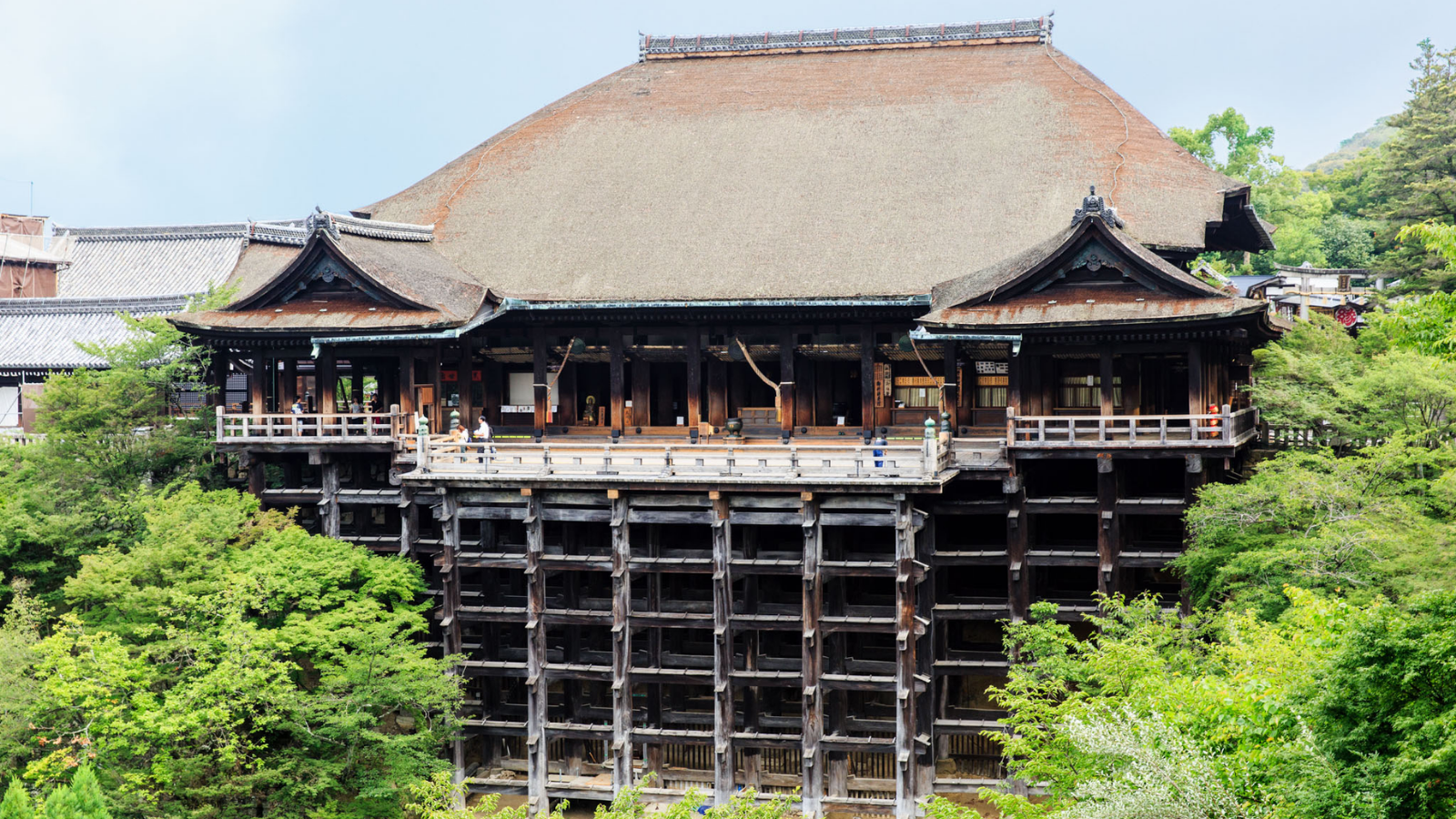
Kiyomizu-dera is one of Kyoto's most famous temples.
The temple sits on the eastern hills of Kyoto and is known for its wooden stage and panoramic views over the city.
During spring, cherry blossoms around the temple and surrounding hills can create beautiful scenery.
The approach to the temple is also part of the experience. Traditional shops and narrow streets lead toward the complex, offering opportunities to purchase souvenirs and try Japanese snacks.
Visit early if possible because the area becomes busy later in the day.
Explore Fushimi Inari Taisha
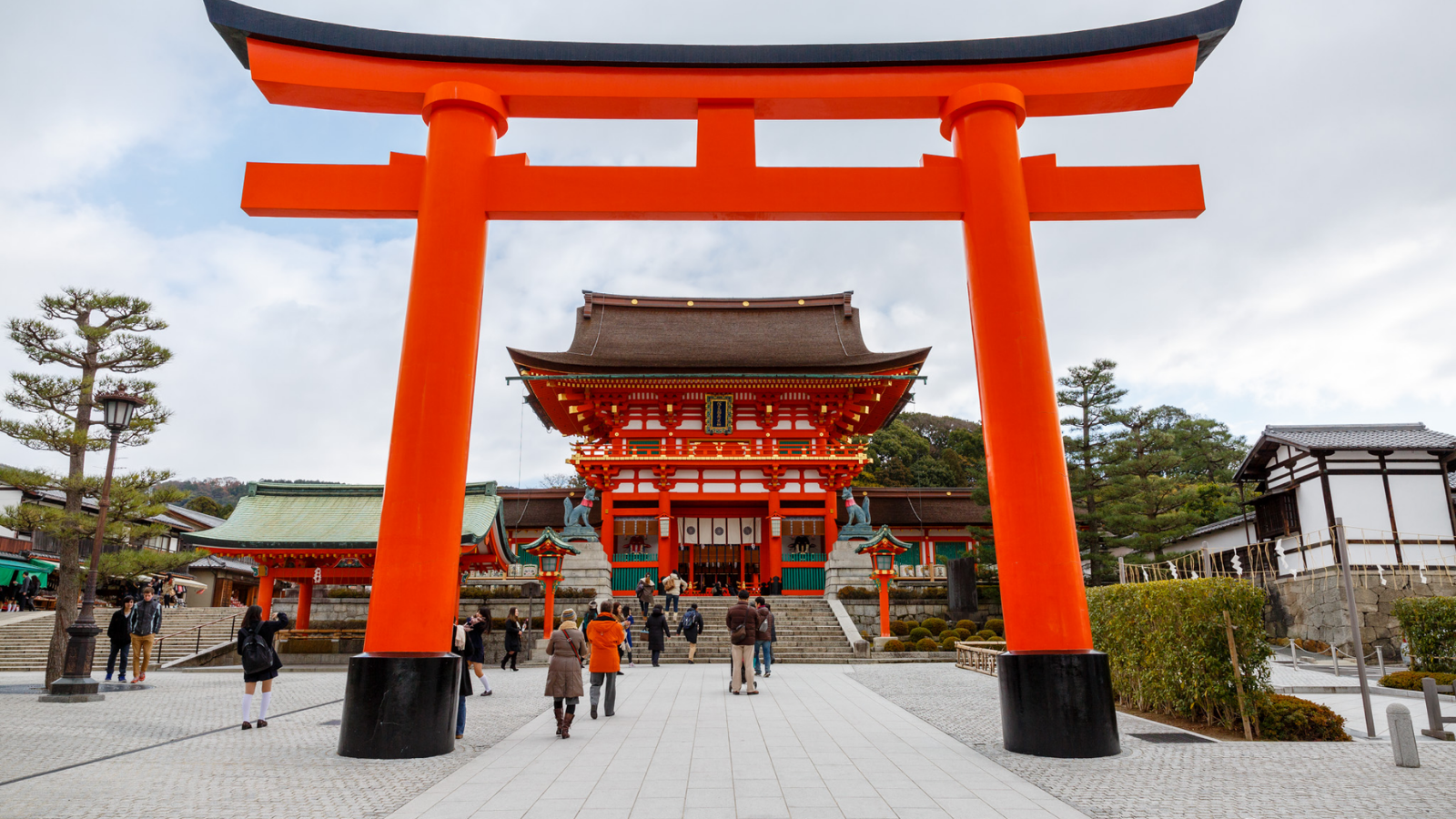
Fushimi Inari Taisha is famous for its thousands of bright torii gates winding up the hillside.
The shrine is dedicated to Inari, associated with rice and prosperity, and fox statues can be found throughout the grounds.
Unlike a typical sightseeing attraction, Fushimi Inari is a place where the journey through the gates is part of the experience.
You do not have to walk all the way to the top of the mountain. Even exploring the lower sections provides plenty of opportunities for photographs and quiet moments.
Early morning is generally a good time to visit if you want to experience the shrine with fewer crowds.
Walk Through Arashiyama
Arashiyama is another famous Kyoto destination.
The area is known for its bamboo grove, temples, river scenery, traditional streets, and surrounding mountains.
The Arashiyama Bamboo Grove is one of Kyoto's most photographed attractions, but there is much more to the district.
Visit the nearby temples, walk along the Katsura River, and explore the traditional streets.
During spring, the surrounding landscape becomes even more attractive as trees begin to bloom.
If you want a quieter experience, arrive early in the morning.
Discover Kyoto's Cherry Blossom Spots
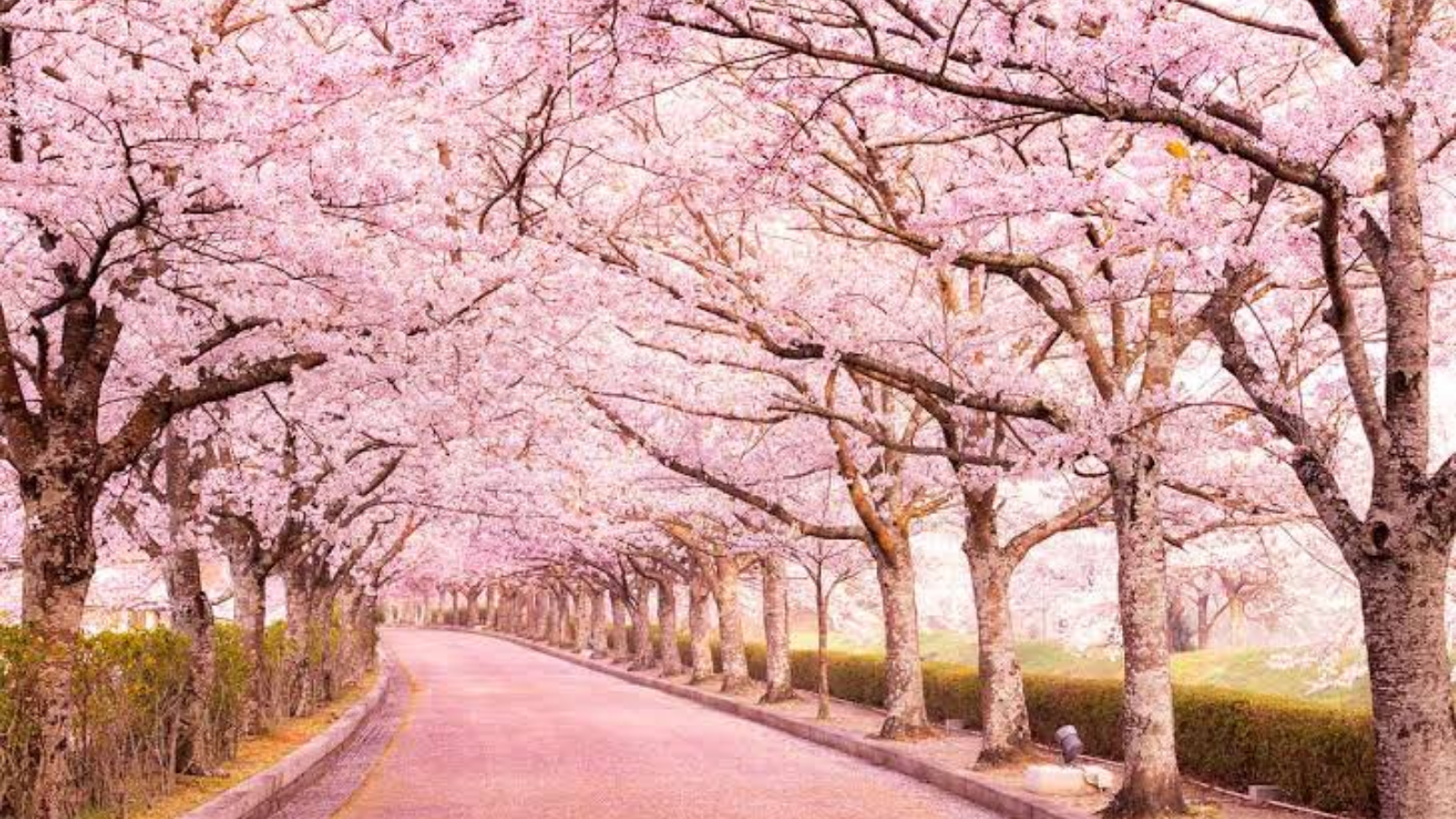
Kyoto offers many beautiful places for sakura viewing.
The Philosopher's Path is one of the most famous. The walking route follows a canal lined with cherry trees and connects several important temples.
Maruyama Park is another popular hanami destination, particularly in the evenings when people gather beneath illuminated cherry trees.
The grounds around Heian Shrine can also be beautiful during spring, while gardens around several temples offer a quieter way to appreciate the season.
One of the best things about Kyoto's cherry blossom experience is that you do not necessarily need to visit a famous park.
Sometimes you will discover beautiful trees while simply walking through a residential street or temple neighbourhood.
Experience Japanese Food During Spring
Food is an important part of any Japan holiday, and spring introduces seasonal flavours and ingredients.
Traditional Japanese cuisine changes throughout the year, and restaurants may feature seasonal ingredients during cherry blossom season.
You can try sushi, ramen, tempura, yakitori, soba, udon, and other Japanese favourites.
For something seasonal, look for sakura-inspired sweets and drinks. Japanese bakeries, cafés, and convenience stores often introduce limited seasonal products during spring.
Do not limit your food experience to expensive restaurants.
Local markets, small neighbourhood restaurants, food halls, and street stalls can provide some of the most memorable meals.
Experience a Traditional Japanese Tea Ceremony
A tea ceremony can provide a peaceful break from busy sightseeing.
The Japanese tea ceremony is based around the preparation and serving of matcha, with an emphasis on mindfulness, hospitality, and carefully performed movements.
Kyoto is one of the best places to experience this tradition.
Even if you know little about Japanese tea culture, participating in a ceremony can help you understand another aspect of the country's traditions.
It is particularly enjoyable after spending a busy morning exploring temples and crowded tourist areas.
Best Time to See Cherry Blossoms in Japan
Cherry blossom timing is one of the most important factors when planning this trip.
The season does not begin on the same date every year, and blooming progresses across Japan.
Tokyo and Kyoto generally experience their main cherry blossom season around late March to early April, but exact dates can vary according to weather.
Mount Fuji and higher-altitude areas can have different timing.
Because the peak bloom window can be relatively short, travelers should monitor official forecasts and local updates as their travel dates approach.
Do not book your entire trip based on one predicted date months in advance without checking updated forecasts closer to departure.
How to Plan a Japan Cherry Blossom Holiday
A Japan cherry blossom trip requires more planning than an ordinary vacation because spring is one of the country's busiest travel periods.
Book hotels early, particularly in Tokyo and Kyoto.
Train reservations should also be considered if you are traveling between multiple cities.
Try to group attractions by location. Tokyo and Kyoto are both large enough that crossing the city repeatedly can waste several hours.
For Mount Fuji, consider staying overnight if you want a better chance of seeing the mountain in clear weather.
Keep some flexibility in your itinerary for cherry blossom viewing. If a particular park is not yet at peak bloom, you may be able to visit another location where the flowers are further along.
What to Pack for Japan in Spring
Spring weather in Japan can be unpredictable.
Temperatures may feel comfortable during the day but become chilly in the morning and evening.
Layered clothing is therefore useful.
Comfortable walking shoes are essential because Japan holidays often involve considerable walking, particularly around train stations and sightseeing areas.
Carry a light jacket, compact umbrella, power adapter, sunscreen, and a small day bag.
If photography is important to you, bring extra storage and batteries because you will likely take many photographs.
Japan Travel Tips for First-Time Visitors
Japan's public transportation system is one of its biggest advantages for travelers.
Trains and local transportation make it possible to travel between major cities and tourist destinations efficiently.
However, large stations can initially feel confusing. Give yourself extra time when changing trains, especially if you are carrying luggage.
Be respectful of local etiquette. Keep noise low on public transportation, follow queues, and observe signs and instructions.
When visiting temples and shrines, pay attention to local customs and dress appropriately.
Japan is generally very convenient for travelers, but learning a few basic Japanese expressions such as "Arigatou" for thank you can make everyday interactions more pleasant.
A Sample Japan Cherry Blossom Itinerary
For a nine-day Japan trip, you could structure the journey like this:
Day 1: Arrive in Tokyo and relax.
Day 2: Explore Tokyo's modern districts and skyline.
Day 3: Visit Tokyo's major cherry blossom locations and traditional Asakusa.
Day 4: Travel toward the Mount Fuji region.
Day 5: Explore Lake Kawaguchi and enjoy Mount Fuji views.
Day 6: Travel to Kyoto and explore the historic city.
Day 7: Visit Kiyomizu-dera, Gion, and nearby cherry blossom locations.
Day 8: Explore Fushimi Inari and Arashiyama.
Day 9: Enjoy some final Kyoto sightseeing and begin your return journey.
For travelers with more time, Osaka, Nara, Hiroshima, or additional Alpine and cultural destinations can be added.
Why Choose TrawelMart for Your Japan Holiday?
Planning Japan during cherry blossom season can be challenging because the peak period is popular and accommodation, trains, and major attractions can become busy.
TrawelMart can help travelers plan a Japan holiday around their preferred destinations, duration, hotel category, and experiences.
A customized Japan tour package can combine Tokyo sightseeing with Mount Fuji, Kyoto temples, traditional cultural experiences, shopping, food, and seasonal attractions.
Couples may want a romantic itinerary featuring cherry blossom parks, a Mount Fuji stay, traditional accommodation, and Kyoto's historic streets.
Families can focus on comfortable transportation, interactive attractions, parks, and easy sightseeing.
First-time visitors can choose a balanced itinerary covering the most important highlights without trying to see the entire country in one trip.
The goal is to create a holiday that allows you to experience Japan rather than simply rush through a checklist of attractions.
Final Thoughts
A Japan cherry blossom holiday is a journey through contrasts.
Tokyo introduces you to towering skyscrapers, neon streets, advanced technology, and energetic city life. Mount Fuji brings you closer to Japan's natural beauty, with lakes, mountains, traditional villages, and peaceful landscapes. Kyoto then takes you back through centuries of Japanese culture, with temples, shrines, gardens, tea houses, and historic streets.
And throughout the journey, cherry blossoms provide a beautiful seasonal connection.
They appear beside busy city roads, around quiet temples, along rivers, and beneath mountain landscapes. Their short blooming period is part of what makes the experience so special.
For travelers planning their first Japan tour, spring offers an opportunity to experience several sides of the country at once.
Take time to walk through Tokyo's parks, watch Mount Fuji from a lakeside viewpoint, explore Kyoto's temples, taste seasonal Japanese food, and simply enjoy the atmosphere of spring.
With careful planning and the right itinerary through TrawelMart, your Japan holiday can become more than a sightseeing trip. It can be a memorable journey through modern cities, ancient traditions, dramatic landscapes, and one of the world's most beautiful spring seasons.