
There are some destinations that you visit for a holiday, and there are others that feel like a journey into another time. Siem Reap in Cambodia belongs to the second category. Surrounded by ancient temples, tropical landscapes, traditional villages, lively markets, and a fascinating local culture, Siem Reap is one of Southeast Asia’s most memorable destinations.
At the heart of the region is Angkor Archaeological Park, home to the magnificent Angkor Wat and a collection of historic temples that tell the story of the Khmer Empire. From the enormous towers of Angkor Wat to the mysterious stone faces of Bayon and the tree-covered ruins of Ta Prohm, every temple has its own character.
For many travelers, Ta Prohm is especially familiar because of its connection with the movie Lara Croft: Tomb Raider. The combination of ancient stone walls and enormous tree roots has made it one of Cambodia’s most recognizable sights. But there is much more to Ta Prohm and Siem Reap than a famous movie location.
A trip here is an opportunity to understand ancient Khmer architecture, discover Cambodia’s cultural traditions, taste local food, meet local people, and experience one of the most remarkable archaeological landscapes in Asia.
If you are planning a Cambodia holiday or looking for an unforgettable Southeast Asia trip, Siem Reap deserves a place on your travel list.
Why Visit Siem Reap?
Siem Reap is best known as the gateway to Angkor, but the city itself has plenty to offer. It combines history, culture, food, shopping, entertainment, and local experiences in a way that makes it easy to spend several days here.
The main attraction is, of course, Angkor Archaeological Park. The wider Angkor site covers around 400 square kilometres and contains the remains of several capitals of the Khmer Empire, along with temples, reservoirs, canals, roads, and other ancient structures. It represents centuries of Khmer architecture, art, religion, and urban development.
This means that visiting Angkor Wat alone does not tell the entire story. The surrounding temples help travelers understand how large and sophisticated the Khmer civilization was.
TrawelMart’s current Siem Reap offerings reflect this wider experience, combining major Angkor temples with cultural activities, local life, Tonle Sap experiences, and other attractions. Its Cambodia itineraries are designed for travelers who want more than just a quick temple visit.
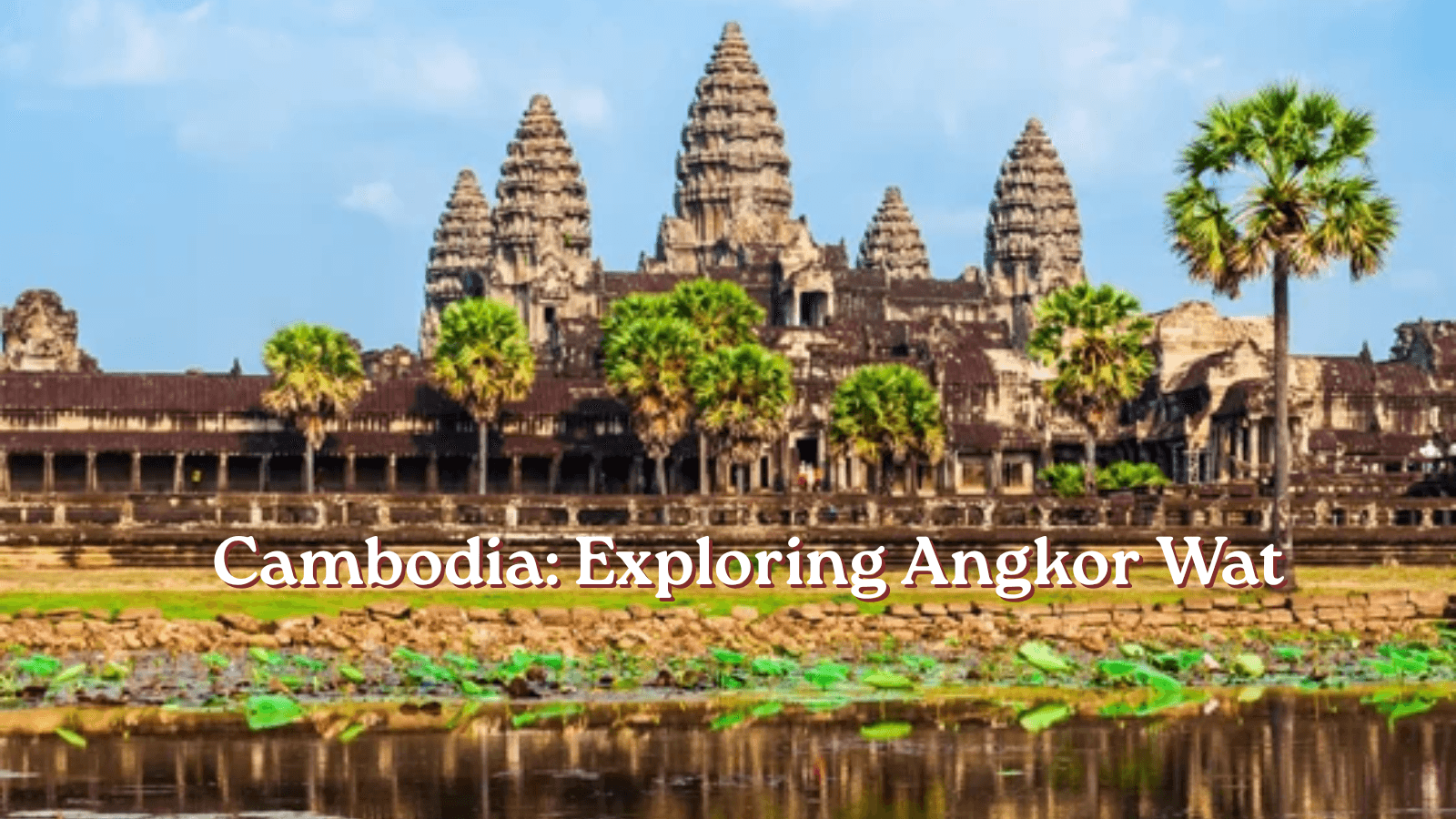
Angkor Wat: The Symbol of Cambodia
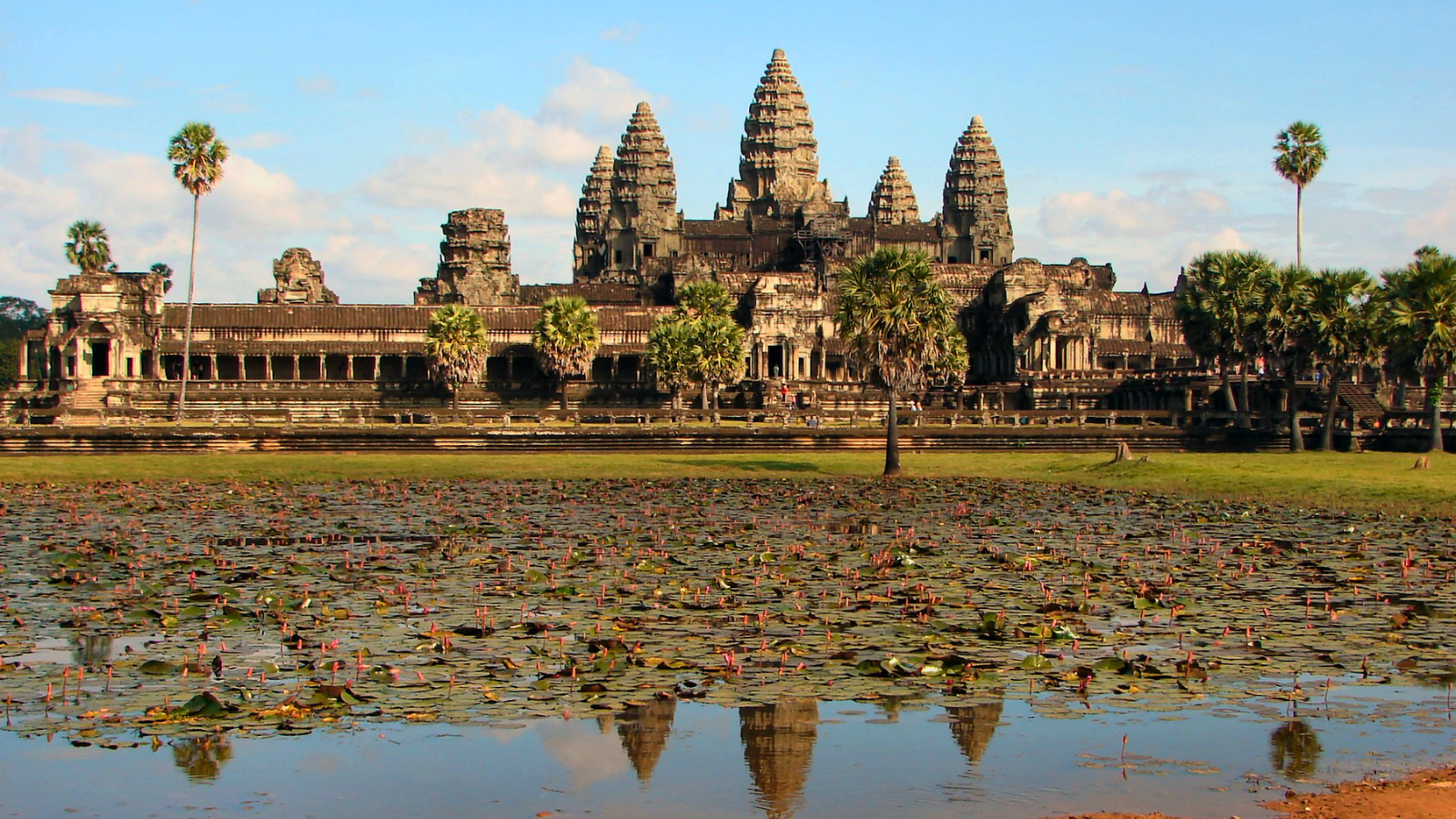
Your Angkor Wat tour will most likely begin with the monument that has become the symbol of Cambodia.
Angkor Wat was constructed during the reign of King Suryavarman II in the early 12th century. According to the APSARA National Authority, construction took place between approximately 1113 and 1150, and the temple covered about 200 hectares. It was originally dedicated to the Hindu god Vishnu and later became an important Buddhist pilgrimage site.
The scale of Angkor Wat is difficult to understand until you stand in front of it. The enormous entrance, long causeway, surrounding moat, towers, galleries, and detailed stone carvings create a powerful first impression.
The five central towers are designed around the concept of Mount Meru, the sacred mountain at the centre of Hindu and Buddhist cosmology. This temple-mountain concept is an important part of Khmer architectural tradition.
Inside the temple, take time to look closely at the bas-reliefs. They are not simply decorative designs. They represent stories, religious ideas, historical scenes, and elements of Khmer culture.
One of the best ways to appreciate Angkor Wat is to avoid rushing. Walk through the galleries, observe the carvings, look at the architectural details, and allow yourself time to understand the scale of the monument.
Sunrise at Angkor Wat is also one of the most popular experiences. Watching the first light appear behind the famous towers can be beautiful, although it is important to expect crowds and plan accordingly.
Ta Prohm: The Tomb Raider Temple
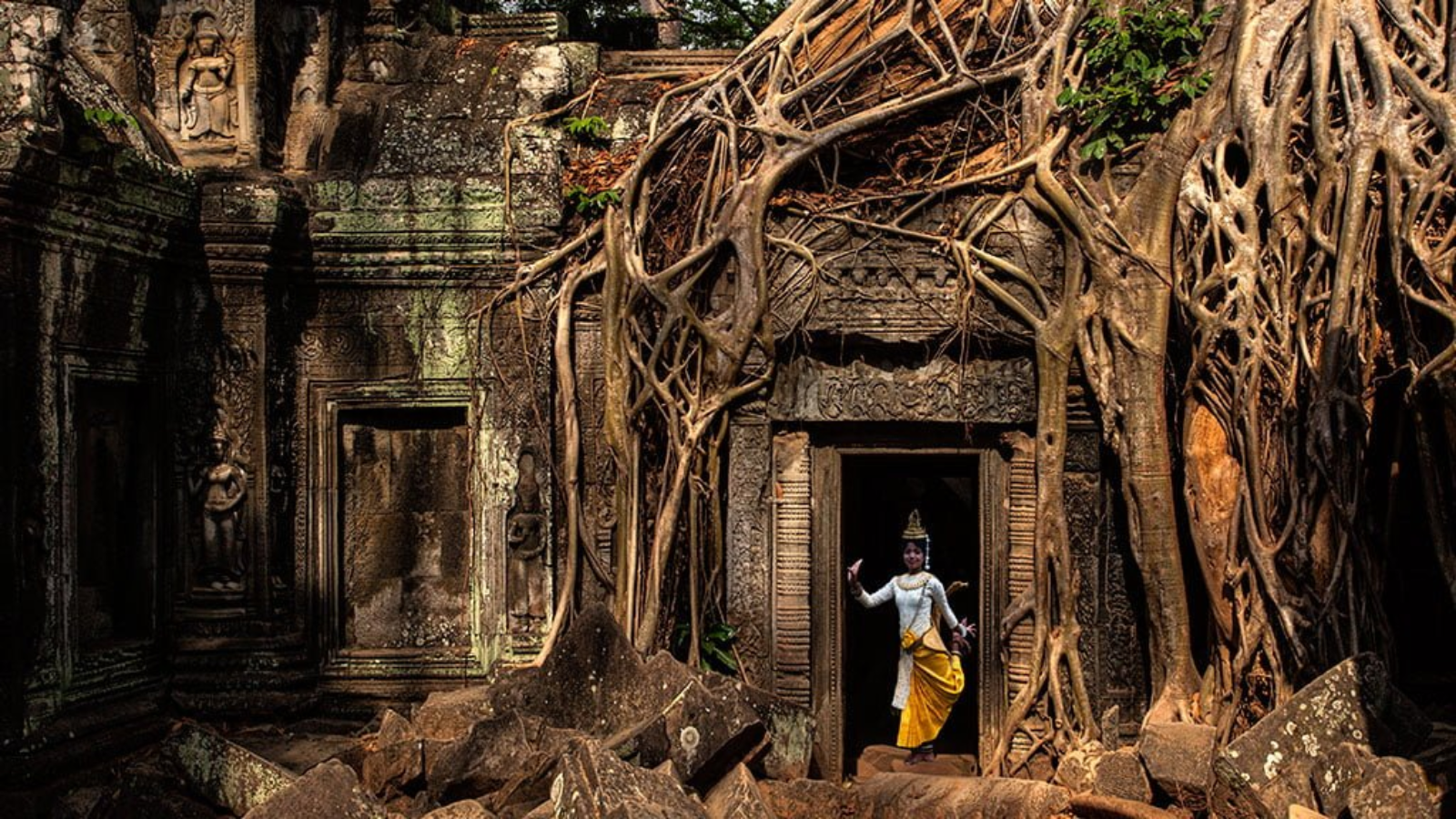
If Angkor Wat represents the grandeur of the Khmer Empire, Ta Prohm represents its mysterious and romantic side.
Ta Prohm is widely known as the Tomb Raider temple because Angelina Jolie's Lara Croft: Tomb Raider was filmed at the temple. The movie helped introduce Ta Prohm to a global audience, but the temple was already an extraordinary historical site long before it appeared on screen.
Ta Prohm was built during the reign of King Jayavarman VII and dedicated in 1186. Its original name was Rajavihara, meaning “royal monastery.” It was connected with Mahayana Buddhist traditions and dedicated to the king's mother, represented by the figure Prajnaparamita.
What makes Ta Prohm so different is the relationship between architecture and nature.
Huge tree roots grow across walls, doorways, and stone structures. The roots appear to hold some sections of the temple together while also showing the power of nature over time.
The APSARA National Authority notes that the temple was intentionally maintained in a condition that preserved much of its atmospheric appearance, although conservation and structural work have been necessary to protect the monument and visitors.
Walking through Ta Prohm feels very different from walking through Angkor Wat. Narrow passages, broken galleries, trees, shadows, and carved stone create an almost cinematic atmosphere.
This is why the temple has become one of the most photographed places in Cambodia.
However, remember that Ta Prohm is much more than a movie location. It is an important part of Khmer history, and taking time to understand its original purpose makes the visit much more meaningful.
Angkor Thom and the Faces of Bayon
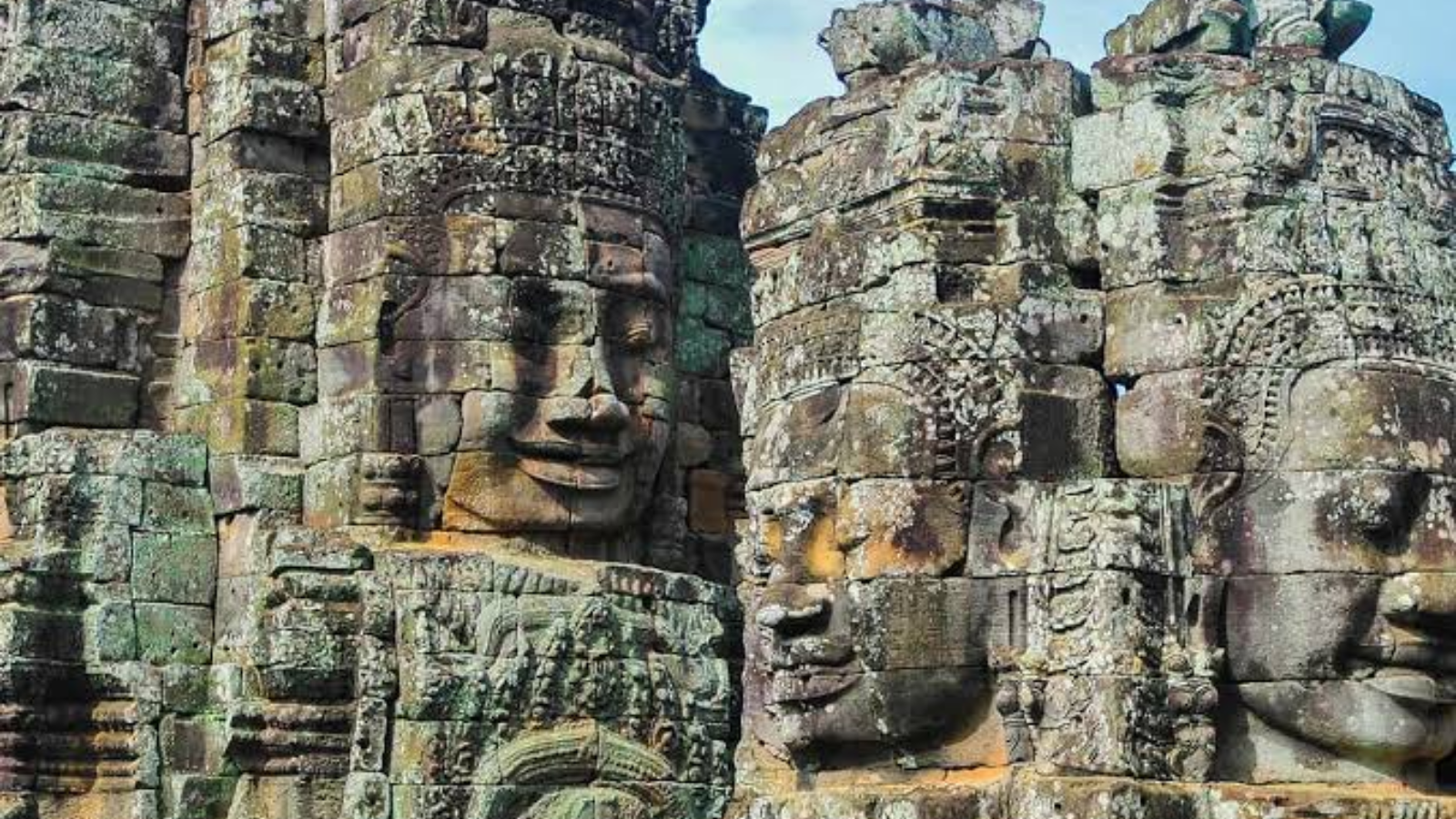
After exploring Ta Prohm, continue your journey into Angkor Thom, the great city associated with King Jayavarman VII.
Angkor Thom means “Great City.” The ancient city covers around 900 hectares and was an important capital of the Khmer Empire from the late 12th century. It is surrounded by walls and a wide moat, with monumental gates providing access to the city.
One of the most fascinating sights inside Angkor Thom is Bayon Temple.
Bayon is famous for its enormous carved stone faces. The peaceful expressions create an unforgettable sight as you move through the temple's towers and galleries.
But don't only look upward at the faces. Spend time examining the bas-reliefs around the temple. They provide glimpses into everyday Khmer life, battles, celebrations, religious traditions, and historical events.
The South Gate of Angkor Thom is another memorable stop. Large stone figures line the approach to the gate, creating a dramatic entrance into the ancient city.
Together, Angkor Thom and Bayon help show that Angkor was not simply a collection of temples. It was an enormous urban and cultural centre.
Banteay Srei: A Temple of Detailed Carvings
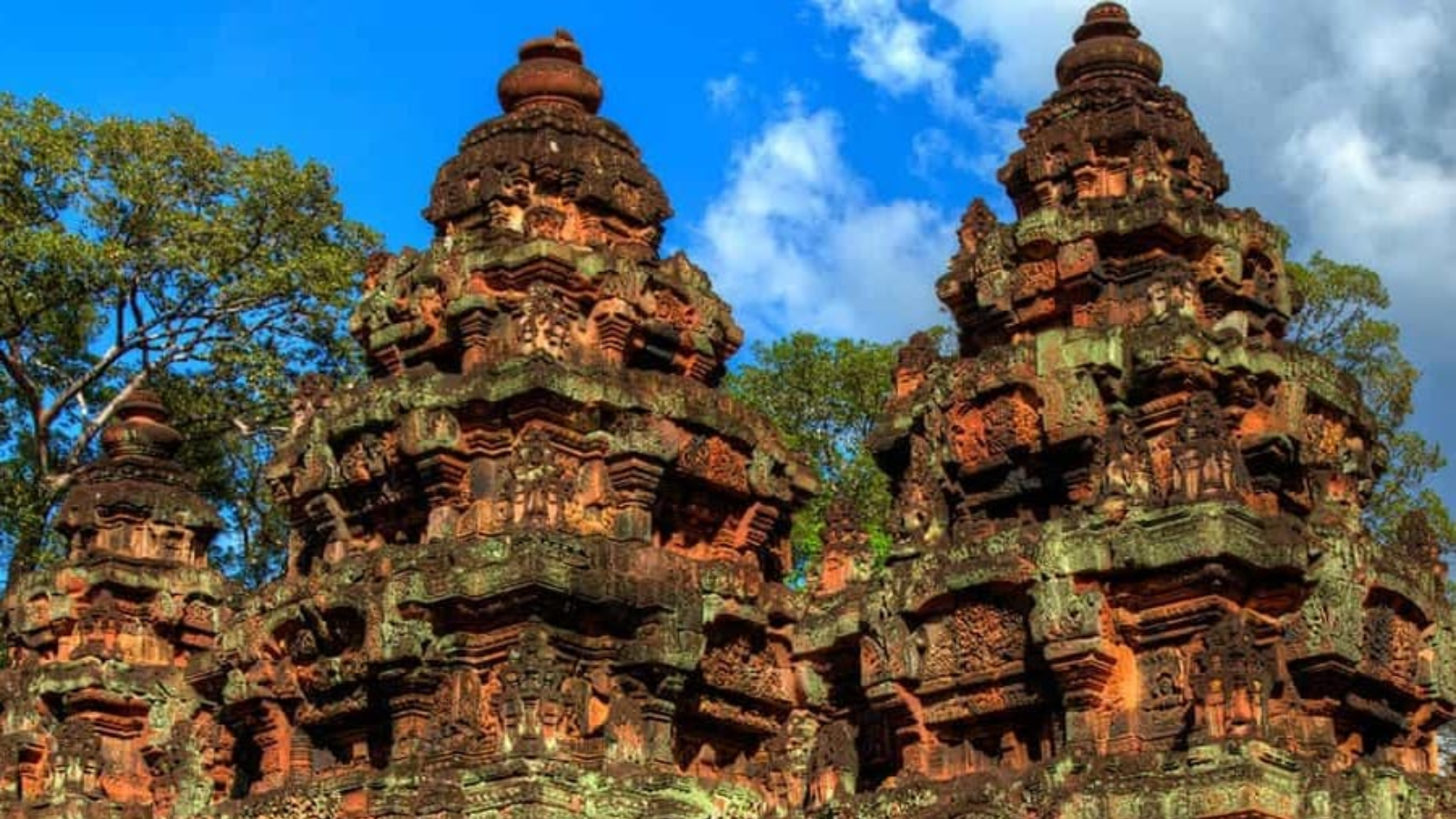
If you have additional time during your Siem Reap tour, Banteay Srei is worth considering.
Often described as one of the finest examples of Khmer decorative art, Banteay Srei is known for its detailed carvings and warm-coloured sandstone.
Compared with Angkor Wat, the temple is smaller. But its size is part of its charm. The intricate details on the walls and doorways can be easier to appreciate because the scale is more intimate.
A visit to Banteay Srei can be combined with other attractions outside the main Angkor circuit, making it a good option for travelers who want to explore beyond the most famous temples.
Other Angkor Temples Worth Exploring
One of the biggest advantages of spending several days in Siem Reap is that you do not have to stop after the major attractions.
Temples such as Preah Khan, Neak Pean, Ta Som, Pre Rup, Banteay Kdei, and others offer different architectural styles and experiences.
Preah Khan, for example, provides another opportunity to experience the architectural world of Jayavarman VII. Neak Pean has a distinctive setting associated with water and symbolism, while Ta Som is smaller and offers a quieter temple experience.
The official APSARA temple listings include a wide range of monuments across the Angkor area, showing just how extensive the archaeological landscape is.
This is why an Angkor Wat holiday should ideally include more than one day of temple exploration.
You don't need to visit every temple. Instead, a well-planned itinerary can combine famous landmarks with a few quieter sites.
Discovering Khmer Heritage Beyond the Temples
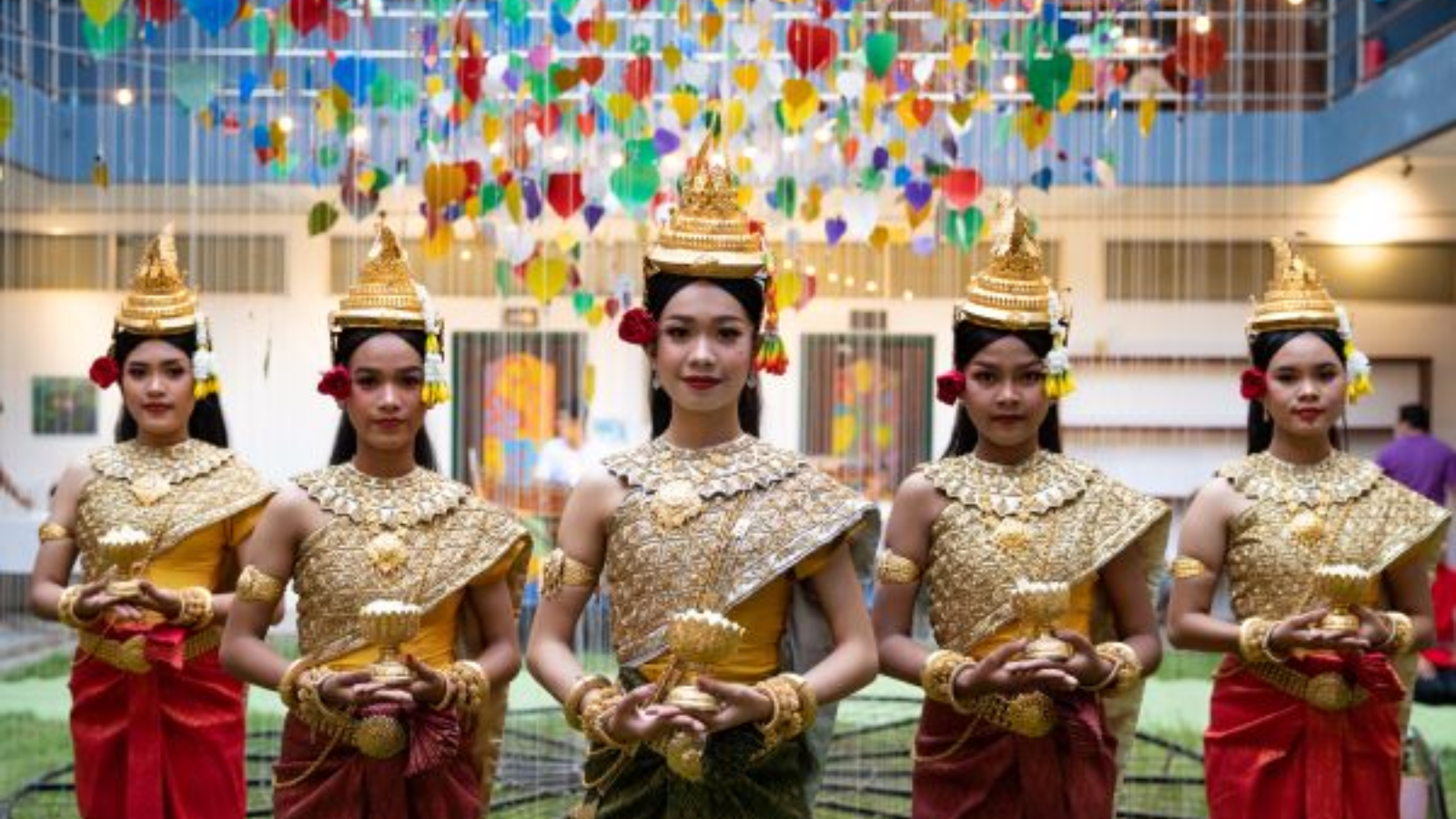
The ancient temples are only one part of the Siem Reap experience.
Cambodian culture has developed over centuries, and visitors can experience this heritage through food, crafts, music, dance, markets, and village life.
Traditional Khmer dance is particularly fascinating. Apsara dance, with its graceful movements and elaborate costumes, is closely associated with Cambodian cultural heritage.
You can also explore Cambodian handicrafts and traditional artistic techniques. TrawelMart currently features experiences involving Artisans d'Angkor, where travelers can learn about Cambodia's traditional craftsmanship and cultural revival.
These experiences provide an important balance to temple sightseeing.
After spending hours looking at ancient stone architecture, meeting local artisans or experiencing everyday Cambodian life can help you understand the country beyond its monuments.
Tonle Sap Lake and Floating Villages
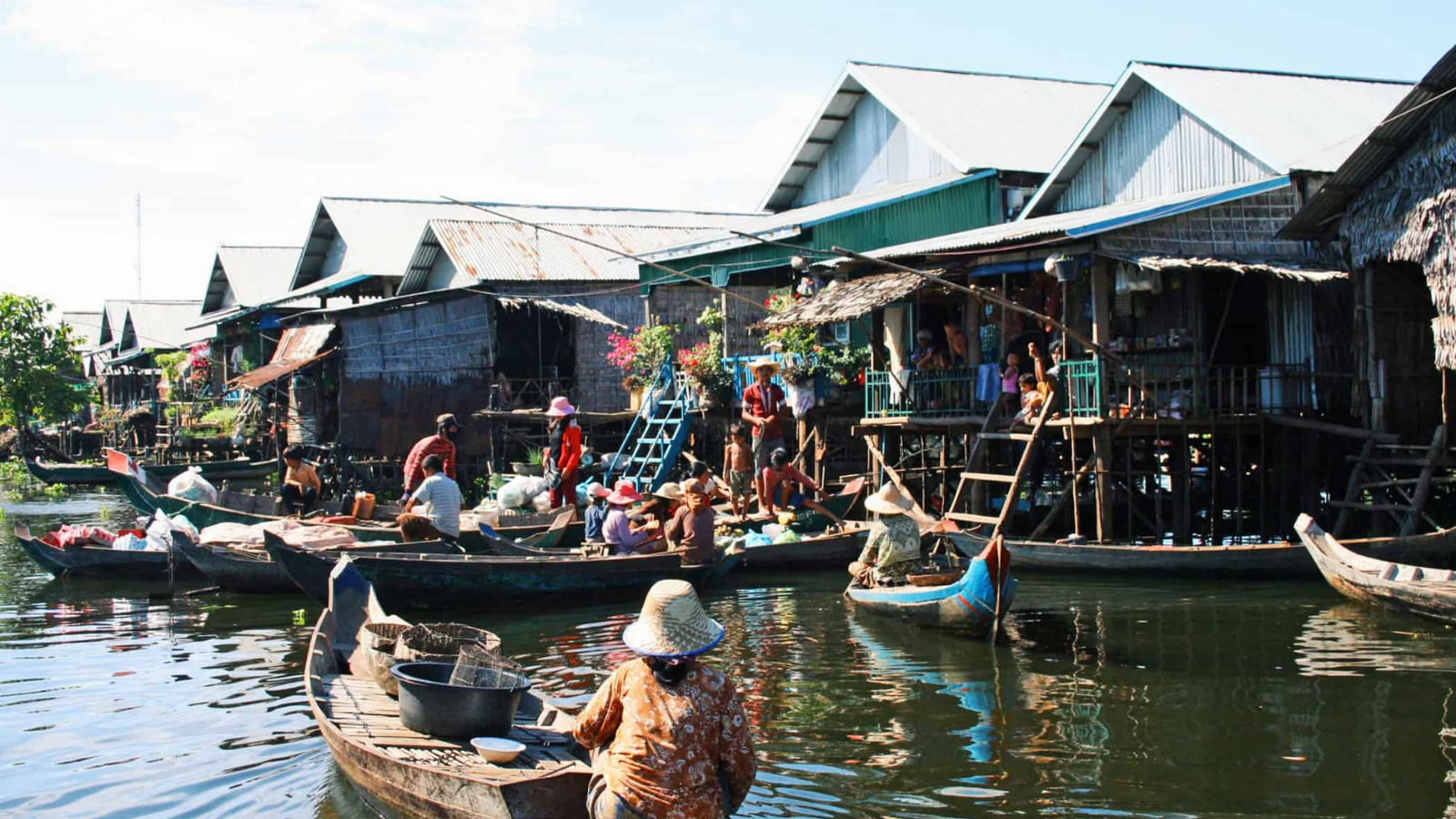
Another experience that can add variety to your Cambodia holiday is a visit to Tonle Sap Lake.
The lake plays an important role in Cambodian life and supports communities whose lifestyles are closely connected with the water.
Boat trips allow visitors to see floating communities, waterways, houses, and everyday activities from a different perspective.
TrawelMart's Siem Reap and Cambodia itineraries include Tonle Sap experiences alongside Angkor temples, giving travelers the opportunity to combine cultural sightseeing with a more relaxed scenic experience.
This is particularly useful for families and travelers who do not want every day of their trip to consist of walking around temples.
Siem Reap's Local Food
A trip to Cambodia would not be complete without trying Khmer food.
Siem Reap has everything from simple local restaurants and street food to more refined dining experiences.
Amok is one of the dishes many visitors want to try. It is commonly prepared with fish and a fragrant coconut-based curry. Lok lak, another popular Cambodian dish, is usually prepared with marinated meat served with vegetables and a dipping sauce.
Fresh tropical fruits are also widely available.
Food markets are a good place to experience the local atmosphere, while restaurants provide a more comfortable setting for travelers who want to enjoy Cambodian dishes at their own pace.
If you are traveling from India, choosing a package with suitable meal arrangements can make the trip more comfortable. TrawelMart highlights Indian-friendly meals in its Cambodia and Southeast Asia travel offerings, which can be useful for Indian families and groups.
Pub Street and Siem Reap After Dark
Siem Reap changes character after sunset.
Pub Street and the surrounding night-market areas become lively with restaurants, cafés, shops, street food, and entertainment.
After a long day exploring ancient temples, this is a good place to relax and enjoy the modern side of Siem Reap.
You can browse souvenirs, try local snacks, sit down for dinner, or simply walk through the busy streets.
The contrast is interesting. During the day, you may be standing among monuments that are hundreds of years old. At night, you are surrounded by modern restaurants, music, lights, and travelers from around the world.
How Many Days Do You Need in Siem Reap?
For a first visit, three to four days can provide a good introduction to Siem Reap.
A three-day itinerary can focus on Angkor Wat, Angkor Thom, Bayon, Ta Prohm, and several nearby temples, with some time for the city.
Four days allow you to slow down and add experiences such as Banteay Srei, Tonle Sap, local crafts, cultural performances, or additional temples.
TrawelMart currently offers Siem Reap packages ranging from shorter trips to longer Cambodia experiences. Its listed itineraries include four-day and five-day options, as well as a six-day Cambodia journey covering Phnom Penh and Siem Reap.
The right duration depends on your interests. History lovers may want more temple time, while families may prefer a balanced schedule with cultural and scenic activities.
Best Time to Visit Angkor Wat and Siem Reap
Cambodia has a tropical climate, so weather is an important part of planning your trip.
The cooler and generally drier months are popular for exploring Angkor. The early morning can be particularly pleasant because temperatures are more comfortable than during the middle of the day.
However, this is also a popular travel period, so famous temples can become busy.
If you travel during warmer or wetter months, you may experience fewer visitors in some places, but you should be prepared for heat, humidity, and sudden rain.
Whatever season you choose, early mornings are useful for temple sightseeing because the weather is usually more comfortable and the light can be beautiful for photography.
What to Wear at the Temples
Angkor is not simply an archaeological attraction. Many of its temples remain culturally and spiritually significant.
Dress respectfully when visiting temple sites. Clothing that covers the shoulders and knees is a sensible choice, especially when visiting religious areas.
Comfortable footwear is also important because you will spend a lot of time walking on uneven stone surfaces, paths, and steps.
A hat, sunglasses, sunscreen, and drinking water can also make your temple days more comfortable.
The goal is to enjoy the ancient sites without turning the experience into a tiring race from one monument to another.
A Suggested 4-Day Siem Reap Itinerary
A four-day Cambodia itinerary can provide a comfortable introduction to Siem Reap.
On the first day, arrive in Siem Reap, settle into your hotel, and spend some time exploring the city. Visit a local market, enjoy Khmer food, and relax after your journey.
On the second day, dedicate your time to the main Angkor circuit. Begin with Angkor Wat and continue toward Angkor Thom and Bayon. Explore the South Gate and other important structures inside the ancient city before visiting Ta Prohm. End the day by returning to Siem Reap for dinner.
On the third day, explore some of the less crowded temples and consider visiting Banteay Srei. You can also include cultural experiences such as Artisans d'Angkor or a traditional Cambodian performance.
On the fourth day, take a boat trip on Tonle Sap Lake or visit a local village before spending your final evening in Siem Reap.
This kind of itinerary gives you a mixture of history, culture, nature, food, and relaxation instead of making the entire holiday about temple sightseeing.
Why Choose TrawelMart for Your Cambodia Holiday?
Planning a Cambodia trip independently can be exciting, but arranging transportation, hotels, sightseeing, guides, and activities can also take time.
TrawelMart offers Cambodia and Siem Reap tour packages that bring these elements together into planned itineraries.
Its current Siem Reap collection includes packages covering Angkor Wat, Angkor Thom, Ta Prohm, Khmer village experiences, Tonle Sap Lake, and other cultural attractions. The company also offers Cambodia itineraries combined with Vietnam for travelers who want to explore more of Southeast Asia in one holiday.
For Indian travelers, TrawelMart also highlights guided experiences, hotel arrangements, Indian-friendly meals, visa assistance, and support throughout the journey on its Cambodia and Vietnam-Cambodia packages.
The advantage is simple: instead of spending your holiday worrying about every travel arrangement, you can focus on enjoying the temples, culture, food, and people of Cambodia.
Final Thoughts
Exploring Angkor Wat and Siem Reap is much more than visiting a famous temple.
It is a journey through the history of the Khmer Empire, from the monumental scale of Angkor Wat to the mysterious tree-covered corridors of Ta Prohm and the unforgettable stone faces of Bayon.
The story continues outside the temples through Cambodian food, traditional crafts, village life, cultural performances, local markets, and Tonle Sap Lake.
Ta Prohm may have become famous around the world as the Tomb Raider temple, but standing beneath its enormous trees gives you a chance to experience something much deeper than a movie location. You are looking at a monument that has survived centuries and remains an important part of Cambodia's cultural identity.
Angkor Wat itself is a national symbol, and Angkor has been recognized as a UNESCO World Heritage site since 1992. The site remains an important responsibility for conservation because of its extraordinary historical, architectural, and cultural value.
For travelers searching for a destination that combines ancient history, spectacular architecture, local culture, scenic experiences, and unforgettable photography, Siem Reap is an excellent choice.
With a thoughtfully planned Cambodia tour package, you can experience the highlights without rushing and discover why Angkor remains one of the world's great cultural destinations.
Plan your Cambodia holiday with TrawelMart and make your journey through Angkor Wat and Siem Reap a memorable exploration of ancient Khmer heritage.